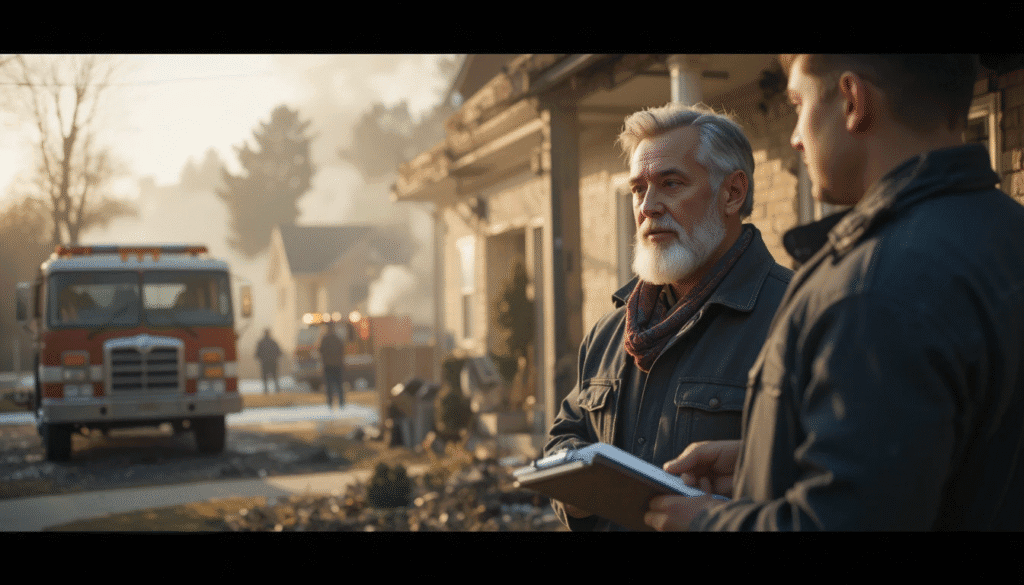
After a house fire, homeowners face emotional stress and financial uncertainty. One of the most crucial steps after the disaster is learning how to deal with an insurance adjuster effectively. An insurance adjuster’s job is to assess property damage and determine how much compensation you’ll receive under your home insurance policy. However, their evaluation may not always reflect the full extent of your fire damage or losses. Knowing your rights and understanding how the fire insurance claim process works can help you negotiate a fair settlement. In this guide, we’ll explain how to communicate, avoid mistakes, and ensure you get the maximum compensation for your home restoration.
Understanding Fire Insurance and Adjusters

A fire insurance policy protects policyholders against loss or damage caused by fire, smoke, or heat. Most homeowners insurance policies include house fire insurance coverage, which typically covers the cost of repairs, personal property replacement, and sometimes temporary housing. After a house fire, the insurance company (insurer) assigns an insurance adjuster to evaluate your property fire damage claim.
The adjuster’s job is to inspect property damage, determine the extent of the loss, and recommend how much compensation should be paid. However, it’s important to remember that the insurance adjuster represents the insurer, not you. Their goal is often to minimize payouts. That’s why knowing how to communicate and what to say during insurance claim inspections matters. By understanding fire insurance policy terms, you’ll stand stronger when negotiating your home fire insurance payout.
Immediate Steps to Take Right After a House Fire
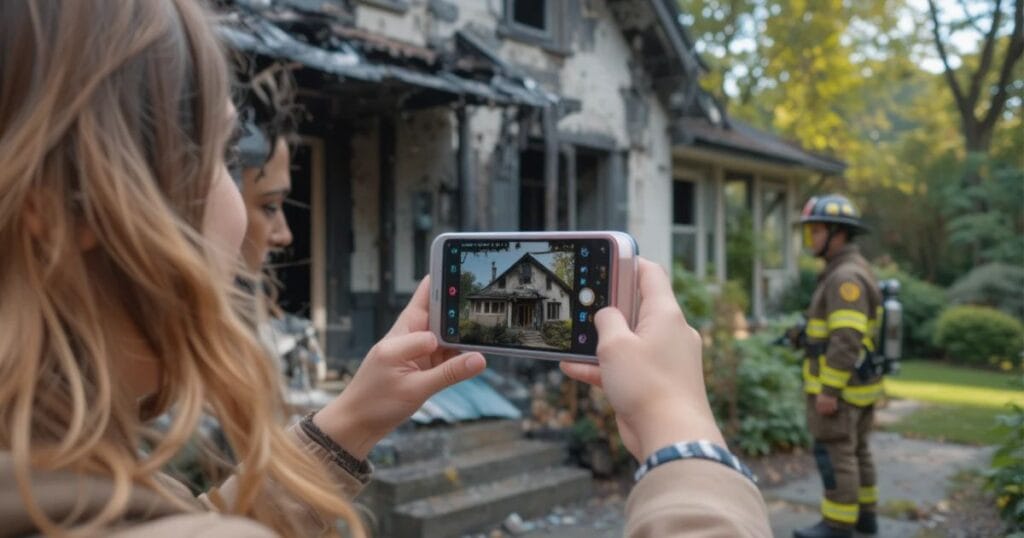
The moments after a fire can be chaotic. The first step is always safety—call the fire department / 911 emergency and ensure everyone is safe. Once it’s safe to return, photograph fire damage before touching or moving anything. These pictures are vital for insurance claim documentation and later claim investigations. Then, report a house fire to your insurance company (insurer) immediately to file an insurance claim.
Don’t start repairs yet; wait until an insurance claim inspection is complete. Meanwhile, prevent further damage by securing broken windows or leaking pipes. This demonstrates to your insurance adjuster that you’re taking responsibility and helps avoid insurance claim denial reasons like negligence or a policy lapse. Keeping records of all calls, receipts, and repair costs ensures your insurance claim for fire loss is fully supported.
you can also read our complete guide on how to deal with insurance adjusters 2025 for more details
How the Fire Insurance Claim Process Works how to deal
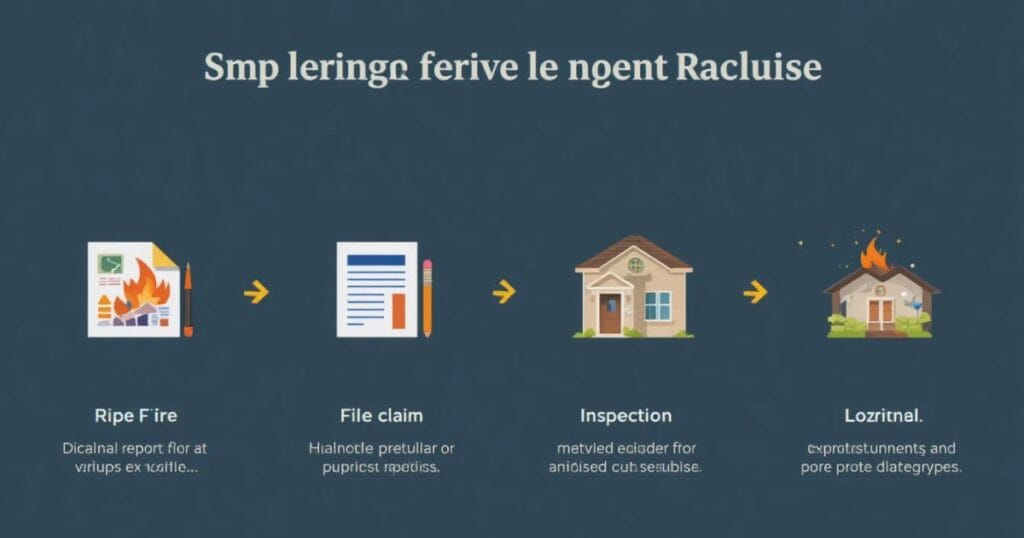
The fire insurance claim process begins when you file an insurance claim and the insurance adjuster is assigned. They’ll visit your home to inspect property damage, take photos, and gather evidence. Afterward, they’ll compare your losses with your homeowners insurance policy limits. Based on their findings, they’ll prepare a fire damage repair estimate that determines the home fire insurance payout.
This process also includes reviewing your insurance coverage limits and property damage liability coverage. If neighboring property damage occurred, your insurance company (insurer) might also evaluate fire damage to neighbor’s property under liability terms. Throughout this stage, documenting fire loss and submitting repair estimates promptly helps you avoid unfair settlement offers or unnecessary delays. Keeping communication professional, clear, and well-documented is essential for a smooth process.
How to Communicate With an Insurance Adjuster

When dealing with an insurance adjuster, remember: what you say can influence your insurance claim settlement advice. Start by being calm, honest, and factual. Don’t exaggerate or make assumptions about what caused the fire. Avoid emotional statements and stick to the facts. Always document interactions — note the date, time, and what was discussed. These notes may protect you in case of bad faith insurance practices or future disputes.
If the insurance adjuster asks you to provide a recorded statement, request to review your homeowners insurance policy first or consult a public adjuster or fire damage insurance claim lawyer. Never accept verbal promises. Always get written confirmation for every agreement. Knowing how to talk to an insurance adjuster helps you avoid misunderstandings and gives you control over your claim.
you can also read our complete guide on how to deal with insurance adjusters for more details
Mistakes to Avoid When Dealing With an Adjuster
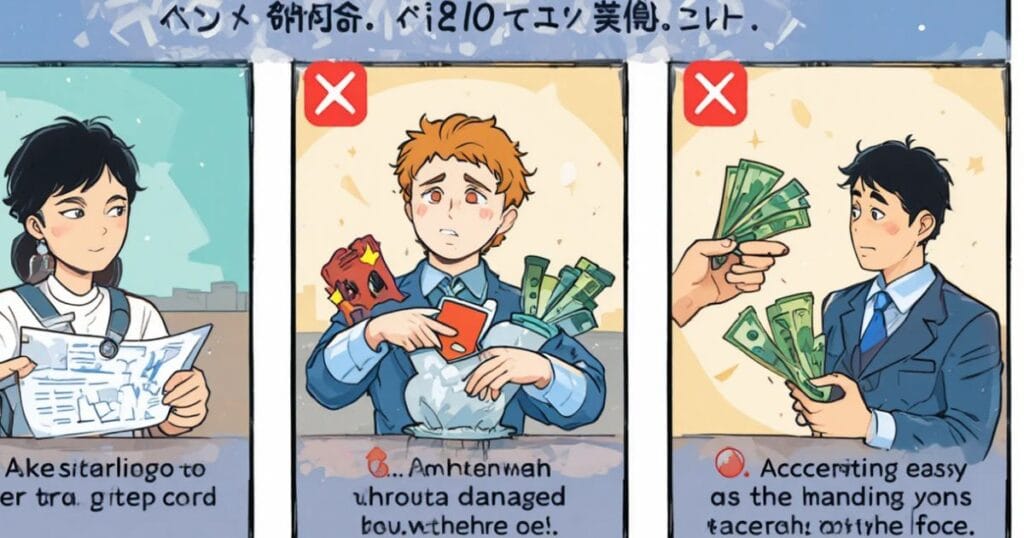
Many policyholders make costly mistakes during their homeowners insurance claim. One of the most common is accepting the first offer, which often turns out to be a lowball settlement offer. Never rush into signing any paperwork or settlement agreement before understanding all fire insurance policy terms and your compensation entitlement.
Another mistake is failing to keep records for insurance claim discussions. Every conversation, email, and estimate should be saved. Avoid giving inconsistent information; discrepancies may lead the insurer to deny a claim or accuse you of a fraudulent or exaggerated claim. Lastly, don’t start repairs or throw away damaged items too early. The insurance adjuster must verify all losses before approving payment.
How a Public Adjuster or Lawyer Can Help You

If you feel overwhelmed, a public adjuster or fire damage insurance claim lawyer can represent you instead of the insurance company (insurer). Unlike the company’s adjuster, a public adjuster for fire damage works directly for you, helping evaluate damage, gather documentation, and negotiate a settlement that reflects the true cost of repairs.
In complex or denied fire insurance claim cases, hiring a property insurance dispute lawyer or bad faith insurance attorney can be crucial. These professionals identify bad faith insurance practices, manage dispute denied claims, and fight unfair settlements in court if needed. Trusted law firms like Wallace Law (law firm) offer a free case consultation to policyholders struggling with insurance dispute attorneys or denied renters insurance claims lawyers.
Understanding Property Damage Liability and Coverage Types
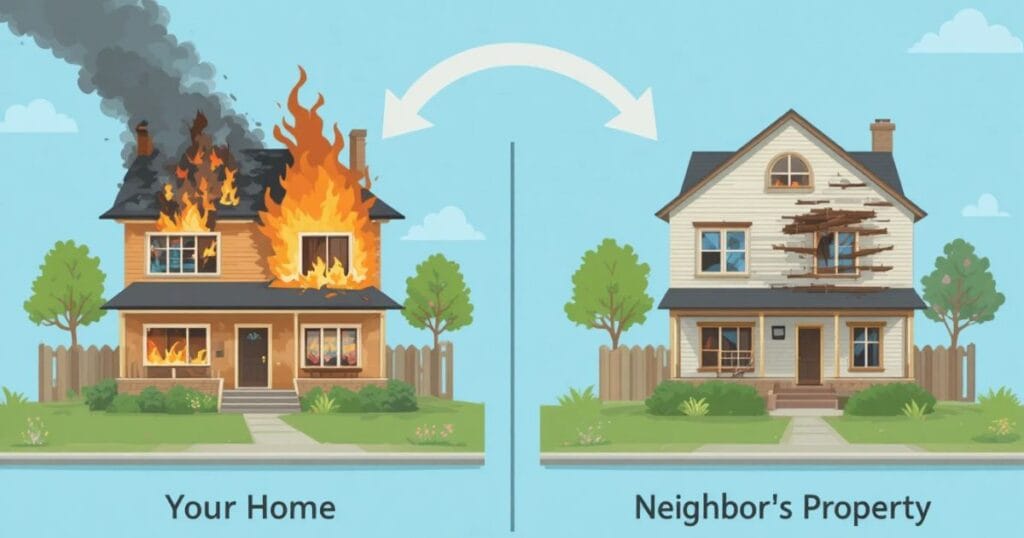
Property damage liability coverage protects you when your fire causes damage to someone else’s property. For example, if flames spread and caused fire damage to neighbor’s property, your liability insurance could cover repair or replacement costs. However, the specific payout depends on your homeowners insurance policy and insurance coverage limits.
Different insurance coverage for house fire policies include dwelling coverage (for your home structure), personal property coverage (for belongings), and additional living expenses (for temporary housing). Understanding your fire insurance policy terms before filing claims helps you know what’s covered and what isn’t. Always review your policy carefully to avoid surprises during your insurance claim inspection.
What to Do if Your Fire Claim Is Denied

A denied fire insurance claim doesn’t always mean the end of your journey. First, request a written explanation detailing the insurance claim denial reasons. Common causes include late reporting, policy lapse, or missing documents. Carefully review the insurer’s reasoning and compare it with your fire insurance policy terms.
If you believe your claim was unfairly denied, dispute denied claims by contacting a fire damage insurance claim lawyer or insurance dispute law firm. They can investigate bad faith insurance practices and ensure you receive fair fire damage compensation. Many firms like Wallace Law (law firm) specialize in helping homeowners and policyholders challenge unfair settlement offers through negotiation or litigation.
Real-Life Case Examples and Success Stories
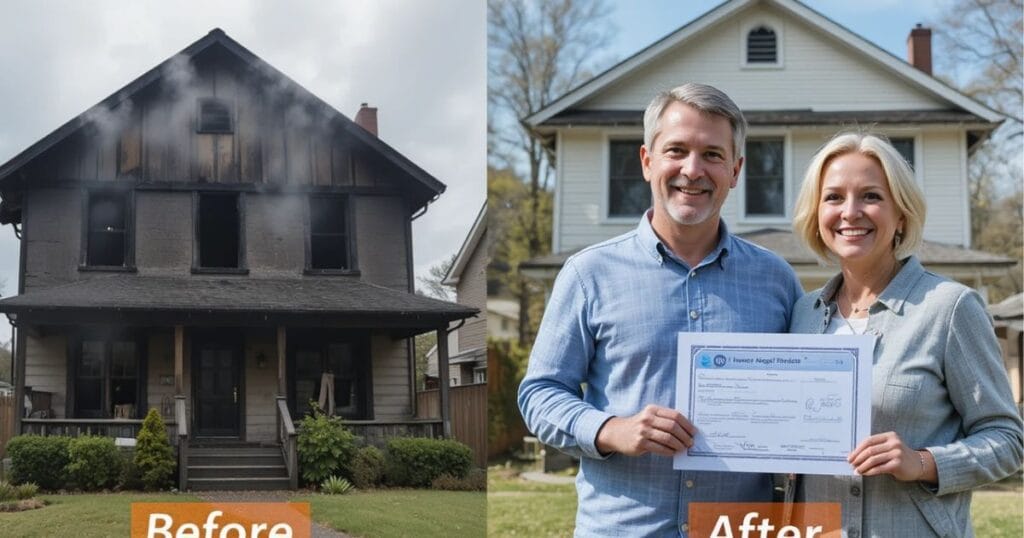
One notable case involved a homeowner in California whose property fire damage claim was undervalued by 40%. After hiring a public adjuster, the home fire insurance payout increased to the full value of the fire damage repair estimate. Another policyholder in Texas faced a denied fire insurance claim when the insurer blamed faulty wiring. Their bad faith insurance attorney presented evidence proving otherwise, forcing the insurer to approve a claim with full compensation.
These examples show how understanding your fire insurance claim process and using the right professional help can completely change the outcome. Successful claims often depend on documentation, persistence, and professional support from trusted experts who understand insurance coverage limits and claim investigation tactics.
Final Tips for Getting a Fair Settlement

Getting a fair settlement isn’t about luck — it’s about preparation. Always document interactions, submit repair estimates promptly, and maintain open communication with your insurance adjuster. Never hesitate to hire a lawyer / attorney or public adjuster if you suspect bad faith insurance practices. They can analyze your insurance claim documentation, manage negotiations, and hold your insurer accountable for every clause of your homeowners insurance policy.
Lastly, patience pays off. The insurance claim for fire loss process can take time, but rushing through can cost you thousands. By following these steps, knowing your rights, and staying informed, you’ll secure a settlement that reflects the real cost of recovery and rebuild your life faster after a devastating house fire.
Example Table: Average Fire Insurance Claim Payouts by Damage Type
| Damage Type | Average Payout (USD) | Common Issues Reported |
| Structural Damage (Home) | $50,000 – $120,000 | Delayed inspections, low initial estimates |
| Personal Property Loss | $10,000 – $40,000 | Underestimated item values |
| Temporary Living Expenses | $5,000 – $15,000 | Delayed reimbursements |
| Fire Damage to Neighbor’s Property | $7,000 – $30,000 | Liability coverage disputes |
| Complete Rebuild Cases | $150,000+ | Lengthy claim investigation and policy reviews |
Quote to Remember
“The way you handle your insurance adjuster determines the size of your settlement — not just the size of your loss.”
Final Thoughts
A house fire may destroy your property, but it shouldn’t destroy your future. When you know how to deal with an insurance adjuster after a house fire, you take control of your recovery. Stay organized, stay informed, and don’t let a lowball settlement offer stand in your way. With the right strategy and professional help from experts like Wallace Law (law firm), you can turn your insurance claim for fire loss into a success story that restores both your home and your peace of mind.
FAQS
Here are concise 1–2 line answers for each question 👇
1. How to get the most out of a fire claim?
Document all damages with photos, keep receipts for repairs, and provide detailed proof of loss to ensure you receive the full compensation you deserve.
2. What not to say when talking to an insurance adjuster?
Avoid admitting fault, speculating on causes, or saying the damage is “not that bad” — these statements can reduce your payout.
3. How to argue with a claims adjuster?
Stay calm, provide strong evidence, reference your policy terms, and request a reevaluation or hire a public adjuster if needed.
4. How do you settle a fire insurance claim?
Submit your claim, cooperate during inspection, review the settlement offer carefully, and negotiate if the amount doesn’t cover all losses.
5. How is the claim calculated in case of fire insurance?
Claims are usually based on the replacement cost or actual cash value of damaged property, minus depreciation and deductibles.
6. What are the rights of the insurer in fire insurance?
The insurer has the right to inspect the damaged property, verify claim details, and reject fraudulent or exaggerated claims.
7. How does insurance work with a fire?
When a fire damages your home, your fire insurance policy covers repair or rebuilding costs and sometimes temporary living expenses.

Muhammad Maaz, founder of InjuyCrashGuide.com — sharing simple, real-life accident and insurance guidance to help people stay informed and protected.