
Motorcycle riding gives freedom, speed, and independence, but it also places riders among the most vulnerable road users in the United States. When a crash occurs, the human body absorbs the full force of the impact. Because there is no protective metal frame, motorcycle crash injuries often affect the most delicate and essential parts of the body, especially the neck and back.
Neck and back injuries from motorcycle accidents are common because the spine is not designed to handle sudden impact force, violent braking force, or uncontrolled motion. Even low-speed crashes can cause serious harm. In high-speed collisions, riders may suffer catastrophic motorcycle injuries that permanently change their lives. These injuries affect not only physical health but also mental well-being, employment, and financial security.
This article explains how these injuries happen, why they are so dangerous, and what injured motorcyclists in the USA should know about medical treatment and legal rights.
What Is a Neck and Back Injury From a Motorcycle Accident?
A neck or back injury from a motorcycle accident refers to damage to the spine or surrounding structures caused by a crash. These injuries can involve spinal injuries, neck trauma, lower spine damage, or injury to muscles, ligaments, and nerves. The severity depends on the speed of the crash, angle of impact, and whether the rider was thrown from the motorcycle.
The spine is made of vertebrae, spinal discs, and the spinal cord, which carries signals between the brain and body. When a crash happens, this system may suffer spinal column damage that leads to pain, weakness, or paralysis. Injuries may appear immediately or develop slowly due to accident-related spinal stress.
Cervical Spine Injuries in Motorcycle Accidents
The neck area, also called the cervical spine, is highly flexible but extremely vulnerable. During a motorcycle collision, the head often snaps forward or backward due to bodily inertia. This motion creates whiplash-related trauma, which can stretch muscles and ligaments beyond safe limits.
Severe crashes can cause cervical spine injury, including fractured vertebrae, disc damage, or nerve compression. In extreme cases, damage to the spinal cord may result in paralysis after motorcycle accident, affecting both arms and legs.
Thoracic and Lumbar Spine Injuries Explained
The middle and lower back contain the thoracic spine and lumbar spine, which support body weight and movement. A motorcycle crash may cause lumbar spine injury, disc herniation, or fractures when the rider hits the road or another object.
Because the lower back absorbs shock, impact-related back trauma often leads to chronic pain. Injuries in the lumbar region frequently affect walking, bending, and lifting. These injuries may worsen over time without proper care.
Why Motorcycle Accidents Commonly Cause Neck and Back Injuries
Motorcycle accidents cause severe spinal damage because riders lack protection. In a vehicle collision injuries scenario, the body continues moving even after the bike stops. This creates sudden deceleration that stresses the spine.
Unlike car crashes where seat belts and airbags absorb energy, motorcycle crashes expose riders directly to motorcycle collision impact. Riders often experience rider ejection trauma, meaning they are thrown from the bike. This dramatically increases the risk of severe spinal damage.
Sudden Impact and Violent Motion
When a motorcycle stops suddenly, the rider’s body keeps moving due to inertia of motion. This creates a violent jerking motion that can tear muscles, strain ligaments, and damage discs. The spine bends in unnatural ways during this whip-like movement.
Even a rear-impact crash or side-impact collision at moderate speed can generate enough force to injure the neck and back. These forces often exceed what the human spine can safely tolerate.
Roadway Impact and Secondary Collisions
After initial contact, riders often strike the road, a vehicle, or another object. This secondary collision multiplies the damage. Striking an object such as a guardrail or car can compress the spine and cause fractures.
The roadway impact may also cause spinal disc damage, soft tissue injuries, and internal trauma. These layered injuries make recovery longer and more complex.
Most Common Types of Neck Injuries in Motorcycle Accidents
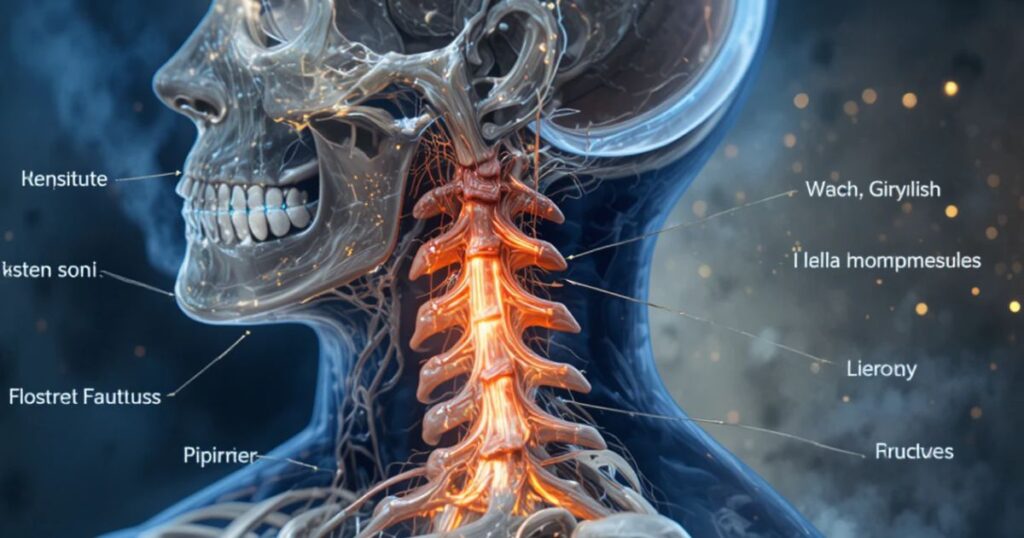
Neck injuries are frequent in motorcycle crashes because the head is heavy and unsupported. Neck trauma after bike accident can disrupt normal movement and nerve signals. Some injuries heal with treatment, while others lead to permanent disability.
Whiplash and Soft Tissue Damage
Whiplash occurs when the head snaps suddenly forward and backward. This motion overstretches muscles, tendons, and ligaments. Victims often feel stiffness, headaches, and reduced range of motion days after the crash.
Though often labeled “minor,” whiplash can cause chronic pain if untreated. It may also trigger muscle tension that affects posture and sleep.
Cervical Disc Injuries and Nerve Compression
A crash can cause disc herniation or slipped disc in the neck. When disc material presses on nerves, it causes pinched nerve symptoms like tingling, numbness, or weakness in the arms.
These injuries may require long-term pain management, physical therapy, or surgery. Ignoring early symptoms often leads to worse outcomes.
Most Common Types of Back Injuries After a Motorcycle Crash
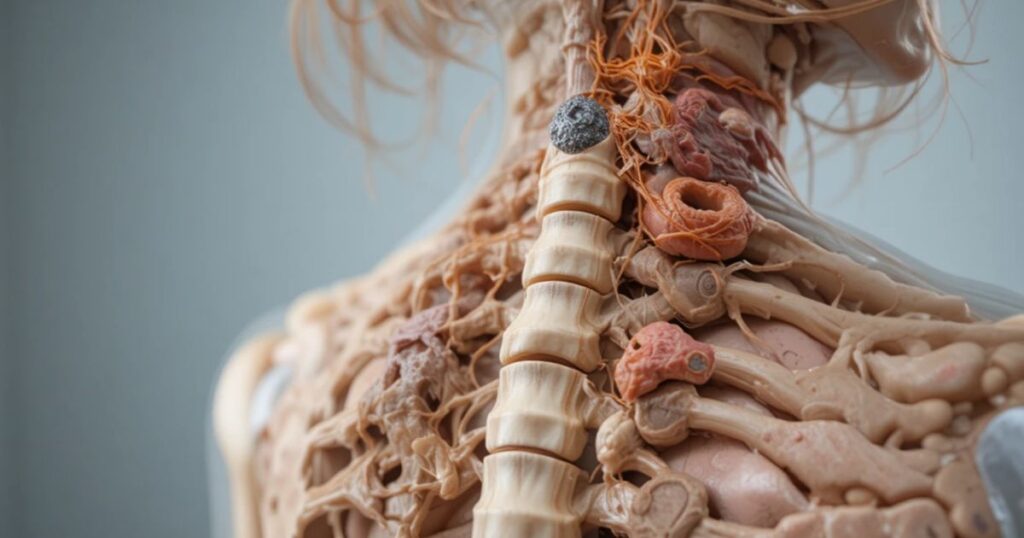
Back injuries affect the rider’s ability to work and perform daily tasks. Back trauma from motorcycle crash often involves the lower spine because it absorbs force during impact.
Lumbar Sprains and Ligament Damage
A lumbar sprain happens when muscles or ligaments stretch beyond their limit. Ligament damage and tendon stretching cause pain and instability in the lower back.
These injuries may not appear on imaging tests but can still cause long-lasting discomfort. Proper rehabilitation is essential to prevent re-injury.
Discogenic Pain and Spinal Instability
Discogenic pain develops when cartilage discs deteriorate or shift. This leads to pain that worsens with movement or sitting. Over time, spinal instability may develop, making the back vulnerable to further injury.
Victims often experience stiffness, limited mobility, and difficulty standing or walking for long periods.
How Serious Are Neck and Back Injuries From Motorcycle Accidents?
Neck and back injuries from motorcycle accidents are often far more serious than they first appear. Many injured motorcyclists walk away from the crash scene feeling shaken but stable. Days or weeks later, intense pain, stiffness, or nerve symptoms begin to surface. This delayed onset often hides severe spinal damage that worsens without early treatment.
The seriousness depends on factors such as speed, angle of impact, and whether the rider experienced rider ejection trauma. High-speed crashes commonly lead to catastrophic motorcycle injuries that affect the spinal column, nervous system, and even internal organs. These injuries can permanently disrupt normal brain signals to the body.
Life-Altering and Catastrophic Injury Risks
Some motorcycle crashes result in life-altering accident injuries that permanently change a person’s independence. Damage to the spinal cord may cause partial paralysis or permanent paralysis. In severe cases, riders suffer paraplegia or tetraplegia, limiting movement in the legs or entire body.
These injuries affect more than mobility. Many accident victims face loss of employment, emotional trauma, and long-term financial hardship. Recovery may take years, and some riders never return to their previous lifestyle.
Symptoms of Neck and Back Injuries You Should Never Ignore

Symptoms of spinal injuries do not always appear immediately. Many riders underestimate early warning signs and delay medical care. Ignoring these symptoms can lead to worsening nerve damage and long-term disability.
Common symptoms include stiffness, numbness, headaches, and shoulder pain. These signs often indicate underlying trauma to the neck or back that requires medical attention.
Physical Symptoms That Signal Serious Injury
Pain in the neck or back following a motorcycle crash may feel dull at first. Over time, it can develop into sharp or burning pain linked to nerve compression. Tingling in the arms or legs often suggests damage near the cervical spine or lumbar spine.
Other warning signs include loss of coordination, weakness, or pain that worsens with movement. These symptoms often indicate spinal disc damage or spinal instability.
Emotional and Neurological Symptoms
Motorcycle accident victims frequently experience emotional changes after spinal trauma. Post-traumatic stress disorder, anxiety, depression, and insomnia are common following violent crashes.
Neurological symptoms such as dizziness, confusion, or memory problems may signal a concussion or traumatic brain injury (TBI). These conditions often occur alongside neck injuries due to the violent motion of the head.
Delayed Symptoms After a Motorcycle Accident
Delayed symptoms are one of the most dangerous aspects of motorcycle crash injuries. Adrenaline masks pain at the scene, allowing riders to feel “fine” initially. As inflammation builds, symptoms emerge days or weeks later.
Delayed pain often involves disc herniation, muscle inflammation, or gradual spinal column damage. Without early treatment, these injuries may progress into chronic conditions.
Why Symptoms Appear Later
During a crash, bodily inertia forces the spine to absorb extreme stress. Microscopic tears in muscles and discs worsen over time, leading to swelling and nerve irritation.
Delayed symptoms often occur after high-impact motorcycle accidents, especially those involving secondary collision or roadway impact. This is why medical evaluation is critical even when injuries seem minor.
How Doctors Diagnose Neck and Back Injuries

Proper diagnosis is essential for recovery and legal protection. Doctors rely on a combination of physical exams, imaging, and patient history to identify medical diagnosis accurately.
Early diagnosis helps prevent worsening injury and provides critical medical documentation for insurance and legal claims.
Physical Exams and Medical History
Physicians begin by evaluating pain location, range of motion, and neurological responses. Muscle weakness, reflex changes, or numbness may signal spinal cord injury or nerve involvement.
Patient descriptions of pain onset, severity, and movement limitations help doctors determine the injury type and severity.
Imaging Tests and Advanced Scans
Imaging tests play a key role in diagnosing spinal injuries. X-rays identify fractures, while MRIs reveal spinal disc damage, bulging discs, and herniated discs.
CT scans provide detailed views of bone structures and help assess fractured vertebrae or broken ribs. These scans often uncover injuries not visible during physical exams.
Medical Treatment Options for Neck and Back Injuries
Treatment depends on injury severity, age, and overall health. Many injuries respond well to conservative care, while others require aggressive intervention.
Early treatment improves outcomes and reduces the risk of long-term injury consequences.
Conservative Treatment and Pain Management
Non-surgical treatment includes rest, medication, and pain management strategies. Anti-inflammatory medications reduce swelling and ease discomfort.
Physical therapy plays a vital role in recovery. Therapists use spinal manipulation, stretching, and strengthening exercises to promote movement restoration and flexibility.
Rehabilitation Therapy and Long-Term Care
For moderate to severe injuries, rehabilitation therapy focuses on restoring independence. Therapy improves posture, strength, and balance.
Long-term care may involve lifestyle adjustments and continued medical supervision to manage chronic pain and prevent future injury.
When Is Surgery Required for Motorcycle Neck or Back Injuries?
Surgery becomes necessary when conservative treatments fail or when the injury threatens neurological function. Severe disc herniation, fractures, or spinal cord compression often require surgical intervention.
Surgery aims to stabilize the spine, relieve nerve pressure, and prevent permanent damage.
Types of Surgical Procedures
Common procedures include spinal fusion, disc replacement, and decompression surgery. These operations reduce pressure on nerves and restore stability.
Recovery from surgery requires extensive rehabilitation and careful monitoring to avoid complications.
Recovery Time for Neck and Back Injuries After a Motorcycle Accident
Recovery after neck and back injuries from motorcycle accidents depends on injury severity, age, and how quickly treatment begins. Some injured motorcyclists recover within months, while others face years of rehabilitation. Minor soft tissue injuries may heal with rest and therapy, but spinal injuries involving discs or nerves often require extended care.
For moderate injuries, recovery may take six to twelve months. Severe cases involving spinal cord injury, fractures, or nerve compression often involve long-term recovery plans. Delayed treatment increases the risk of permanent damage and chronic pain.
Factors That Affect Recovery Speed
High-speed crashes, rider ejection, and catastrophic force slow recovery. Injuries involving the lumbar spine, cervical spine, or spinal column typically take longer to heal due to constant movement and stress.
Consistency in medical care, rehabilitation therapy, and lifestyle changes significantly improve outcomes for accident victims.
Can a Motorcycle Neck or Back Injury Be Permanent?
Yes, some motorcycle neck and back injuries are permanent. Severe trauma to the spine may result in permanent disability injuries that never fully heal. Injuries involving the spinal cord often lead to lifelong limitations.
Permanent injuries may include paralysis after motorcycle accident, loss of sensation, or inability to perform basic daily activities. These outcomes drastically affect independence and employment.
Permanent Paralysis and Nerve Damage
Damage to the spinal cord disrupts communication between the brain and body. This can result in partial paralysis or permanent paralysis. Victims may experience loss of bladder control, reduced strength, or chronic pain.
Permanent injuries often require adaptive equipment, long-term care, and emotional support.
How Neck and Back Injuries Affect Daily Life and Work

Neck and back injuries change daily routines. Tasks such as driving, working, sleeping, or lifting objects become difficult. Many accident victims experience reduced mobility and ongoing discomfort.
Work limitations are common, especially for jobs requiring physical labor. Even desk jobs may become challenging due to pain, stiffness, and concentration issues caused by chronic discomfort.
Emotional and Psychological Impact
Beyond physical pain, injured riders often face emotional trauma. Anxiety, depression, irritability, and personality changes are common after severe motorcycle crashes.
Mental health support is an important part of recovery, especially for victims facing long-term disability.
What To Do Immediately After a Motorcycle Accident Injury
Taking the right steps after a crash protects both health and legal rights. Immediate medical evaluation is critical, even if pain seems minor.
Medical records created early play a vital role in proving injury severity and accident-related causes.
Medical Care and Documentation
Seeking prompt care ensures injuries are diagnosed before worsening. Consistent follow-ups create essential medical documentation used in personal injury claims.
Failing to seek care gives insurance companies an opportunity to argue that injuries are unrelated to the crash.
How Negligence Causes Motorcycle Accidents
Many motorcycle crashes occur due to driver negligence. Distracted driving, speeding, unsafe lane changes, and failure to yield frequently lead to severe motorcycle collision impact.
Motorcyclists are often blamed unfairly, even when another driver caused the crash.
Common Negligent Behaviors
Negligence includes texting while driving, drunk driving, aggressive driving, and ignoring traffic signals. These actions put vulnerable road users at extreme risk.
Proving negligence is essential for obtaining compensation.
Proving Liability in a Motorcycle Neck and Back Injury Claim
Liability requires showing that another party’s negligence caused the accident and resulting injuries. Evidence may include police reports, medical records, witness statements, and accident reconstruction.
Clear proof of accident liability strengthens a personal injury claim.
Role of Medical and Expert Evidence
Doctors and medical experts link spinal injuries directly to the crash. Their testimony counters claims of pre-existing conditions and supports injury severity.
Compensation Available for Neck and Back Injuries
Injured motorcyclists may be entitled to compensation for medical bills, lost wages, pain and suffering, and long-term care. Compensation also covers future treatment and reduced earning capacity.
The value depends on injury severity and long-term impact.
Types of Damages in Injury Claims
Compensation may include past and future medical expenses, rehabilitation costs, lost income, and emotional distress. Severe injuries may qualify for catastrophic injury claims.
How Much Is a Motorcycle Neck and Back Injury Settlement Worth?
Settlement values vary widely. Minor injuries may result in modest settlements, while severe spinal injuries can reach six or seven figures.
Factors influencing settlement include permanency, medical costs, lost income, and quality of life impact.
Insurance Company Tactics
Insurance adjusters often offer low settlements early. They may argue injuries are minor or pre-existing. Accepting early offers often results in inadequate compensation.
Why You Should Contact a Motorcycle Accident Lawyer

Motorcycle injury claims are complex. Insurance companies aggressively defend these cases. An experienced motorcycle accident lawyer protects victims from unfair tactics.
Legal guidance ensures claims are properly valued and pursued.
Protecting Your Legal Rights
A lawyer handles negotiations, evidence, and court filings. This allows injured riders to focus on recovery rather than legal stress.
How an Experienced Motorcycle Accident Lawyer Can Help You
A skilled attorney builds strong claims, consults medical experts, and fights for fair compensation. Firms like the Todd J. Leonard Law Firm provide aggressive legal representation for serious injury cases.
They understand spinal injury legal cases and work on your behalf to secure justice.
Proven Advocacy for Accident Victims
Experienced personal injury attorneys understand how to counter insurance company tactics. With proven injury advocacy, they pursue trial or settlement outcomes that reflect the true impact of injuries.
FAQS
What is the most common injury in motorcycle accidents?
The most common motorcycle accident injuries are neck and back injuries, including whiplash, spinal injuries, fractures, and soft tissue damage due to high-impact crashes and rider ejection.
Why does my neck hurt after a motorcycle accident?
Neck pain after a motorcycle accident is often caused by whiplash, cervical spine injury, or muscle strain from sudden impact and violent head movement during the crash.
What are signs of a serious neck injury?
Severe neck pain, numbness, weakness in arms, headaches, loss of movement, or tingling sensations can signal a serious neck or spinal injury and require immediate medical care.
What are the 5 signs of a spinal injury?
Common spinal injury signs include intense back or neck pain, numbness or tingling, weakness in limbs, loss of coordination, and difficulty controlling bladder or bowel function.
What is Shermer’s neck?
Shermer’s neck, also known as dropped head syndrome, is a condition where weakened neck muscles make it difficult to hold the head upright, sometimes caused by trauma or nerve damage.
Does whiplash show on MRI?
Whiplash injuries usually involve soft tissues, so they may not appear on MRI scans, but MRIs can help detect disc damage, ligament tears, or nerve involvement linked to neck pain.
Final Thoughts
Neck and back injuries from motorcycle accidents are serious, complex, and often life-changing. Understanding medical risks and legal rights empowers injured riders to make informed decisions. With proper medical care and strong legal representation, accident victims can pursue recovery, stability, and fair compensation.
Disclaimer
This informational blog is written by Muhammad Maaz for general educational purposes only. It does not provide medical, legal, or professional advice. Motorcycle accident injuries, including neck and back injuries, vary widely based on individual circumstances. Always consult a qualified medical professional for diagnosis and treatment, and a licensed attorney for legal guidance related to your specific situation. Reliance on any information provided in this blog is solely at your own risk.
Common Hand and Wrist Injuries from Motorcycle Accidents

Common hand and wrist injuries from motorcycle accidents are among the most frequently treated injuries in emergency rooms across the United States. When a motorcycle crash occurs, riders are often thrown from the bike, and the hands and wrists absorb the initial impact as the rider instinctively tries to brace the fall. This natural reaction…
Neck and Back Injuries From Motorcycle Accidents: Causes, Symptoms, Treatment & Legal Rights
Motorcycle riding gives freedom, speed, and independence, but it also places riders among the most vulnerable road users in the United States. When a crash occurs, the human body absorbs the full force of the impact. Because there is no protective metal frame, motorcycle crash injuries often affect the most delicate and essential parts of…
Shoulder Injury From Motorcycle Accident: Types, Treatment, Recovery & Legal Options
A shoulder injury from motorcycle accident incidents can change everything in a split second. Motorcycles offer speed and freedom, but they provide almost no protection when a crash happens. In the United States, ER doctors treating motorcycle injuries frequently see riders brought in with severe shoulder damage. The shoulder often takes the first and hardest…



Muhammad Maaz, founder of InjuyCrashGuide.com — sharing simple, real-life accident and insurance guidance to help people stay informed and protected.