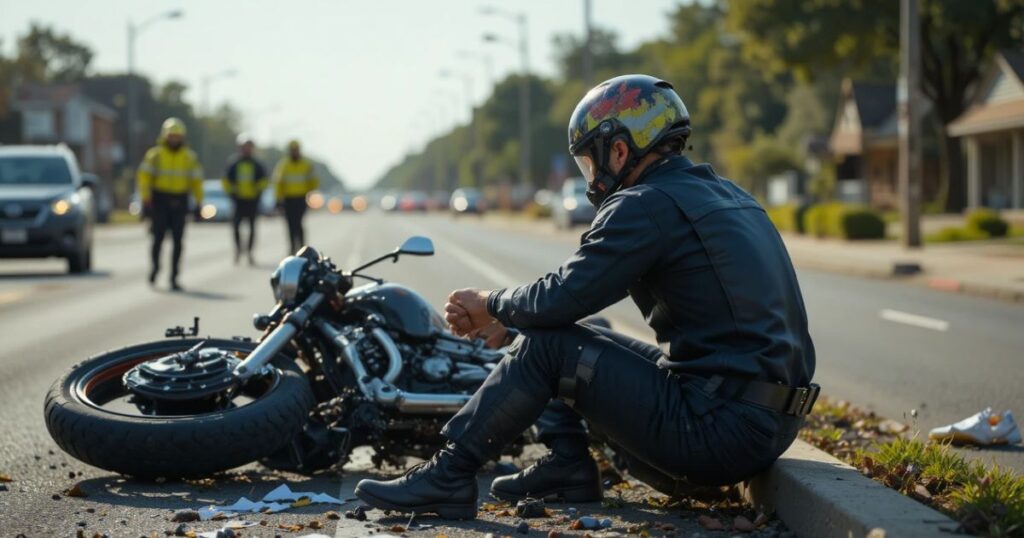
Common hand and wrist injuries from motorcycle accidents are among the most frequently treated injuries in emergency rooms across the United States. When a motorcycle crash occurs, riders are often thrown from the bike, and the hands and wrists absorb the initial impact as the rider instinctively tries to brace the fall. This natural reaction makes the upper extremities extremely vulnerable to fractures, dislocations, soft tissue damage, and severe skin injuries.
Unlike car occupants, motorcyclists lack external protection, leaving their hands, wrists, and fingers exposed to direct contact with the road surface, other vehicles, or fixed objects. Even a low-speed motorcycle accident can result in serious wrist injuries, while high-speed crashes often cause permanent hand damage, nerve injuries, or amputations.
Understanding the types of hand and wrist injuries caused by motorcycle accidents, their symptoms, and treatment options is crucial for injured riders, medical professionals, and personal injury attorneys handling motorcycle accident claims in the U.S.
Why Hand and Wrist Injuries Are Common in Motorcycle Accidents
Hand and wrist injuries in motorcycle accidents are common due to the biomechanics of a crash and the rider’s instinctive response. When a motorcycle suddenly stops or skids, the rider is often ejected forward or sideways. The body reacts by extending the arms, placing extreme force on the wrist joints, hand bones, and finger ligaments.
Several factors increase the risk of motorcycle hand injuries and wrist trauma:
Lack of a protective enclosure
Direct exposure to pavement and vehicles
High-speed impact forces
Sliding accidents that cause road rash on hands and wrists
Crush injuries when the motorcycle lands on the rider’s hands
In the United States, medical studies show that upper extremity injuries account for a large percentage of motorcycle accident trauma cases, with wrist fractures and hand fractures ranking among the most common diagnoses.
Lack of Structural Protection
Unlike cars, motorcycles offer no frame, airbags, or seat belts to protect the rider. This lack of protection means the hands and wrists are often the first point of contact during a crash. The sudden transfer of force can easily exceed the strength of small hand bones, resulting in broken wrists, dislocated fingers, and torn ligaments.
Instinctive Bracing During a Crash
The human body is hardwired to protect the head and torso. When a rider senses an impending crash, the arms instinctively extend to absorb impact. This reflexive movement places enormous stress on the carpal bones, metacarpals, and wrist ligaments, making injuries almost unavoidable.
Road Surface and Sliding Injuries
Many motorcycle accidents involve sliding across asphalt. During these slides, unprotected hands suffer abrasions, lacerations, and deep road rash injuries. Even riders wearing gloves can experience skin loss, burns, and nerve damage due to friction and heat.
How Motorcycle Accidents Impact the Hands and Wrists
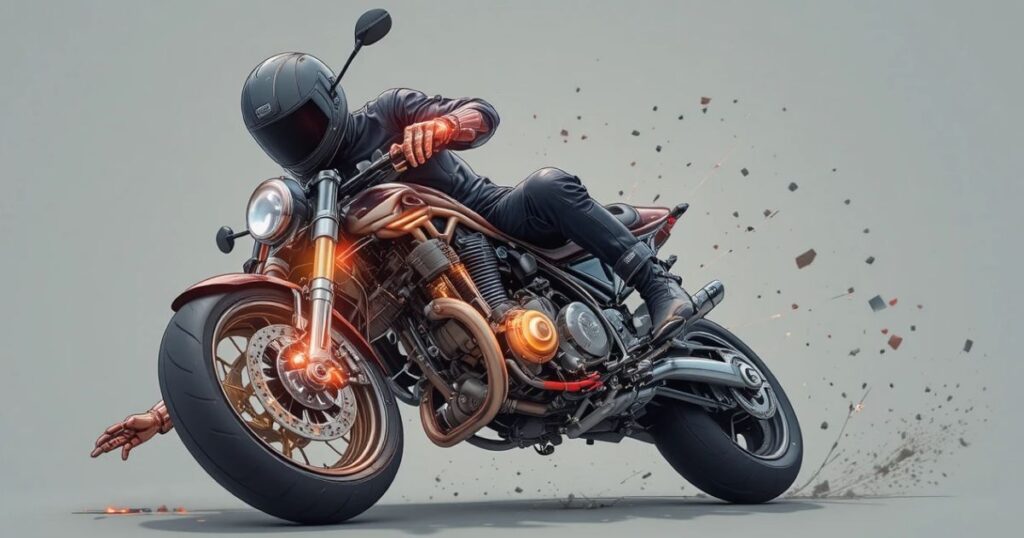
The way a motorcycle accident impacts the hands and wrists depends on the type of crash, speed, and point of contact. Front-end collisions often result in wrist hyperextension, while side-impact crashes can cause hand crush injuries or finger dislocations.
Common mechanisms of injury include:
Direct impact with the road
Compression between the motorcycle and another object
Twisting forces during falls
High-energy trauma transmitted through the arms
These forces can damage bones, tendons, ligaments, nerves, and blood vessels, leading to both immediate and long-term complications.
Axial Load Injuries
When a rider lands on an outstretched hand, an axial load injury occurs. This type of force travels through the wrist joint and forearm, commonly resulting in distal radius fractures, scaphoid fractures, and wrist dislocations.
Twisting and Rotational Forces
During a motorcycle crash, the hand may twist unnaturally as it contacts the ground. These rotational forces frequently cause ligament tears, tendon injuries, and joint instability, especially in the wrist and fingers.
Crush Injuries from Motorcycle Weight
In some accidents, the motorcycle lands on the rider’s hand or wrist. These crush injuries can cause multiple fractures, soft tissue destruction, and compartment syndrome, a serious condition requiring emergency treatment.
Wrist Dislocations in Motorcycle Crashes
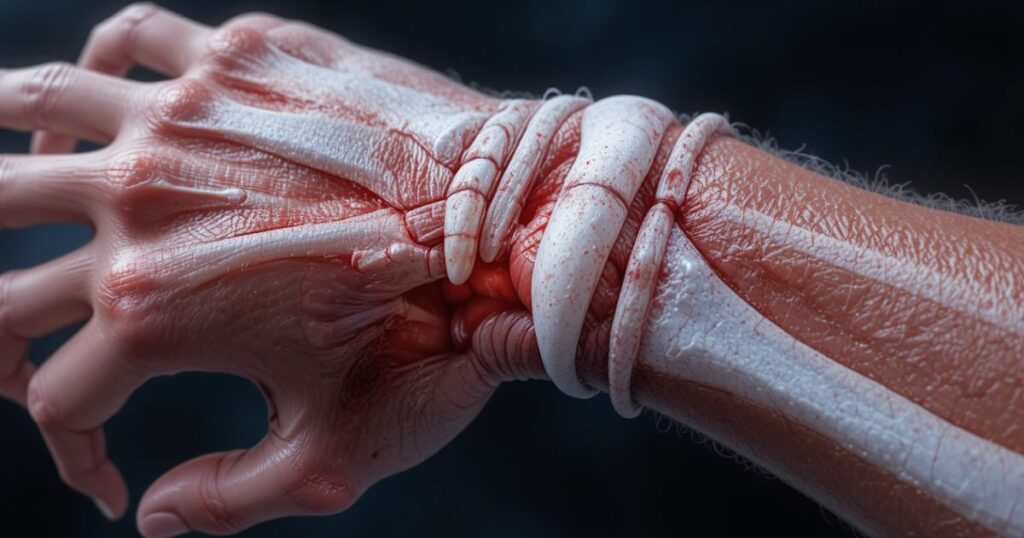
Wrist dislocation is one of the most painful injuries from motorcycle accidents. It happens when the wrist joint is forced out of its normal position during a crash. In many cases, riders land hard while breaking a fall with hands, placing extreme pressure on the wrist joint. This sudden force disrupts joint stability and damages surrounding tissue.
In a motorcycle collision, wrist dislocations often occur alongside wrist fractures or ligament injuries. Swelling appears quickly. Severe pain follows. Many riders experience loss of hand function, making it difficult to grip objects or move the wrist. Without fast treatment, this injury can cause chronic pain and reduced mobility.
Symptoms of a Wrist Dislocation
A dislocated wrist causes immediate and intense discomfort. The wrist may look visibly deformed. Swelling and bruising spread rapidly. Many motorcycle accident patients report numbness or tingling in the fingers due to nerve pressure. In severe cases, circulation is affected, which becomes a medical emergency.
Treatment and Recovery for Wrist Dislocations
Doctors usually perform imaging tests to confirm the injury. Treatment often includes immobilization with casts or splints. Some cases require surgical intervention to restore alignment. Recovery may take weeks to months, especially when damage to tendons and ligaments is present. Physical therapy plays a key role to restore range of motion and strength.
Finger and Hand Dislocations After a Motorcycle Accident
Finger dislocation and hand joint dislocations are extremely common motorcycle crash injuries. During a fall, fingers can bend backward or sideways beyond their natural range. This causes the joint surfaces to separate, leading to instant pain and swelling.
Many riders injured in a motorbike accident ignore finger injuries at first. That delay can worsen outcomes. Untreated dislocations may lead to stiffness, reduced mobility, and long-term weakness. Everyday activities like typing or gripping become difficult, causing difficulty performing daily tasks.
Why Finger Dislocations Are Often Missed
Finger injuries may seem minor compared to other motorcycle accident injuries. However, swelling and pain increase rapidly. Without proper care, swelling and loss of function become permanent issues. Early diagnosis helps avoid long-term damage.
Long-Term Impact of Finger Dislocations
When finger joints heal improperly, joint instability may remain. Many riders experience chronic pain, especially in cold weather. Some develop arthritis earlier than expected. Timely treatment helps preserve quality of life after an accident.
Wrist Fractures Caused by Motorcycle Accidents
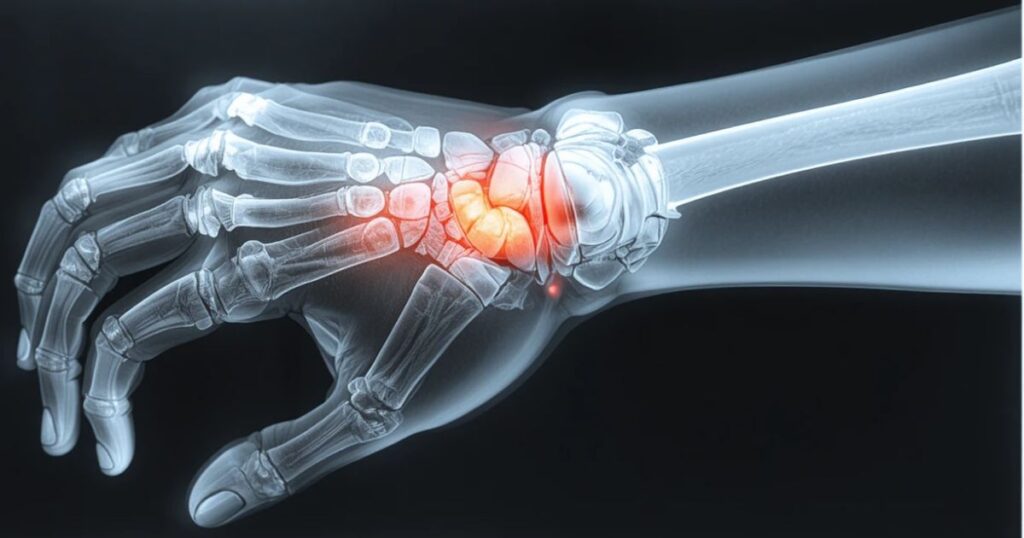
Wrist fractures are among the most common motorcycle accident injuries treated in U.S. trauma centers. The most frequent type is a distal radius fracture, which occurs when riders land on an outstretched hand. Another serious injury is a scaphoid bone injury, which often goes unnoticed at first.
These fractures happen due to high-impact trauma during a crash motorcycle incident. Even low-speed accidents can fracture wrist bones because of the body’s forward momentum.
Signs of a Wrist Fracture
Severe pain and swelling appear quickly. Movement becomes difficult. Many riders feel a deep ache that worsens with motion. Bruising spreads across the wrist and forearm. If left untreated, long-term disability may develop.
Healing and Complications of Wrist Fractures
Treatment often includes immobilization with casts for several weeks. Complex fractures may require surgical intervention with plates or screws. Healing takes time. Some riders face a long recovery period with lingering stiffness and weakness.
Hand and Finger Fractures in Bike Accidents
Hand fractures and finger fractures occur frequently in bike accident injuries. The bones in the hand and fingers are small and fragile. When a rider’s hand strikes the pavement or another vehicle, these bones fracture easily.
In severe crashes, multiple bones break at once. This makes recovery harder. Many riders suffer motorcycle crash injury patterns involving both hands.
Common Types of Hand Fractures
Metacarpal fractures are common. Finger bones also break easily. These injuries cause swelling, deformity, and sharp pain. Grip strength drops immediately, leading to loss of hand function.
Functional Impact of Hand Fractures
Even after healing, stiffness may remain. Fine motor skills suffer. Many riders struggle with writing, lifting, or working. Proper rehabilitation helps prevent long-term disability and restores function.
Tendon Injuries in the Hand and Wrist
Tendon injuries are serious injuries from motorcycle accidents that often go unnoticed at first. Tendons connect muscles to bones and allow smooth hand movement. During a motorcycle crash injury, these tissues stretch or tear due to high-impact trauma. When riders instinctively extend their arms, tendons absorb extreme force.
A rider injured in a motorcycle accident may feel weakness instead of sharp pain. Fingers may not bend or straighten properly. Over time, swelling and loss of function become more obvious. Without treatment, scar tissue forms and limits movement permanently.
How Tendon Damage Affects Daily Life
Torn tendons make gripping difficult. Buttons feel impossible. Lifting light objects hurts. Many riders experience difficulty performing daily tasks for months. In severe cases, surgical intervention becomes necessary to reconnect torn tissue.
Recovery After Tendon Injuries
Recovery requires patience. Doctors often recommend rest, splinting, and physical therapy. Therapy helps restore range of motion and strength. Healing may take months. Skipping rehab increases the risk of long-term disability.
Ligament Damage from Motorcycle Crashes
Ligament injuries occur when joints bend beyond normal limits during a motorbike accident. Ligaments keep joints stable. When damaged, joint stability disappears. This injury commonly affects wrists and fingers during a motorcycle fall.
Many motorcycle accident patients report clicking or grinding sensations after healing. Pain returns with movement. Without proper care, instability causes chronic pain and early arthritis.
Why Ligament Injuries Heal Slowly
Ligaments receive limited blood flow. Healing takes time. Even mild tears cause lasting discomfort. Reduced mobility often remains if rehabilitation is ignored.
Managing Long-Term Ligament Damage
Treatment includes bracing and controlled movement. Severe cases require surgical intervention. Rehab focuses on strength and stability. Early care helps improve recovery outcomes and protects future hand use.
Severe Hand Injuries and Amputations
Hand and finger amputations represent the most devastating motorcycle accident injuries. These occur when hands become trapped under a bike or crushed during a high speed motorbike crash. Such life-altering injuries change everything.
Victims require extensive medical treatment immediately. Surgeons work to save remaining tissue. Emotional recovery is just as challenging as physical healing.
Life After an Amputation
Amputation affects work, hobbies, and mental health. Prosthetics help restore function. However, extensive rehabilitation required for adaptation. Support systems play a crucial role in recovery.
Long-Term Outlook for Amputation Victims
With therapy and support, many regain independence. Still, the journey is long. Proper care improves quality of life after an accident.
Road Rash and Skin Injuries on Hands and Wrists
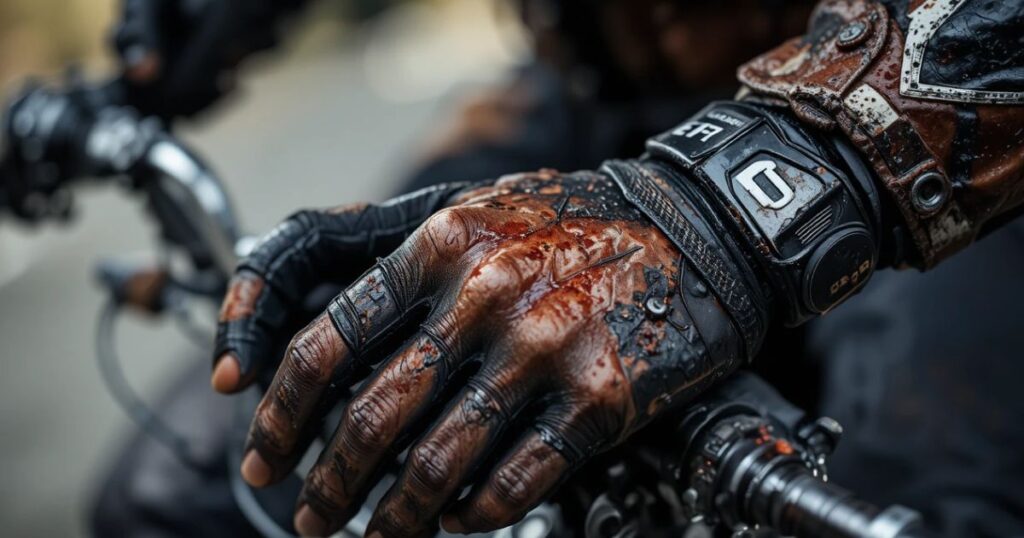
Road rash injuries are extremely common in motorbike injuries. When riders slide across asphalt, skin scrapes away. This happens during sliding across the pavement in a crash on motorcycle.
The severity of road rash varies. Mild cases involve skin abrasions. Severe cases expose muscle or bone. Infection risk is high without treatment.
Treating Road Rash Properly
Doctors clean wounds thoroughly. Treatment focuses on wound care to prevent infection and promote healing. Severe injuries may require skin grafts.
Preventing Severe Road Rash
Protective motorcycle gloves and armored riding gear reduce damage. While not foolproof, they significantly reduce the risk of severe injuries.
Symptoms That Indicate a Serious Hand or Wrist Injury
Some signs should never be ignored after a motorcycle accident. Persistent severe pain and swelling signal serious damage. Numbness, deformity, or inability to move fingers suggest nerve or bone injury.
Many riders feel sore after motorcycle accident and delay care. That delay worsens outcomes. Early treatment prevents complications and shortens recovery.
Diagnosis and Medical Evaluation After a Motorcycle Accident

After a motorcycle accident, doctors focus on identifying hidden damage. Many motorcycle crash injuries are not visible right away. Swelling often masks fractures or tendon tears. A proper exam prevents long-term harm.
Doctors use X-rays to detect wrist fractures, hand fractures, and finger fractures. CT scans reveal complex injuries like scaphoid bone injury or distal radius fracture. MRI scans help identify damage to tendons and ligaments when pain persists.
Why Early Diagnosis Matters
Delays increase complications. Untreated injuries worsen over time. Early scans reduce the chance of long-term disability. Prompt diagnosis helps patients return to daily life sooner.
Treatment Options for Hand and Wrist Injuries
Treatment depends on injury severity. Minor injuries may heal with rest and bracing. Severe injuries often require aggressive care. Doctors aim to restore movement and prevent loss of hand function.
Common treatments include immobilization with casts, splints, and medications. Severe cases require surgical intervention to realign bones or repair tissue. Every plan focuses on reducing pain and restoring function.
Role of Physical Therapy in Recovery
Physical therapy is essential for healing. Therapy helps restore range of motion and strength. Skipping therapy leads to stiffness and weakness. Consistent rehab improves outcomes significantly.
Recovery Time and Rehabilitation Process

Recovery varies by injury type. Simple fractures heal faster than tendon tears. Most patients face a long recovery period lasting weeks or months. Patience is critical during healing.
The rehabilitation process includes controlled movement and strength training. Overuse too soon causes setbacks. Following medical advice prevents reinjury and speeds progress.
Emotional and Physical Healing
Recovery affects mental health too. Frustration is common. Support from family and therapists improves motivation. A positive mindset helps healing.
Preventing Hand and Wrist Injuries While Riding a Motorcycle
Prevention starts before riding. Wearing protective motorcycle gloves protects bones and skin. Armored riding gear absorbs impact during crashes. Proper gear reduces injury severity.
Riders should also practice defensive riding techniques. Awareness lowers crash risk. Avoiding aggressive maneuvers reduces exposure to danger.
Smart Riding Habits That Reduce Risk
Training improves reaction time. Maintaining safe speeds matters. Avoid distractions. Smart habits reduce crashes significantly.
Summary of Common Hand and Wrist Injuries from Motorcycle Accidents
Common hand and wrist injuries from motorcycle accidents include fractures, dislocations, tendon damage, amputations, and road rash injuries. These injuries often result from breaking a fall with hands during crashes.
Understanding symptoms helps riders act quickly. Seeking timely medical assistance improves healing. With proper care, patients can improve recovery outcomes and protect their future mobility and independence.
FAQS
1: What are the most common hand and wrist injuries from motorcycle accidents?
The most common hand and wrist injuries include wrist fractures, hand fractures, finger fractures, wrist dislocation, and finger dislocation. These injuries often occur when riders instinctively extend their arms while breaking a fall with hands during a motorcycle crash injury.
2: Why are hands and wrists so vulnerable in motorcycle crashes?
During a motorbike accident, hands and wrists are at risk because riders naturally try to protect themselves. This reaction places intense pressure on the wrist joint. The impact leads to severe pain and swelling, bone damage, and soft tissue trauma.
3: How long does it take to recover from a hand or wrist injury after a motorcycle accident?
Recovery depends on injury severity. Minor injuries may heal in weeks. Serious injuries involve a long recovery period that lasts months. Many patients need physical therapy to restore range of motion and strength and avoid reduced mobility.
4: Can hand and wrist injuries cause permanent damage?
Yes. Untreated injuries may result in chronic pain, loss of hand function, or long-term disability. Severe cases such as hand and finger amputations are considered life-altering injuries and require extensive rehabilitation required for recovery.
5: What symptoms indicate a serious hand or wrist injury?
Warning signs include intense pain, deformity, numbness, limited movement, and swelling and loss of function. If you are injured in a motorcycle accident, seek care immediately. Early treatment helps improve recovery outcomes.
6: How are hand and wrist injuries diagnosed after a motorcycle crash?
Doctors use X-rays, CT scans, and MRIs to detect injuries from motorcycle accidents. Imaging helps identify fractures, scaphoid bone injury, distal radius fracture, and damage to tendons and ligaments.
7: What treatments are used for motorcycle hand injuries?
Treatment includes immobilization with casts, splints, medications, surgical intervention, and therapy. Severe injuries require surgery followed by structured rehabilitation.
8: Can protective gear really prevent hand and wrist injuries?
Yes. Protective motorcycle gloves and armored riding gear significantly reduce the risk of severe injuries. While gear cannot prevent all injuries, it limits damage during motorcycle crash injuries.
Conclusion
Common hand and wrist injuries from motorcycle accidents are painful, disruptive, and often underestimated. From fractures and dislocations to tendon damage and road rash injuries, these conditions affect daily life and long-term independence. Many injuries occur because riders instinctively protect themselves during crashes.
Early diagnosis, proper treatment, and commitment to rehabilitation make a real difference. Seeking timely medical assistance helps prevent complications and improves healing. Wearing proper gear and practicing safe riding habits protect your future health. With the right care, recovery is possible, and your quality of life after an accident can be restored.
Disclaimer:
This article is for informational purposes only and does not constitute medical or legal advice. The content is written to provide general awareness about motorcycle-related injuries. Always consult a qualified medical professional or attorney for advice specific to your situation. This informational blog is authored by Muhammad Maaz.
Common Hand and Wrist Injuries from Motorcycle Accidents

Common hand and wrist injuries from motorcycle accidents are among the most frequently treated injuries in emergency rooms across the United States. When a motorcycle crash occurs, riders are often thrown from the bike, and the hands and wrists absorb the initial impact as the rider instinctively tries to brace the fall. This natural reaction…
Neck and Back Injuries From Motorcycle Accidents: Causes, Symptoms, Treatment & Legal Rights
Motorcycle riding gives freedom, speed, and independence, but it also places riders among the most vulnerable road users in the United States. When a crash occurs, the human body absorbs the full force of the impact. Because there is no protective metal frame, motorcycle crash injuries often affect the most delicate and essential parts of…
Shoulder Injury From Motorcycle Accident: Types, Treatment, Recovery & Legal Options
A shoulder injury from motorcycle accident incidents can change everything in a split second. Motorcycles offer speed and freedom, but they provide almost no protection when a crash happens. In the United States, ER doctors treating motorcycle injuries frequently see riders brought in with severe shoulder damage. The shoulder often takes the first and hardest…

Muhammad Maaz, founder of InjuyCrashGuide.com — sharing simple, real-life accident and insurance guidance to help people stay informed and protected.