
Head trauma after a car accident is one of the most serious injuries a person can experience. Even a minor crash can cause significant damage to the brain, leading to long-term complications if not treated quickly. Victims often suffer from traumatic brain injury (TBI), concussion, or contusion, which can affect memory, balance, and emotions. In severe cases, diffuse axonal injury or brain swelling may occur, resulting in lasting disabilities. Recognizing the early signs and getting medical help immediately can make a life-saving difference. Understanding how these injuries happen, their symptoms, and your legal rights after an accident is crucial for proper recovery and fair compensation.
Head Trauma After Car Accident – Symptoms, Treatment & Legal Rights

Experiencing head trauma after a car accident can change a person’s life instantly. Even a seemingly minor car crash brain trauma may cause long-term damage to the brain function. Every year, thousands of Americans suffer from traumatic brain injury (TBI) after a motor vehicle accident, leading to hospitalization, medical bills, and emotional challenges. Understanding the symptoms, treatment, and your legal rights after such an injury is essential for recovery and justice.
What Is Head Trauma After a Car Accident?
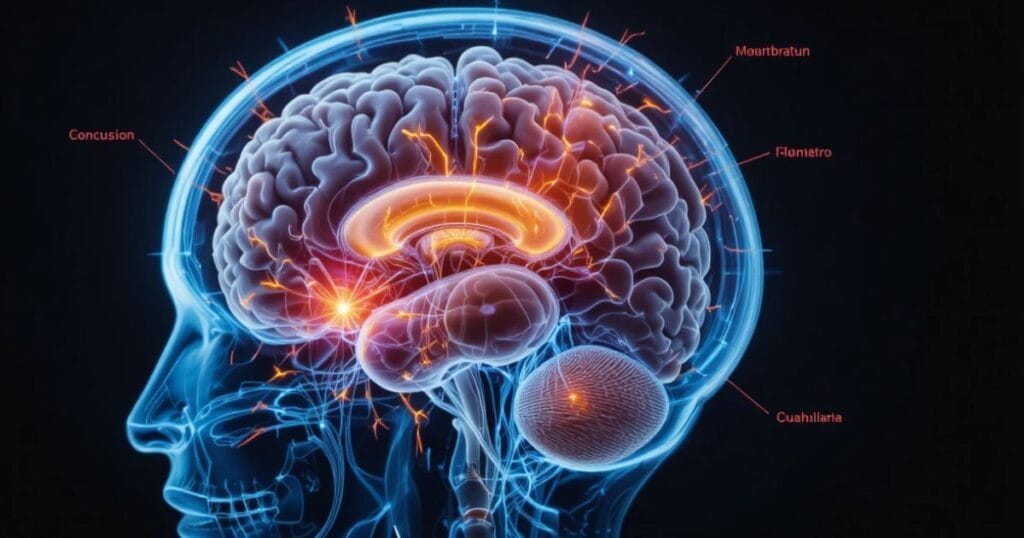
Head trauma refers to any injury that affects the brain, skull, or scalp due to external force. In a car accident, this typically happens when your head hits the steering wheel, dashboard, or window. Sometimes, even the sudden jolt of impact can cause an internal closed head injury where the brain strikes the inside of the skull.
Doctors often categorize brain injury after car accident as either open head injury (where the skull is fractured or penetrated) or closed head injury (where the skull remains intact). Both can result in serious brain swelling, bleeding, or diffuse axonal injury (DAI), affecting the brain’s communication network.
How Does a Car Accident Cause Brain Injuries?
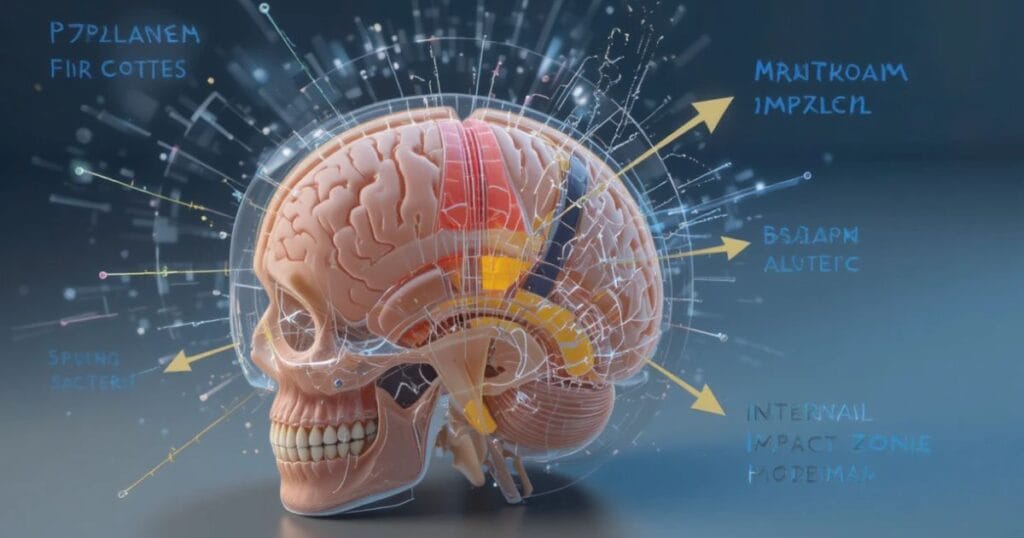
A car accident creates sudden motion forces that cause the brain to move violently inside the skull. This shearing movement can tear nerve fibers and blood vessels. The Centers for Disease Control and Prevention (CDC) notes that motor vehicle crashes are one of the leading causes of TBI-related deaths in the U.S.
Even when no direct blow occurs, a whiplash brain injury can trigger symptoms similar to concussion or contusion. The brain’s soft tissue collides against the hard skull, leading to microscopic cell damage and coup-contrecoup injury, where the brain is injured at two opposite sites.
Types of Brain Injuries After Car Accidents
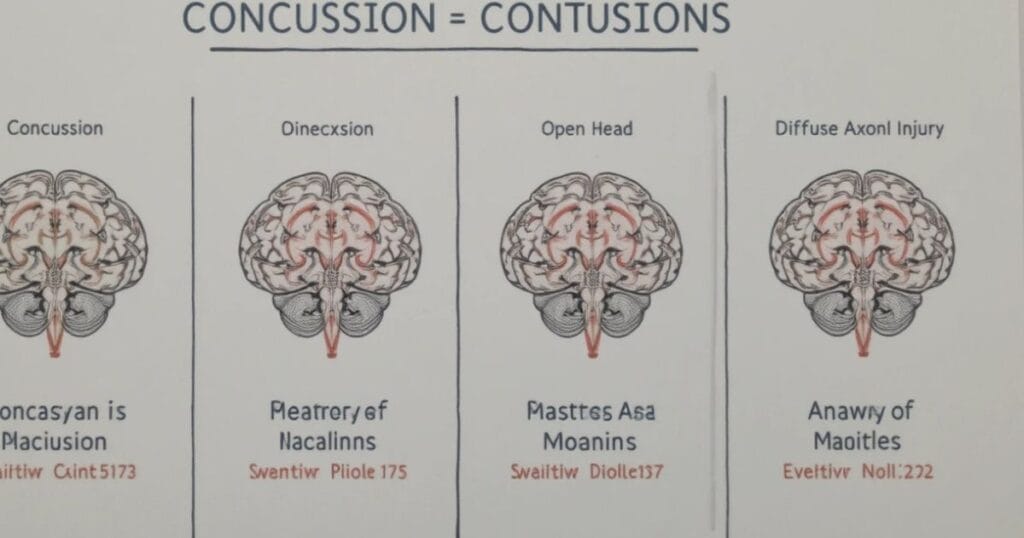
Different brain injuries after car accidents vary in severity and treatment needs. Common types include:
| Type of Brain Injury | Description |
| Concussion | A mild traumatic brain injury (TBI) caused by sudden impact or jolt. |
| Contusion | A bruise on the brain tissue, leading to swelling or bleeding. |
| Diffuse Axonal Injury (DAI) | Damage to nerve fibers that disrupt communication between brain cells. |
| Coup-Contrecoup Injury | When the brain strikes both sides of the skull during impact. |
| Skull Fracture | A break in the skull bone that may expose the brain to infection risk. |
| Brain Hemorrhage | Bleeding inside the brain that can cause brain swelling and pressure buildup. |
These injuries may occur together, making clinical diagnosis by a licensed medical professional critical.
Symptoms of Head Trauma After a Car Crash

After a motor vehicle accident, symptoms of head injury can appear instantly or develop over hours. Victims often report dizziness, blurred vision, memory loss, and persistent headaches. Some experience mood swings, fatigue, or confusion — signs that shouldn’t be ignored.
Severe cases show loss of consciousness, seizures, vomiting, or slurred speech. A board-certified neurologist can perform a medical evaluation after crash to confirm whether it’s a traumatic brain injury (TBI) or another form of brain damage diagnosis.
Mild vs Severe Traumatic Brain Injury (TBI)
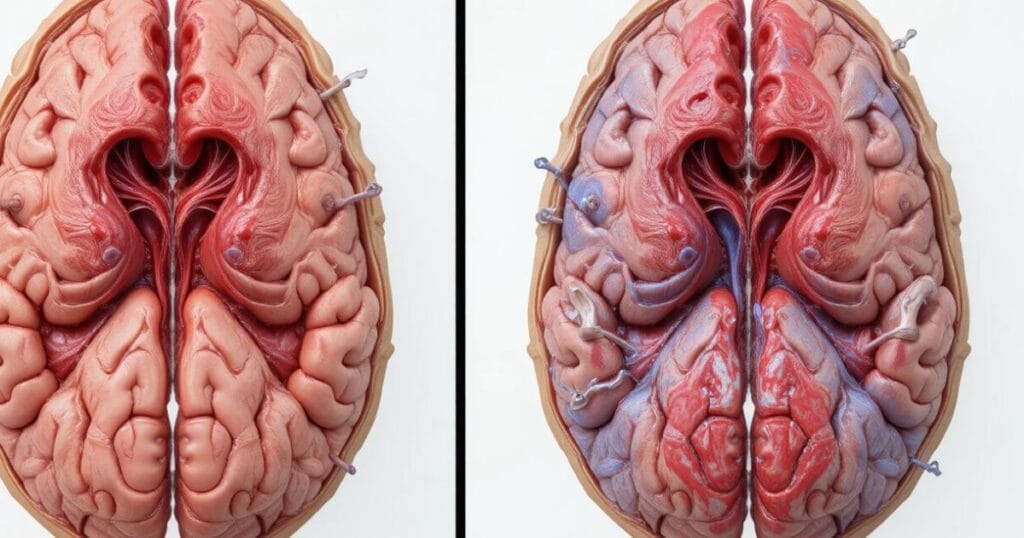
A mild TBI, such as a concussion, may cause temporary dizziness or memory lapses. Most people recover within weeks with rest and proper care. However, a severe traumatic brain injury involves long-term loss of cognitive and motor functions.
Doctors may recommend neurosurgery / rehabilitation for serious cases. The Centers for Disease Control and Prevention (CDC) reports that nearly 30% of all TBI-related deaths stem from motor vehicle accident injuries, highlighting the importance of early emergency medical care.
Head Trauma Symptoms in Children

Children’s brains are more vulnerable to car crash brain trauma because their skulls are still developing. Common head injury symptoms in kids include irritability, loss of appetite, and trouble sleeping. Parents should watch for vomiting or unusual crying patterns.
If a child loses consciousness or seems dazed after an accident, immediate hospital emergency protocols should be followed. A brain injury specialist or pediatric neurologist can determine the extent of injury through a Brain Scan or imaging tests.
When to See a Doctor After a Car Accident
Anyone who experiences head trauma should seek a professional medical opinion right after the crash, even if they feel fine. Delayed symptoms can appear later as brain swelling or bleeding increases.
A post-accident medical evaluation helps in identifying internal damage early. In the U.S., emergency rooms / hospitalization are equipped with HIPAA-compliant care standards to ensure patient safety and privacy during clinical diagnosis.
Diagnosis of Head Trauma
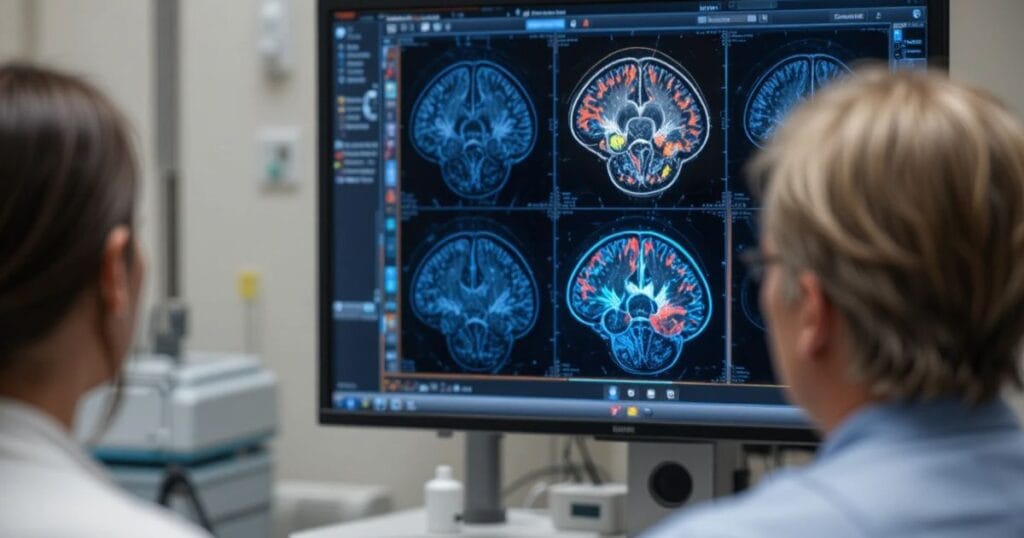
Accurate medical diagnosis involves multiple tests. Doctors may use Brain Scans like MRI or CT to detect internal injuries, fractures, or diffuse axonal injury (DAI). A board-certified neurologist reviews your reflexes, coordination, and cognitive abilities.
Verified medical sources recommend documenting every symptom for a proper clinical diagnosis. Early testing increases the success of rehabilitation therapy and reduces the risk of long-term brain injury effects.
Medical Treatment Options for Head Injuries
Treatment for head trauma depends on severity. Minor concussions may require rest and monitoring, while severe brain hemorrhage or brain swelling may demand surgery.
Hospitals follow strict hospital emergency protocols for emergency medical care. A neurosurgeon or neurologist might perform neurosurgery / rehabilitation to relieve pressure and prevent infection risk. Medication and oxygen therapy are also common approaches.
Rehabilitation and Recovery After Brain Injury

Rehabilitation therapy plays a major role in brain injury recovery. Patients may need physical, occupational, or speech therapy depending on the affected brain areas. The process can last months or even years.
Working with a brain injury specialist ensures gradual restoration of brain function. Support from family and professional caregivers is equally important in maintaining emotional and physical strength throughout recovery.
Long-Term Complications of Traumatic Brain Injury
Untreated head trauma can lead to long-term complications such as memory loss, concentration problems, and mood disorders. Some people develop epilepsy or chronic headaches years after the incident.
The Centers for Disease Control and Prevention (CDC) emphasizes ongoing care to manage TBI-related deaths / statistics. Regular checkups and therapy reduce risks of brain damage worsening over time.
Preventing Head Injuries in Car Accidents
Wearing seatbelts, using airbags, and avoiding distractions are vital to preventing car crash brain trauma. Keeping car seats properly installed for children also lowers risk.
Following traffic laws and avoiding drunk or fatigued driving reduces the chances of motor vehicle accident injuries significantly. Prevention always remains the best protection against head trauma complications.
Legal Rights After Head Trauma in a Car Accident

Victims have the right to pursue a personal injury lawsuit if someone else’s negligence caused the accident. An experienced car accident lawyer can help recover compensation for medical expenses, lost income, and emotional suffering.
Consulting a personal injury attorney offers access to free case evaluation, confidential consultation, and no-obligation legal advice. These professionals understand patient safety and care standards and work to protect your rights under U.S. law.
Compensation for Brain Injury Victims
Victims of traumatic brain injury (TBI) may be eligible for compensation for TBI victims covering treatment costs, rehabilitation, and pain and suffering. Settlements often depend on the extent of brain damage diagnosis and long-term prognosis.
A legal consultation for brain injury ensures that victims receive fair financial support. In complex cases, working with a personal injury law firm familiar with medical documentation strengthens your claim.
Support and Resources for Brain Injury Survivors
The U.S. has several organizations supporting survivors, including the Brain Injury Association of America and CDC brain injury programs. These groups provide counseling, rehabilitation referrals, and education about long-term brain injury effects.
Families can also find guidance through verified medical sources and community-based support centers focused on rehabilitation therapy and coping strategies for survivors.
Living With a Traumatic Brain Injury
Living with a TBI involves adjusting to cognitive or emotional changes. Patients often face fatigue, mood swings, and sensory issues. Staying consistent with therapy and maintaining a healthy lifestyle helps rebuild confidence.
Support from family, friends, and local resources is vital. A licensed medical professional or brain injury specialist can create a tailored recovery plan for long-term independence and well-being.
Latest Research & Advances in Brain Injury Treatment

Modern medicine continues to advance brain injury treatment. Recent research data focuses on stem cell therapy, neuroplasticity, and artificial intelligence in rehabilitation.
The Centers for Disease Control and Prevention (CDC) supports ongoing studies to reduce TBI-related deaths and enhance brain function recovery. Early detection tools and innovative therapies now offer new hope for survivors worldwide.
Conclusion:
Protecting Your Health and Legal Rights After Head Trauma
Head trauma after a car accident isn’t just a short-term injury — it can affect your entire future if not treated promptly and properly. Seeking immediate emergency medical care, following through with rehabilitation therapy, and maintaining contact with a board-certified neurologist are vital steps toward recovery. Every symptom, no matter how small, deserves attention.
Equally important is understanding your legal rights. Victims of traumatic brain injury (TBI) deserve justice and fair compensation for TBI victims who suffer due to another person’s negligence. Consulting an experienced car accident lawyer or personal injury attorney for a free case evaluation helps ensure you receive the support, care, and resources you deserve. Protect your health first — and let legal experts handle the fight for your recovery and financial stability.
FAQS
| Question | Answer |
| What are the symptoms of a head injury after a car accident? | Common signs include headaches, dizziness, nausea, confusion, blurred vision, and memory loss. Severe cases may involve vomiting, seizures, or loss of consciousness. |
| How to recover from head trauma? | Recovery involves rest, medical supervision, rehabilitation therapy, and avoiding physical or mental strain until cleared by a brain injury specialist. |
| How long does trauma last after a car accident? | Mild trauma may heal within weeks, while severe traumatic brain injuries (TBI) can take months or even years to fully recover. |
| How long after hitting your head can concussion symptoms start? | Symptoms of a concussion can appear immediately or be delayed for several hours to 2–3 days after the impact. |
| How do I know if hitting my head is serious? | Persistent headaches, vomiting, confusion, or any loss of consciousness indicate a serious injury—seek emergency medical care immediately. |
| What are three delayed symptoms of a concussion? | Trouble sleeping, mood swings, and difficulty concentrating are three common delayed concussion symptoms. |
| Can the brain heal from head trauma? | Yes, the brain can partially heal with proper rehabilitation and neurosurgery support, though severe damage may cause lasting effects. |
| What to avoid after head trauma? | Avoid alcohol, strenuous activities, loud environments, and screen time until cleared by a licensed medical professional. |
| What is the 3 concussion rule? | It advises that after three diagnosed concussions, individuals should reconsider returning to high-risk activities to prevent permanent brain damage. |

Muhammad Maaz, founder of InjuyCrashGuide.com — sharing simple, real-life accident and insurance guidance to help people stay informed and protected.