
Dealing with a home insurance claim process can be stressful, especially after dealing with storm damage or unexpected home repairs. Understanding how to interact with a home insurance adjuster assessment is crucial to ensure you receive a fair insurance settlement offer. Many homeowners underestimate the importance of documenting every detail, so documenting home damage for insurance becomes essential in avoiding disputes. Working with experienced residential roofing contractors or professionals can also streamline the process and strengthen your claim. This guide will walk you through practical strategies, from initial inspection to negotiation, helping you confidently navigate the complex world of home insurance claims and protect your rights.
What Is a Home Insurance Adjuster & How Do They Work?
A home insurance adjuster is the company’s investigator. Their main job is insurance adjuster assessment — calculating how much the insurance company should pay you according to your home insurance policy agreement, not according to your actual financial need. They review your policy coverage and liability, inspect the loss, analyze repair costs, and recommend an insurance settlement offer to their company.
They are not your enemy — but they are not on your side either. Their loyalty is with the insurer that pays their salary. If you approach them blindly, you risk dealing with a bad faith insurance company that quietly minimizes or delays payments with tactics most homeowners never even notice.
What Happens Right After You File a Home Insurance Claim?

Once you submit your claim, the home insurance claim process begins with the company assigning an adjuster to your case. This is where the insurance investigation process starts. The adjuster will review your initial report, schedule an inspection, and begin studying your policy limitations before even talking to you.
This early stage is extremely important because what you say during initial communication with insurance adjuster and how well you start documenting home damage for insurance can permanently affect your final payout. This is when most homeowners accidentally reduce their claim without realizing it.
Fire claim public Adjuster
f you’ve recently suffered property damage from a fire, you might need a Public Adjuster to handle your insurance claim. They work on your behalf to make sure you get a fair settlement. Learn more in our detailed guide on Fire Claim Public Adjusters.
How to Prepare Before Meeting a Home Insurance Adjuster
Before the adjuster ever arrives, preparation decides your payout. Start by documenting home damage for insurance — take videos and clear photos before any cleanup. Create a simple list of all affected areas, repair estimates, receipts, and anything proving the value of damaged items. This helps override any low insurance adjuster assessment if they try to downplay the loss later.
Most homeowners forget this step and depend only on the adjuster’s evaluation — which is a mistake. Knowing how to prepare for insurance inspection gives you negotiation power, especially when backed by professional roof contractor help or even a second opinion insurance claim from an independent estimator.
What NOT to Say to a Home Insurance Adjuster

Never guess, apologize, or admit fault. Avoid dangerous phrases like “I think,” “maybe,” or “it wasn’t that serious.” These weaken your legal position instantly. Never discuss past claims or mention future repair plans until your payout is confirmed. This is exactly what not to say to an insurance adjuster because it can be used to reduce your claim.
Also avoid asking casually, “Can an adjuster reduce my claim?” — the answer is yes, aggressively. Always speak only in facts, not opinions, and never say
anything that sounds like you are uncertain or responsible.
How to Deal With an Insurance Claims Adjuster
When you file an insurance claim, the claims adjuster is the person who investigates your loss. Knowing how to talk, negotiate, and provide the right documents can make a big difference. Read our full article on how to deal with an insurance claims adjuster.Terms of services
Should You Hire a Public Adjuster or Handle Claim Yourself?

A public adjuster legally represents only you — not the insurance company. If the damage is large or structural like roof, fire, or flood, most experts recommend hiring one rather than going alone. This is the answer to should I hire a public adjuster or handle myself — it depends on whether you know how to fight like a professional.
For homeowners with no experience in insurance claim negotiation, a public adjuster or even a claims attorney ensures that the insurer cannot quietly underpay or twist your wording. It is not mandatory — but it is often the smartest financial move.
How to Negotiate with an Insurance Adjuster for Maximum Payout

Never accept the first offer from insurance — accept or reject? Answer: reject politely and request a detailed written breakdown. You must show evidence that the quote is missing hidden repairs, structural impact, or future damage risk. This is exactly how to negotiate with a home insurance adjuster — you need proof, not emotion.
Your goal is how to maximize home insurance payout legally by demonstrating equal or superior knowledge. Mention market repair rates, licensed contractor estimates, and request written confirmation of every denial, delay, or missing coverage term.
How to Deal With Insurance Adjuster After a House Fire
After a house fire, emotions are high and insurance matters can be confusing. Understanding how to manage discussions with your adjuster helps protect your rights and your compensation. Check out our complete guide on dealing with insurance adjusters after a house fire.
What If Your Home Insurance Claim Is Denied or Underpaid?
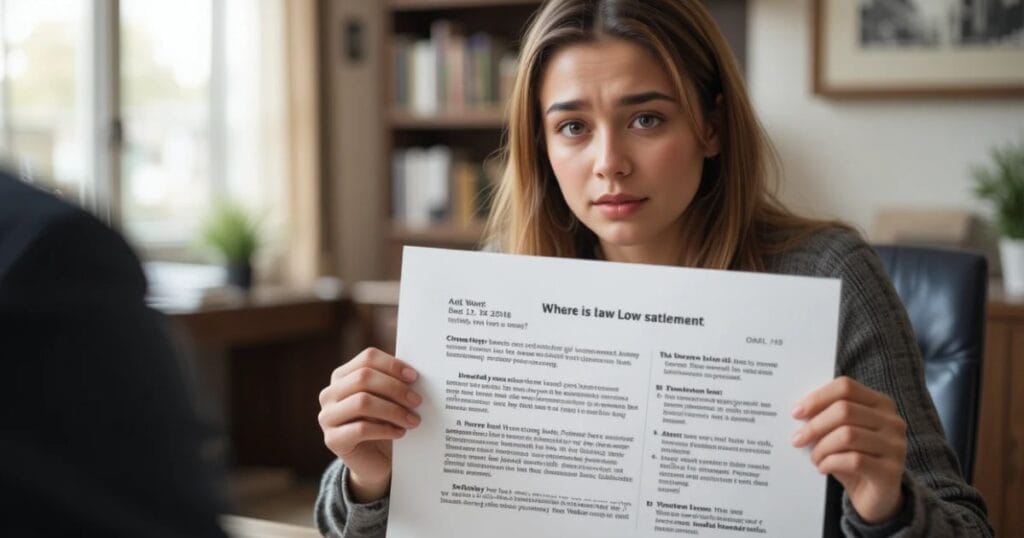
Many homeowners don’t know can homeowners reopen denied claims? Yes — absolutely. A denied or low-paid claim is not permanent. You can request re-evaluation, submit stronger evidence, or prove insurance miscalculation. You also have the right to file appeal or hire an attorney if required.
Always remember — how to avoid insurance claim denial starts with filing perfect evidence, zero speculation, and correct legal wording. Insurance companies often reject weak claims, not valid ones.
Special Claim Situations Homeowners Must Know
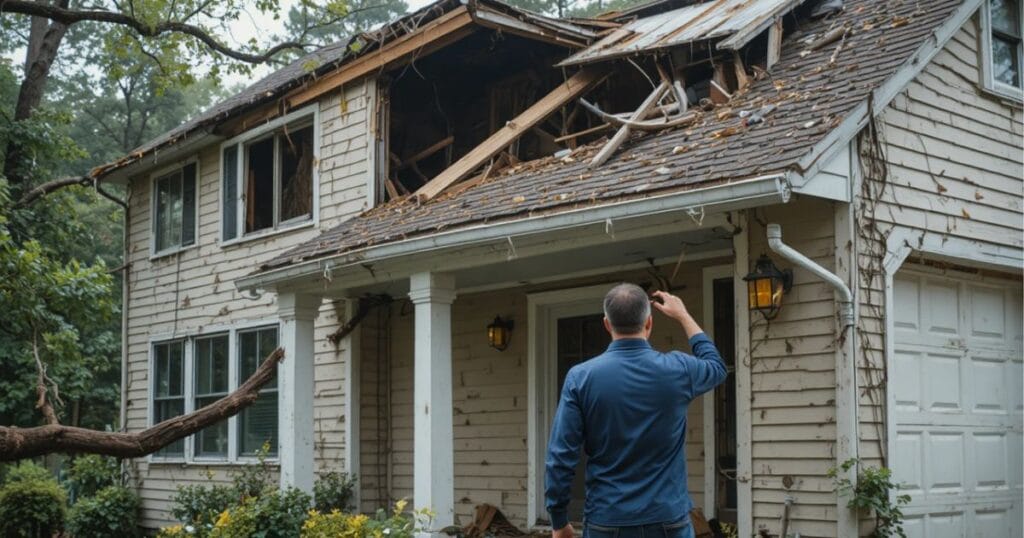
Claims for dealing with storm damage, wind-driven rain, smoke without flames, or roofing leaks all require specialized presentation. For example, roofing damage inspection claims often get rejected if you cannot prove “sudden accidental damage” rather than slow wear and tear.
Likewise, sewage backup, foundation cracks, and mold require exact language. Always match the right claim category — wording matters more than most people realize.
Real Case Examples of Adjuster Tactics (So You Don’t Fall for Them)
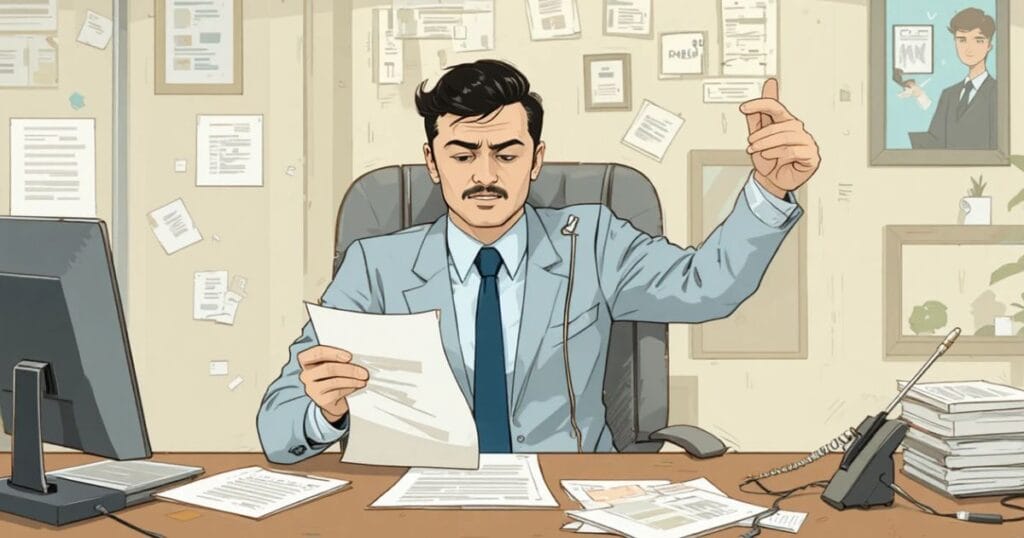
Some adjusters try to delay response hoping you give up. Some pretend repairs are cheaper using old cost data. Some deny coverage while knowing most homeowners never challenge it. Others avoid email and keep everything on phone calls to leave no written proof.
These tactics are common signs of a bad faith insurance company. Staying firm, always requesting written proofs, and involving residential roofing contractors
or legal presence immediately changes their behavior.
How to Deal With Insurance Adjuster (Complete Guide 2025)
If you want to understand the entire insurance adjuster process from start to finish, our 2025 Complete Guide breaks down everything — from first contact to final settlement. Don’t miss this essential resource on dealing with insurance adjusters.
Final Expert Advice — Protect Yourself, Not the Insurance Company

Always remember: insurance is business, not charity. Their job is to minimize loss, your job is to control the insurance investigation process, not surrender to it. Understand your home insurance policy agreement, collect evidence before cleanup, and never rush into casual talk or emotional apology.
FAQS
Here’s a clear table with 1–3 line answers for your questions:
| Question | Answer |
| How do you deal with a bad adjuster? | Remain professional, document all communication, request clarification in writing, and consider hiring a public adjuster if necessary. |
| How to deal with insurance adjusters that don’t reply? | Follow up persistently via email or certified mail, keep records, and escalate to the insurance company’s supervisor if unresponsive. |
| How do you deal with a loss adjuster? | Cooperate professionally, provide accurate information, document home damage for insurance, and be present during roofing damage inspection if possible. |
| What tactics do claim adjusters use? | They may undervalue claims, delay responses, or request unnecessary information; stay organized and get a second opinion insurance claim to protect yourself. |
| Who pays for loss adjuster? | Typically, the homeowner pays if hired independently; some insurers cover costs if the adjuster is appointed by the company. |
| How much does a loss adjuster cost? | Costs range from 5% to 15% of the claim amount or a flat fee, depending on the claim size and complexity. |

Muhammad Maaz, founder of InjuyCrashGuide.com — sharing simple, real-life accident and insurance guidance to help people stay informed and protected.