
after an accident or property loss can be stressful, especially if it’s your first time handling the insurance claim process. These professionals are hired by the insurance company representative to assess your damages, review your insurance policy coverage, and determine how much money you should receive. However, many people don’t realize that adjusters often work to protect the company’s interests, not yours. Understanding how to communicate, provide evidence, and respond to their questions correctly can help you get a fair compensation claim and avoid mistakes that may reduce your payout. This complete 2025 guide explains every step clearly and simply.
This 2025 guide explains everything you need to know about insurance adjusters, how to communicate with them, how to handle lowball settlement offers, and when to contact a personal injury lawyer or public adjuster.
What Is an Insurance Adjuster and Who Do They Work for?

An insurance adjuster is a person hired by the insurance company representative to investigate damages, evaluate claims, and determine how much compensation should be paid to the claimant or insured person.
There are two main types of adjusters:
- Company Adjuster – works directly for the insurance company, protecting its interests.
- Public Adjuster – works independently for you, the policyholder, helping you get a fair compensation.
| Type of Adjuster | Works For | Goal | Example |
| Company Adjuster | Insurance Company | Minimize payout | Employee of Allstate, GEICO, etc. |
| Public Adjuster | You (the insured) | Maximize compensation | Licensed independent adjuster hired by claimant |
So, while the insurance adjuster might seem friendly, always remember that a company adjuster works to save money for the insurer — not necessarily to help you.
Understanding How Insurance Adjusters Evaluate Claims

The insurance claim process usually starts when you file a claim after an accident or damage. Then the adjuster begins investigating damages and performing a claim evaluation.
They will review:
- The insurance policy coverage and insurance coverage limits
- Photos, videos, and documents of the damage
- Police or incident reports
- Statements from witnesses or involved parties
The adjuster may use claim negotiation techniques to lower costs or may provide a lowball settlement offer. Some may even act in bad faith, using delayed claim tactics or unfair claim handling to reduce or postpone your payment. Understanding their methods helps you stay alert and avoid losing money.
What To Do Before the Adjuster Arrives at Your Property

Before a home insurance adjuster or car insurance adjuster visits, preparation is key. Make sure you collect solid proof of your property damage claim or homeowner insurance claim.
- Take clear photos and videos of all damages.
- Make a list of lost or broken items with estimated values.
- Keep receipts for repairs or replacements.
- Review your insurance policy carefully to understand your coverage.
You should also avoid giving a recorded statement insurance without consulting a personal injury lawyer or public adjuster, as it may be used against you later in a claim dispute or liability determination.
How to Communicate Effectively with an Insurance Adjuster

Always keep your communication professional and documented. When you speak with an insurance company representative, write down dates, times, and details of each call.
Avoid guessing or exaggerating any detail about your accident claim investigation. Stick to facts only. If the adjuster pressures you to request recorded statements or discourage legal help, politely refuse and say you prefer to speak through your lawyer.
The best rule is: be polite but firm. You’re protecting your right to a fair compensation, not negotiating a favor.
Red Flags — Signs of a Biased or Unfair Adjuster
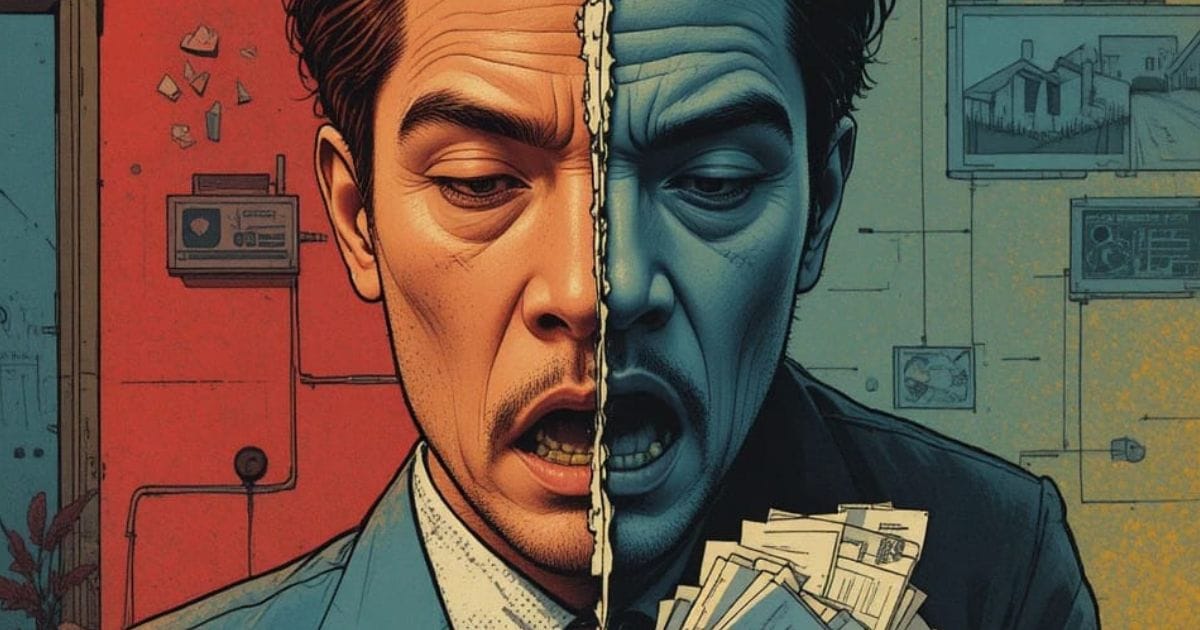
Sometimes, an insurance adjuster might use bad faith insurance practices to reduce your payout. Watch for red flags such as:
- Unexplained delays or repeated requests for more documents (delay claim tactics)
- Offering a lowball settlement offer without proper explanation
- Denying your claim without clear reasons (insurance claim denial)
- Ignoring your calls or refusing to provide written estimates
If you notice these signs, document everything and contact a property damage lawyer or public adjuster immediately. You can also report unfair claim handling to your state’s insurance department.
What to Do If You Disagree with the Adjuster’s Estimate

If the insurance adjuster estimate seems too low, don’t accept it right away. You have the right to challenge the claim evaluation.
Get an independent appraisal from a public adjuster or contractor to compare repair costs. If your insurance claim dispute continues, ask for a written explanation of claim denial reasons.
Sometimes, insurance companies try to deny liability even when evidence is strong. That’s when legal representation for insurance claims becomes important to protect your rights and pursue a bad faith insurance claim under laws like Florida Statute 624.155.
When and Why You Should Hire a Lawyer

Hiring a personal injury lawyer or property damage lawyer like Landau Law can make a big difference. They understand claim negotiation, insurance fraud monitoring, and how to build a strong liability determination.
A lawyer can help you:
- Prove bad faith insurance practices
- Ensure a fair compensation settlement
- Handle personal injury compensation claims
- Navigate complex claim settlement processes
Having legal support ensures you’re not taken advantage of by experienced insurance adjusters and their tactics.
Special Considerations for Homeowners in Florida

Florida insurance laws have strict rules on bad faith insurance claims and unfair claim handling. Many homeowners in Florida face challenges due to natural disasters, leading to massive homeowner insurance claims.
If your insurer delays your claim or fails to pay fairly, you can take legal action under Florida Statute 624.155. Hiring a public adjuster or personal injury lawyer familiar with Florida insurance laws ensures you receive a proper claim settlement process and compensation within your insurance coverage limits.
Tips to Maximize Your Insurance Compensation

To maximize compensation, focus on documentation and persistence. Always file a claim quickly and follow up regularly. Keep detailed records of all communications and repair receipts.
If you suspect the insurer is trying to act in bad faith or deny liability, contact a public adjuster or personal injury lawyer immediately. Remember, never sign a settlement negotiation offer unless you fully understand it and agree with the terms.
| Step | Action | Result |
| 1 | File a claim with evidence | Faster claim approval |
| 2 | Review insurance policy | Know your coverage |
| 3 | Record communication | Protect your rights |
| 4 | Get legal consultation | Stronger negotiation |
| 5 | Stay consistent | Maximize compensation |
Final Thoughts — Protect Yourself and Know Your Rights
Dealing with an insurance adjuster is never easy. They may try to delay claims, deny liability, or push for lowball settlement offers. However, when you understand the insurance claim process, prepare well, and seek legal consultation when necessary, you can avoid common traps and protect your rights.
In 2025, with rising claim disputes and bad faith insurance practices, staying informed is your best defense. Whether you’re handling a homeowner insurance claim, car accident, or personal injury claim, knowledge gives you power — and power helps you win fair insurance compensation.
FAQS
Sure — here are short, clear FAQ answers for your article:
What not to say when talking to an insurance adjuster?
Avoid admitting fault, giving opinions, or guessing details. Stick to facts and never say you don’t need a lawyer.
What tactics do claim adjusters use?
They may use delayed claim tactics, offer a lowball settlement, or request recorded statements to limit your payout.
How stressful is a claims adjuster?
The job is highly stressful due to tight deadlines, emotional clients, and complex claim evaluations.
What is the difference between claims and adjusters?
A claim is your request for payment; an adjuster investigates and decides its value.
What is the difference between a TPA and an adjuster?
A TPA (Third-Party Administrator) manages claims for insurers, while an adjuster handles individual claim investigations.
What is a MGA in insurance?
An MGA (Managing General Agent) is a specialized company that underwrites and manages insurance policies for ins Insurance Adjuster

Muhammad Maaz, founder of InjuyCrashGuide.com — sharing simple, real-life accident and insurance guidance to help people stay informed and protected.