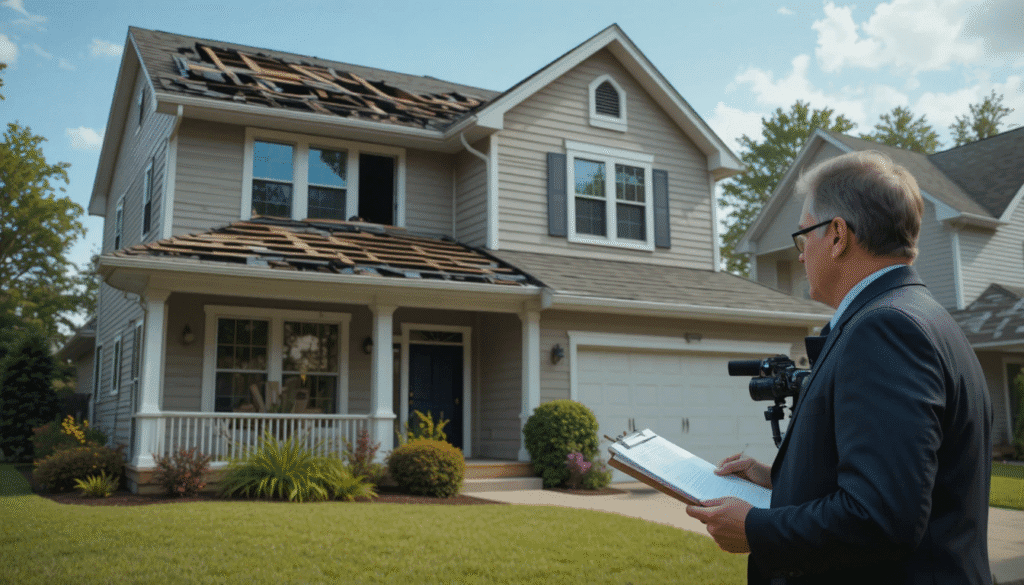
Dealing with a home insurance claim can feel overwhelming, especially if it’s your first time facing an insurance adjuster representing insurance company. Understanding how to deal with home insurance adjuster is crucial because what you say and do in the early stages can directly impact how much money you receive. An adjuster’s goal is often to minimize payouts, while your goal is to maximize home insurance payout and get fair compensation for your loss. The process becomes easier once you clearly know your rights of homeowners during insurance claims and prepare before the inspection. A strategic approach from day one can completely change the outcome in your favor.
In this ultimate USA-focused guide, you’ll learn how insurance adjusters work, how to prepare before their visit, what to say and avoid, negotiation strategies, legal options — and what to do if your claim is delayed or denied.
What Is a Home Insurance Adjuster and How They Work

A home insurance adjuster is a representative whose job is to inspect your property damage, evaluate the cause, and estimate the cost of repairs.
Main objective:
They are hired by the insurance company, not by you — meaning their primary goal is to save the insurance company money, not to get you the highest payout.
What they usually do:
- Visit your property to inspect damage
- Ask questions about how and when the incident happened
- Request documents, photos, receipts, repair estimates
- Determine if your policy covers the loss
- Offer a settlement amount (often lower than you deserve)
Understanding this helps you stay ahead and negotiate smartly.
Types of Insurance Adjusters (Company vs Public vs Independent)

| Type of Adjuster | Who They Work For | Whose Interest They Protect | When They’re Involved |
| Company Adjuster | Insurance Company | Insurance Company | Most common – assigned by your insurer |
| Independent Adjuster | Insurance Company (External contractor) | Insurance Company | When company has high claim volume |
| Public Adjuster | YOU (You hire them) | Homeowner / Policyholder | Best when claim is large or underpaid |
✅ Important Tip: If you ever feel that the insurance adjuster is undervaluing or delaying your claim, you have the right to hire a Public Adjuster to fight for you, not against you.
“how to deal with home insurance adjusters”
Understanding the Claims Process Step-by-Step
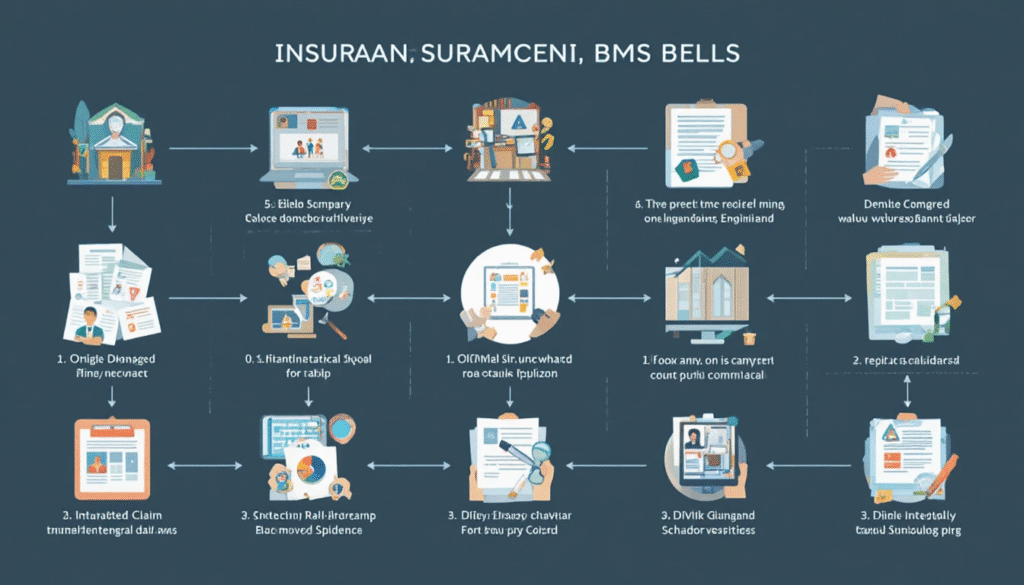
- Incident Occurs — fire, burst pipe, theft, storm, etc.
- You Report Claim to your insurance company.
- Adjuster Assigned — they’ll contact you for inspection.
- Adjuster Visits & Investigates — reviews damage, asks questions.
- You Submit Proof — photos, estimates, repair costs, receipts.
- Adjuster Makes an Offer — typically a lowball first offer.
- You Negotiate — provide stronger evidence.
- Settlement Finalized — or escalated if denied/too low.
How to Prepare Before the Adjuster’s Visit (Documents + Evidence)

Preparation is the key to winning your claim. Do not wait for the adjuster to control the narrative.
Gather this before their visit:
✅ Photos & videos of damage (before & after if possible)
✅ Receipts or invoices for damaged items
✅ Independent contractor repair estimates (very important)
✅ Police / fire department report (if applicable)
✅ Your full insurance policy + coverage details
Pro Tip: If possible, do not clean or repair anything before inspection — unless it’s an emergency to prevent more damage.
What to Say and What NOT to Say to an Insurance Adjuster

What You SHOULD Say:
✅ “I am still assessing the total damage.”
✅ “All communication will be documented.”
✅ “Please email that to me in writing.”
✅ “My estimate from a licensed contractor is $____.”
What You MUST AVOID:
❌ “This was my fault.”
❌ “I think…” or guessing details
❌ “I don’t have proof but…”
❌ Accepting first offer immediately
Golden Rule: Never admit fault. Never sound unsure. Stick to facts + evidence.
“how to deal with an insurance claims adjuster”
Smart Negotiation Strategies to Maximize Your Claim

✅ Get your own contractor estimates before the adjuster arrives
✅ Politely reject the first offer — it is almost always low
✅ Ask: “Can you explain how you arrived at this number?”
✅ Use strong words like “inadequate”, “underestimated”, “does not match market replacement cost.”
✅ If needed, say: “I may involve a public adjuster or attorney if necessary.”
Common Mistakes Homeowners Make and How to Avoid Them

| Mistake | Why It’s Dangerous |
| Accepting the first offer | 90% of first offers are lowball |
| Not keeping evidence | Weakens your negotiation |
| Saying too much | Adjusters use your own words against you |
| Not hiring help when needed | You lose thousands of dollars |
When and Why to Hire a Public Adjuster or Lawyer

Hire a public adjuster if:
- Your claim is over $20,000
- Adjuster is delaying or lowballing repeatedly
- You don’t want to fight alone
Hire a lawyer if:
- Claim is denied
- Insurance company acts bad faith
- You suspect fraud, discrimination, or intentional underpayment
What to Do If Your Insurance Claim Is Delayed or Denied
✅ Ask for a written explanation for delay or denial
✅ Respond with additional proof immediately
✅ File a bad faith complaint with your state insurance department
✅ Hire a public adjuster or lawyer without wasting time
What Is a Home Insurance Adjuster and How They Work
A home insurance adjuster is the person sent by your insurance company to inspect your property damage and estimate how much the insurer should payout. They don’t work for you — they work for the insurance company, and their job is to limit the insurance company’s financial loss. Most homeowners mistakenly assume the adjuster is neutral, but they are technically a financial risk protector for the insurer.
During the claims investigation, the adjuster will visit your home, inspect the damage, interview you, and review receipts, photos, and repair estimates. They evaluate whether the damage is covered under your policy and calculate a payout amount — but that initial offer is almost always lower than what you truly deserve.
Types of Insurance Adjusters (Company vs Public vs Independent)
A company adjuster (also called staff adjuster) is a full-time employee of your insurance company. This is the most common type, and they always focus on protecting company profits. On the other hand, a public adjuster is licensed to represent YOU — not the insurance company. They work to maximize home insurance payout and are usually hired when the insurance adjuster estimate is too low or when there is a bad faith insurance claim situation.
There is also an independent adjuster, which is not a company employee but a third-party contractor hired by the insurance company. They may seem neutral, but in real cases they still favor the insurer because that’s who pays them. That’s why many homeowners eventually hire a public adjuster for insurance claim to actually protect their own rights.
Understanding the Claims Process Step-by-Step
The home insurance claim process step by step begins the moment you report the damage to your insurer. First, you file a claim and provide a basic description of what happened. The insurer assigns a home insurance adjuster to your case, and they schedule an inspection visit. This initial stage is critical — every word you say is recorded, and even small mistakes can weaken your claim.
Next comes the insurance adjuster visit, where they inspect your home, take photos, ask questions, and gather evidence. After reviewing policy coverage and comparing contractor estimates, they create a payout offer. Most times, the first offer is a lowball insurance settlement offer, which is why smart homeowners are prepared to negotiate with insurance adjuster to increase it. If needed, you can later dispute insurance adjuster decision or reopen an insurance claim if you discover hidden damage.
How to Prepare Before the Adjuster’s Visit (Documents + Evidence)
Insurance adjuster visit preparation is the single biggest factor that influences your payout. You must gather before-and-after photos, repair quotes from licensed contractors, receipts of damaged items, and documented proof of loss. Don’t wait until the adjuster arrives — organize everything clearly, because confusion benefits the insurer, not you.
Create a simple proof-of-damage file with labeled folders: “Roof Damage,” “Electronics,” “Invoices,” “Contractor Quotes.” This makes you appear highly prepared and serious, which immediately stops adjusters from lowballing or manipulating you. If possible, record video walkthroughs of all damaged areas before any cleaning or repairs. This visual evidence becomes crucial if insurance claim denied or delayed later and you must fight back legally.
“how to deal with insurance adjuster after a house fire”
What to Say and What NOT to Say to an Insurance Adjuster
What you say during the first conversation can make or break your claim. Always stay calm, factual, and brief. You should never speculate about the cause of damage — don’t say “I think” or “maybe it started from…” because that can be twisted as admission of fault. Only describe what you saw, not what you think happened. Also avoid saying “everything is fine now” — that implies the damage is less severe.
Danger phrases to avoid:
- “It wasn’t that bad.”
- “I think it started because…”
- “This is the first time I’ve had this issue.”
- “No injuries or losses.” (Unless 100% certain — even hidden smoke damage matters)
- Never give a recorded statement without legal advice — it’s a trap called recorded statement insurance warning.
The right approach is: speak in clear, short, factual sentences. If you don’t know something — say, “I will provide that information after proper documentation.” This keeps you in control and legally protected.
Smart Negotiation Strategies to Maximize Your Claim
To maximize home insurance payout, you must negotiate with insurance adjuster instead of accepting the first offer. Insurance companies often start with a lowball insurance settlement offer, hoping you’ll accept quickly out of stress. Never accept or sign immediately. Ask for the full written breakdown of how they calculated the amount. This gives you the ability to challenge inaccuracies.
A powerful strategy is to present contractor quotes that are higher and realistic, because insurers almost always offer below real market repair value. Another smart move is mentioning “I am prepared to involve a licensed public adjuster or attorney if needed.” This is not a threat — it’s a legal right against insurance companies. In many cases, the offer improves instantly when they realize you understand the claim game.
Common Mistakes Homeowners Make and How to Avoid Them
Most homeowners unknowingly weaken their own claim before negotiation even begins. A major error is cleaning or repairing damage before proper documentation, which gives the insurer room to say “not enough evidence.” Another common mistake is trusting that the adjuster is on their side. Remember: do insurance adjusters work for you? No — they are adjuster representing insurance company interests, always.
A costly mistake is accepting the first payout offer without reviewing it or without comparing it to actual licensed contractor estimates. Many also fail to keep written records of every conversation, which is crucial if you later dispute insurance adjuster decision or report bad faith insurance claim behavior. The safest way to avoid all these mistakes is organized documentation + calm negotiation + backup legal option ready.
When and Why to Hire a Public Adjuster or Lawyer
You should hire a public adjuster for insurance claim if the insurance adjuster estimate is too low, your claim is delayed, or hidden damage is discovered later. A public adjuster vs insurance adjuster difference is very simple — one protects the insurer, the other protects you. A public adjuster fights to increase your payout, while a lawyer steps in when there is claim denial or evidence of insurance bad faith.
Many homeowners ask, “should I hire a public adjuster?” The answer is clear: yes — if you feel overwhelmed, suspicious, or underpaid. You don’t even need to decide instantly — most offer schedule a free consultation with public adjuster, free home insurance claim review, and even help you reopen an insurance claim if needed. This support alone prevents you from being financially taken advantage of.
What to Do If Your Insurance Claim Is Delayed or Denied

Insurance companies sometimes delay claims on purpose, hoping the homeowner gives up or accepts a low offer. If your insurance claim denied or delayed, the first step is to request the reason in writing. This forces the insurer to legally justify their decision — a crucial step if you later report bad faith insurance claim misconduct to state regulators. You can also invoke your policy’s appraisal clause to reopen an insurance claim and have a neutral third-party evaluate damage.
If the insurer still plays games, that is when you contact a licensed public adjuster immediately. You can get help with insurance claim settlement, find a public adjuster near me, or schedule a free consultation with public adjuster at no upfront cost. In severe cases — especially with clear proof of negligence — a lawyer specializing in homeowners insurance claims may be necessary to force legal rights against insurance companies and secure full compensation + penalties.
Frequently Asked Questions + Final Expert Tips

Most homeowners ask — how to reopen an insurance claim after payment is closed? Simple: you submit new evidence, such as contractor estimates or hidden structural damage. Another vital question is how to deal with home insurance adjuster when they act aggressively? — stay calm, do not argue emotionally, and keep everything documented in writing, especially after a recorded statement insurance warning moment.
Final Expert Tip: Never assume silence means safety. Insurance companies minimize payouts strategically, not emotionally. The moment you prepare like a professional, you immediately gain the upper hand. If overwhelmed — hire a public adjuster for insurance claim, request a free home insurance claim review, or schedule a free consultation with public adjuster before signing anything.
FAQS
| Question | 1–3 Line Answer |
| What not to say to a home claims adjuster? | Never speculate, admit fault, or give guesses. Avoid saying “I think,” “maybe,” or claiming you’re fine with any offer. |
| How to negotiate with insurance adjuster home? | Stay calm, use documented evidence, bring contractor estimates, and challenge any number that seems too low with facts. |
| How to deal with a difficult insurance adjuster? | Keep everything in writing, stay professional, and don’t show frustration — escalate or involve a public adjuster if needed. |
| Here are some things to keep in mind as you negotiate? | Be firm, ask for itemized breakdowns, don’t accept first offers, and compare with real repair market costs. |
| Do insurance adjusters try to lowball? | Yes, many initially offer lowball settlements expecting homeowners won’t negotiate or know real repair costs. |
| How do adjusters minimize payouts? | They use depreciation, exclude certain damages, rush decisions, or undervalue labor and material costs. |
| What tactics do claim adjusters use? | Delaying responses, pressuring for quick acceptance, misquoting policy limits, or acting overly “friendly” to gain trust. |
Conclusion:
Take Control — Don’t Let the Insurance Company Win
Dealing with a home insurance adjuster can feel intimidating — but once you understand how insurance adjusters minimize payouts and how to negotiate with insurance adjuster confidently, the power shifts to you. You now know the full home insurance claim process step by step, what to say and not say, how to spot a lowball insurance settlement offer, and when to dispute insurance adjuster decision before it’s too late.
Never forget — you have legal rights against insurance companies, and you do not have to accept anything unfair. If your claim feels delayed, denied, or undervalued, the smartest move is to schedule a free consultation with public adjuster today. They work for you, not the insurance company — and can maximize home insurance payout legally, professionally, and fast.
✅ Protect your home. Protect your money. Protect your rights.
✅ Need help right now? Hire a public adjuster for insurance claim or request a free home insurance claim review instantly.
“how to deal with insurance adjuster complete guide 2025”

Muhammad Maaz, founder of InjuyCrashGuide.com — sharing simple, real-life accident and insurance guidance to help people stay informed and protected.