
Dealing with an insurance claims adjuster after an accident or property loss can feel overwhelming, especially when you’re unsure of your rights of policyholders during insurance claim or how much compensation you truly deserve. Insurance companies are trained to protect their bottom line, which is why many adjusters attempt insurance company bad faith tactics like delaying, minimizing, or twisting your statements. Knowing how to challenge insurance settlement and understanding what are your rights against insurance adjusters is crucial before speaking to anyone. This guide will help you maximize homeowners insurance payout and respond to their tactics confidently so you never accept less than you deserve.
What Is an Insurance Claims Adjuster and How Do They Work?

An insurance claims adjuster is the person assigned by your insurance company to evaluate your loss, investigate what happened, and decide how much money you should receive. They do not work for you — they work for the insurer, which means their real goal is to save the company money, not to maximize your claim. Understanding this mindset from the beginning changes how you deal with them.
These adjusters collect statements, inspect property or vehicle damage, ask questions, check police and repair reports, and calculate a settlement offer. Many people assume they exist to help — but in reality, they are trained in negotiation, liability reduction, and claim control. The faster you understand their role, the easier it becomes to stay in control of your outcome.
Types of Insurance Adjusters (Auto, Home & Property)

Not all adjusters handle the same type of claim. Auto adjusters focus on car accidents, injuries, and vehicle repair estimates. Home insurance claim adjusters deal with fire, storm, water, or theft damage involving houses or rental properties. There are also third-party adjusters who may call you if someone else’s insurance company is handling the claim against you.
Some people choose to hire a public adjuster — an independent expert who represents the policyholder, not the insurance company. This becomes useful if you feel the insurance adjuster is trying to undervalue my claim or delay the process on purpose. Public adjusters work on your side to maximize homeowners insurance payout and negotiate properly.
Your Legal Rights When Dealing with an Insurance Adjuster
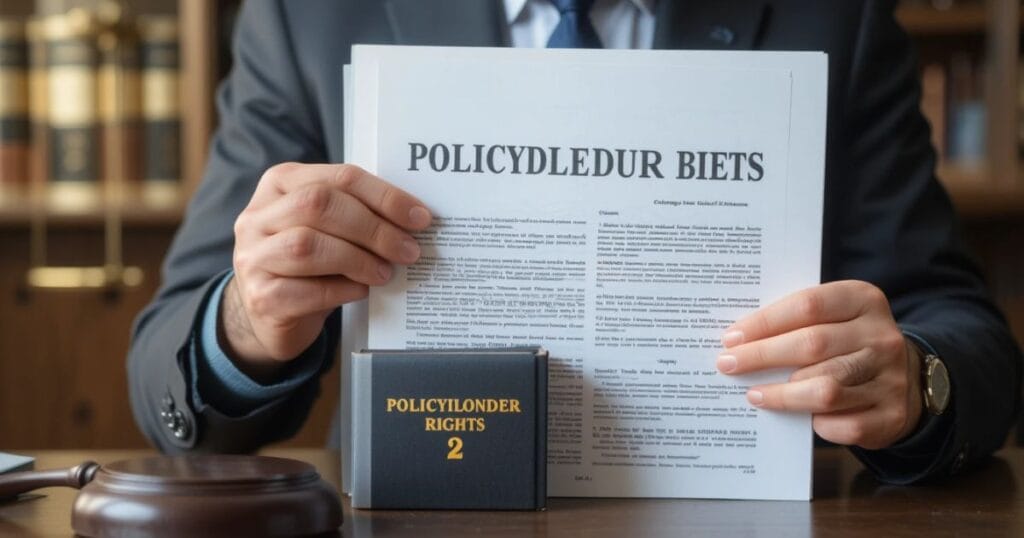
Many people don’t realize they have strong legal protection during a claim. You have the rights of policyholders during insurance claim which include the right to refuse recorded statements, the right to request everything in writing, and the right to question any offer given to you. You are not legally required to accept the first number they offer.
It is also important to know what are your rights against insurance adjusters if the company acts unfairly. If they delay payment, offer far below the real value, or pressure you to settle fast, you can challenge them legally. You have the right to hire a home insurance attorney or legal expert if conversations become abusive or manipulative.
Common Tricks and Tactics Insurance Adjusters Use Against You

Many adjusters use psychological pressure to make you panic or assume your claim is weak. They may act friendly, ask leading questions, or pretend certain damages are not covered. Some even delay communication so you become desperate. These are known as insurance company bad faith tactics.
One common trick is the insurance adjuster lowball settlement offer — they act like it’s generous just to see if you will accept immediately. Others might ask confusing questions hoping you say something that reduces your payout amount. Staying calm and confident is the best way to break this strategy.
The Dos and Don’ts of Talking to Insurance Adjusters

Always stay calm and professional when speaking with an adjuster. Do not argue emotionally or speak without thinking, especially in the early stages. Do request everything in writing, do take detailed notes of every phone call, and do ask them to repeat anything that sounds confusing. This helps avoid misunderstandings and builds evidence.
Don’t admit fault, guess, or exaggerate any detail. Don’t give recorded statements unless you are fully prepared, and never share personal opinions — only facts. These simple boundaries prevent mistakes that may weaken your claim or be used against you later.
What Information You Should — and Should NOT — Share
You should only share verified facts — date of damage, type of loss, items affected, and costs supported by evidence required for property insurance claim such as repair estimates or photos. Stick to factual damage reports, not emotional explanations. Every word matters.
You should NOT share medical history unrelated to the incident, financial struggles, or personal reasons for urgency. The insurance company will use anything to downplay your compensation. They may even ask trick questions just to weaken evidence or twist your words.
Secret Delay & Pressure Strategies Used by Adjusters

Insurance companies often create silent pressure by delaying communication, making you panic into accepting less. They may say they need “more evaluation” or “internal approval.” This is not always true — it is a timing trap. They know many homeowners give up.
Some will use psychological tactics like reminding you repairs will get more expensive if you wait, or claiming your insurance company delaying my claim is “normal.” It is not. You are allowed to demand written reasoning for every delay.
How to Negotiate Strongly Without Hurting Your Claim

Always negotiate confidently while staying professional. Begin by rejecting any insurance adjuster lowball settlement politely and provide written evidence that proves its inaccuracy. Never threaten emotionally — use documented facts.
List your evidence required for property insurance claim, including contractor estimates, inspection photos, expert appraisals, and insurance policy section screenshots. You are not begging — you are lawfully asserting value.
When You Should Escalate or Refuse to Cooperate Further
If your insurance adjuster trying to undervalue my claim continues even after evidence is provided, you are not obligated to accept. You can legally refuse to proceed until they explain their valuation in writing. This is your right, not aggression.
Escalate when they ignore proof, dismiss licensed contractor estimates, or begin pushing for a fast signature. That likely means they know their offer is weak. Do not apologize for protecting your financial loss.
Signs You Need a Public Adjuster or Insurance Attorney
You should hire a home insurance attorney or licensed public adjuster if the insurer is repeatedly avoiding written answers, misrepresenting your policy language, or using insurance company bad faith tactics. If you feel pressured or confused — that is already a danger sign.
If you are asking, do I need a lawyer for insurance settlement? — the answer is usually yes when real money is at risk. Attorneys can legally force fair valuation and expose hidden policy protections you may not even know exist.
Steps to Maximize Your Home or Auto Insurance Settlement

To maximize homeowners insurance payout, you must treat your claim like a legal and financial negotiation from day one. Start by documenting everything — photos, date-stamped videos, receipts, contractor evaluations, and policy coverage sections. This proof becomes your leverage when negotiating final numbers.
Follow the insurance settlement counteroffer process in writing only. Never accept verbal promises. Always ask adjusters to confirm valuations, damage exclusions, and calculations in official written format. Written proof exposes mistakes and blocks manipulation.
Mistakes People Make That Lead to Claim Denial or Underpayment
People lose thousands by accepting the first offer or failing to gather evidence required for property insurance claim before speaking to any adjuster. Many speak casually, accidentally minimizing damage or admitting uncertainty — which is later used against them.
A major mistake is not challenging improper depreciation, unclear exclusions, or refusing to how to challenge insurance settlement when something feels unfair. Silence is not professionalism — it is financial surrender.
How Long the Insurance Claim Process Really Takes (Timeline Guide)
Understanding the exact timeline helps you stay prepared. Insurance claims usually move through stages — initial reporting, inspection, evaluation, negotiation, and final payout. Most simple claims finish within 30 to 60 days, but complex home or business claims may take 90 days or longer, especially if the insurance company adds delays.
Each state has legal deadlines that insurance companies must follow. For example, many states require insurers to acknowledge your claim within 14 days and provide a decision within 30 to 45 days. If the insurer keeps stalling without proper reason, it could be an insurance company bad faith tactic and you can legally escalate the matter.
Final Advice: Protecting Yourself and Getting the Compensation You Deserve
Always assume the adjuster is trained to reduce your payout, not maximize it. Stay organized, track every document, and do not rush into accepting anything. If you ever feel unsure, do I need a lawyer for insurance settlement, the answer is yes — legal guidance can prevent major financial loss.
The strongest policyholders are the ones who document everything, respond professionally, and push back with facts — not emotion. If the insurance company continues to delay, undervalue, or pressure you, it’s time to escalate, file a formal complaint, and hire a home insurance attorney to fight for the payout you truly deserve.
Understanding the Real Mindset of Insurance Adjusters (Foundation Before Everything)
Most people make the mistake of assuming an insurance adjuster is there to help. In reality, they work for the insurance company, not for you. Their internal goal is simple — settle the claim for as little money as possible while sounding polite and “professional.” That’s why being underprepared is the most expensive mistake a policyholder can make.
Think of the process like negotiation, not customer service. If you walk in casual and trusting, they win. If you walk in organized, emotionally calm, evidence-ready, they pay attention. This shift in mindset alone instantly changes how the adjuster treats you. The more they sense you are confident and informed, the more respectfully they respond. It’s psychological — not emotional — power.
How to Professionally Communicate With a Car Insurance Adjuster
The first conversation with a car insurance adjuster is extremely important. The words you choose, your tone, and how much information you reveal can directly affect your compensation. Adjusters are trained to sound polite and helpful — but their job is to collect information that reduces the payout, not to support your financial recovery.
This is why your first goal is not to tell your full story — your first goal is simply to confirm basic facts, stay confident, and avoid admitting fault in any form.
Here’s how to do it properly.
What You SHOULD Say
You are allowed — and expected — to confirm only neutral, undeniable facts:
Your name & contact — “Yes, this is Muhammad Maaz speaking.”
Time and location of accident — “The accident occurred on October 20th, near Main Street.”
Type of vehicle — “I was driving a Honda City.”
I am still in the process of assessing everything — very important line.
I will provide full details after reviewing everything and speaking with my advisor — this protects you legally.
What You Should NOT Say (Avoid These At All Costs)
Most people accidentally say things that destroy their claim.
“It might have been my fault.”
“I didn’t see the other driver until last second.”
“I’m feeling better now.” (even if true — never say this)
“I was a bit tired / in a rush.”
“Maybe I could have slowed down.”
Giving a recorded statement immediately — NEVER say yes to this.
Remember: Anything you say can and will be used against you, even a single apologetic or uncertain sentence.
How Insurance Adjusters Psychologically Trick You (Their Hidden Tactics You Must Know)
An average person thinks the adjuster is just doing their job, but the truth is — they are trained in psychology, legal loopholes, and strategic questioning designed to reduce your payout.
Here are the most common manipulation techniques they use:
1. “Friendly Conversation” Trap
They will act extremely polite and casual — almost like a friend.
They may say things like:
“Hey, don’t worry, I’m just trying to help you.”
“This is just a routine process.”
“It’s better if we close this quickly — so it doesn’t get messy.”
Reality: They speak friendly to make you relax → and then extract words they can use against you.
2. Forcing “Yes or No” Questions
They’ll ask questions that force you into admitting fault, even slightly.
Examples:
“So you didn’t see him coming, right?”
“You must have been driving fast, correct?”
“It happened suddenly, so you couldn’t control the car?”
Even if you slightly agree — they record that as your admission of fault.
3. Offering Quick but Low Settlement
They might suddenly offer you quick cash like this:
“You know what, I can speed this up — I can get you $1,200 today if we close this before it becomes a legal mess.”
This is a trap.
Most people accept this due to stress, not knowing that true compensation could be $10,000 or more.
4. Pretending They Already Know Everything
They will speak as if they already have full understanding of the accident.
“Yeah, we checked the footage — looks like it was a 50-50 fault situation.”
“Based on our report, both drivers are partially responsible.”
Truth: They do not legally decide this — but they try to make you believe it’s already decided.
Critical Documents & Evidence You MUST Collect Before Talking to Any Insurance Adjuster
If you speak to the adjuster before collecting proper proof — you automatically weaken your claim.
Adjusters get paid to reduce your payout, not to help you.
That’s why before talking to them, you need to prepare your “insurance defense file”.
Here’s what should be inside it:
Mandatory Evidence Checklist
| Type | Examples | Why It Matters |
| Damage Proof | Photos/videos of car, property, surroundings | Shows scale of loss instantly, stops adjuster from undervaluing |
| Injury Proof | Hospital report, doctor notes, medication bills | Strongest legal weapon if medical complications occur later |
| Witness Support | Contact numbers, audio or written statements | Makes it legally risky for adjuster to twist facts |
| Repair / Restoration Estimates | Independent contractor or mechanic report | Prevents adjuster from offering lowball settlement |
| Police / Incident Report | FIR, 911 report, authority report | Considered strongest unbiased evidence by law |
| Proof of Ownership & Value | Car / Home papers, receipts, warranty documents | Necessary for property damage insurance negotiation |
Bonus Evidence If You Want Maximum Payout
Most people don’t do this — but lawyers always do — because it forces the insurance company to take you seriously.
Before vs After damage comparison photos (if available online or from old albums)
Screenshots of weather, flooding, or natural event reports (proof it wasn’t your fault)
Quotes from two different contractors / workshops (so they cannot force a cheap one on you)
Timeline of events (written in simple bullet points) — helps you stay logically sharp during call
What to Say — and What NOT to Say — on Your First Call with the Insurance Adjuster
This is the most dangerous moment of your insurance claim process.
One wrong sentence here — and your entire claim can be undervalued, delayed, or even denied.
Adjusters record every word you say and look for mistakes to use against you.
Golden Rules Before Speaking
Do NOT admit fault (even by accident — “I think I might have…” is dangerous).
Do NOT confirm you are “okay” — medical issues can appear days later.
Do NOT estimate damages or give repair cost guesses. You’re not a contractor.
Do NOT give a recorded statement — unless legally compelled or lawyer present.
Do NOT accept responsibility — even partially.
Do NOT talk about “your financial weakness” or “urgency for money.”
Safe and Smart Phrases to Say Instead
You don’t have to fight — you just have to stay neutral and professional.
Here are safe reply structures used by professionals and attorneys:
“I’m still collecting evidence and consulting professionals before giving any official statement.”
“At this time, I can confirm the incident happened, but I cannot discuss fault or injuries yet.”
“I prefer to review your questions in writing before giving recorded answers.”
“I will not estimate any financial damage without a professional inspection first.”
CAUTION — NEVER USE THESE SENTENCES (They Kill Your Claim)
“I’m fine now, no major injuries.”
“Maybe it was partly my fault.”
“I think the repair might cost around ______.”
“Yes, go ahead, record the call.”
“I just want to close this fast — any amount is okay.”
Conclusion
Dealing with an insurance claims adjuster is never just paperwork — it is a financial battle where preparation, documentation, and knowledge decide who wins. The adjuster’s job is to save the company money, while your goal is to protect your home, vehicle, or business from financial loss. When you stay organized, respond confidently, record every interaction, and never accept a lowball insurance settlement offer without challenge, you regain control of the process.
If you ever feel overwhelmed or sense insurance adjuster trying to undervalue my claim, do not hesitate to hire a home insurance attorney or a trusted public adjuster. The earlier you step in with strategy, the higher your chances to maximize homeowners insurance payout. Your rights are legally protected — but only if you are willing to assert them. Stay calm, stay smart, and never accept less than what you rightfully deserve.
FAQS
| Question | Answers |
| Should I talk to the insurance adjuster immediately after the accident? | No. ONLY confirm basic facts. Do NOT discuss fault, injuries, or accept a recorded statement early. |
| Can I refuse a recorded statement from the adjuster? | Yes. You are legally allowed to refuse and request all questions in writing first. |
| What are the biggest mistakes people make? | Admitting fault, saying “I’m fine,” guessing damage cost, sounding desperate, or accepting quick low offers. |
| What if I get a lowball settlement offer? | You can decline politely and ask for a written explanation and detailed breakdown before responding. |
| Can the insurance company delay my claim on purpose? | Yes — it’s a common bad faith tactic. You can escalate, file a complaint, or involve a lawyer. |
| Do I need a lawyer for insurance settlements? | Not always, but it becomes l essentiaif you see delay, pressure, unfair offer, or intimidation. |
| If I accidentally admitted fault earlier — am I done? | No. Stop communication immediately and bring a public adjuster or attorney to correct the situation. |
| How to be a good claims adjuster? | Build strong communication skills, stay detail-oriented, and remain neutral while protecting the insurer’s financial interests. |
| What are the 3 D’s of insurance claims? | Delay, Deny, and Defend — common tactics used by insurance companies to reduce payouts. |
| How stressful is an insurance adjuster? | It’s considered a high-stress career due to heavy caseloads, emotional customers, and time pressure. |
| What tactics do claim adjusters use? | They delay processing, pressure for quick settlements, downplay damages, and look for statements to reduce payout. |
| What are the 4 stages of insurance claims? | Filing the claim → Investigation → Negotiation → Settlement or denial. |
| What are the three different types of claim denials? | Soft denial, hard denial, and technical denial (documentation or policy issue). |
| What are the three most common mistakes on a claim that will cause denials? | Missing documents, admitting fault, and giving unclear or inconsistent statements. |
| How many types of claims are there in insurance? | Generally four main types: property, liability, health, and auto insurance claims. |
| What are the four types of claims in insurance pdf? | Property claims, liability claims, life insurance claims, and health/medical claims. |
| What is the highest paid adjuster? | Catastrophe (CAT) adjusters are the highest paid — often earning $100K–$300K+ per year, especially during disaster seasons. |
Explore more Articles
How to Deal with Car Insurance Adjusters
How to Deal with Auto Insurance Claims Adjusters
How to Deal with Insurance Adjuster (Complete Guide 2025)

Muhammad Maaz, founder of InjuyCrashGuide.com — sharing simple, real-life accident and insurance guidance to help people stay informed and protected.