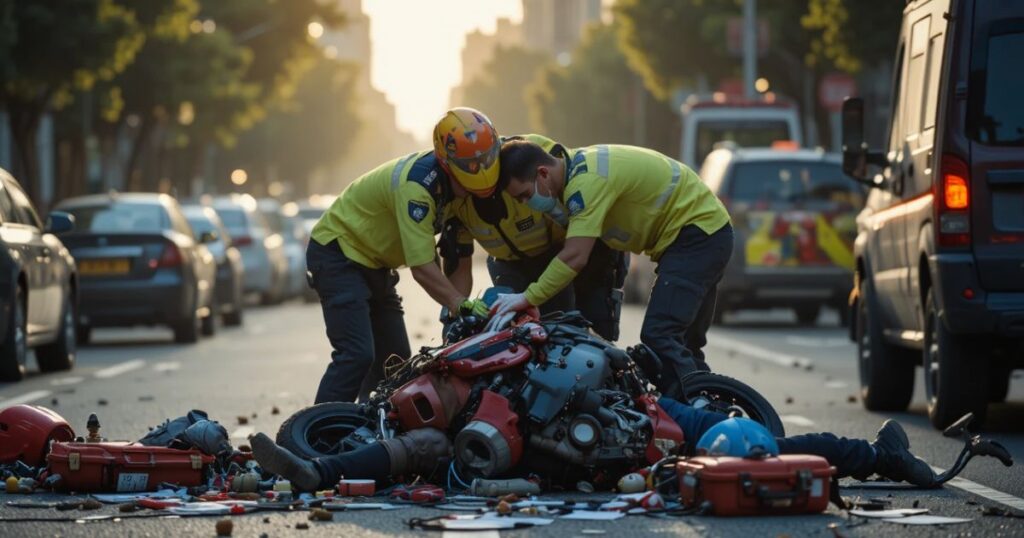
Motorcycle crashes often create damage the eye can’t see. Many victims walk away believing they’re fine, but internal injuries from motorcycle accident events can grow into life-ending conditions within minutes. Riders face hidden threats like internal bleeding, organ damage, thoracic trauma, and severe abdominal trauma that demand urgent care. These invisible wounds explain why so many motorcycle riders underestimate the real danger lurking beneath the surface after a crash. Even mild discomfort or a small bruise can signal life-threatening internal damage, especially when crash force and rider ejection impact occur at high speed.
The aftermath of motorcycle accident trauma differs from car crashes. Without a metal shell, airbags, or seatbelts, a rider absorbs every ounce of impact. This makes internal injuries caused by motorcycle accidents far more deadly than external wounds like motorcycle road rash treatment injuries. Hidden trauma such as intracranial hemorrhage, brain bleeding, collapsed lung, ruptured spleen, kidney trauma, bruised kidneys, pancreas injury, and soft-tissue trauma often appear hours after the collision. These delayed internal injury symptoms mislead victims into skipping prompt medical attention, which causes motorcycle crash complications that spiral rapidly.
What Are Internal Injuries After a Motorcycle Accident?
Internal injuries are damage that occurs inside the body and cannot be seen from the outside. They include internal organ trauma, bleeding within body cavities, tissue tearing, vessel ruptures, and injuries such as accident-related organ damage. These injuries often happen during high-impact crashes when a rider hits the road surface or another vehicle. Many motorcycle collision trauma cases involve bleeding around the brain, chest, or abdomen, which can lead to organ failure without immediate treatment.
Understanding internal injuries means recognizing how vulnerable the human body becomes during sudden motorcyclist impact. The force of a crash pushes the chest and abdomen against hard surfaces like handlebars, fuel tanks, or the asphalt. This can trigger liver injury, spleen rupture, punctured lung, and kidney failure before symptoms even appear. Because internal injuries hide beneath the skin, victims rely on proper medical diagnosis after crash, including CT scan, MRIs, and trauma care evaluations that detect damage early.
Why Internal Injuries Are More Dangerous Than External Trauma
Internal trauma is more dangerous because it cannot be seen and is often masked by adrenaline. Riders may feel only minor discomfort while bleeding continues inside the body. This kind of delayed discomfort tricks victims into ignoring symptoms until it becomes too late. Injuries such as intracranial hemorrhage, abdominal bleeding, or chest trauma may not trigger immediate pain, which increases the risk of sudden collapse.
External wounds are usually obvious, but internal damage grows silently. That is why emergency response teams insist on rapid ambulance transport after high-impact crashes. Internal damage becomes more deadly when riders don’t realize the danger. Conditions like thoracic trauma, organ rupture, and internal bleeding diagnosis often require immediate surgical intervention. Without this help, small internal tears can turn into catastrophic injuries within minutes.
Common Causes of Internal Injuries in Motorcycle Accidents
Most internal injuries occur due to blunt force impacts. When a rider hits another vehicle, the ground, or is thrown into the air, the sudden crash force shoves organs against bones. This leads to motorcycle impact injuries such as ruptured spleens, torn kidneys, broken ribs, and chest cavity bleeding. Side impacts often cause severe two-wheeler collision health risks, crushing the ribs and damaging the lungs.
Many USA cases involve distracted drivers striking motorcyclists at intersections. These side-impact collisions generate intense accident trauma, leading to crash-related internal harm and massive bleeding. Riders who go through rider ejection impact may also experience road impact injury patterns, especially if they land on their chest or abdomen. These impacts are responsible for large numbers of common motorcycle accident injuries in emergency rooms nationwide.
Early Warning Signs & Symptoms of Internal Injuries

Early symptoms often look mild. Riders may experience dizziness, mild abdominal aches, chest tightness, or unusual fatigue. These symptoms may indicate injury symptoms related to internal bleeding or organ pressure. Many victims ignore them due to adrenaline or shock. Hours later, fainting, confusion, or shallow breathing appear as delayed symptoms, showing how dangerous the situation has become.
More severe indicators include swelling, sharp chest pressure, bruising along the ribs, dark urine, or sudden weakness. These can point to respiratory issues, circulation problems, or emerging organ failure. If left untreated, these signs lead to collapse or coma. Doctors use accurate diagnosis tools like blood pressure monitoring, imaging, and energy-based scans to catch early internal damage.
Internal Bleeding After a Motorcycle Accident
Internal bleeding is one of the most severe outcomes of a motorcycle crash. Bleeding inside the chest or abdomen can fill these cavities with blood, limiting lung expansion or pressing against vital organs. This type of internal bleeding may remain hidden until the body starts showing shock symptoms like pale skin, low blood pressure, or confusion. Many victims of motorcycle crash internal bleeding require immediate surgery.
Bleeding around the brain is especially dangerous. A small intracranial hemorrhage or brain bleeding can create intense pressure inside the skull. Without fast medical help, victims may lose consciousness or suffer permanent neurological disability. These cases often require intensive monitoring and rapid emergency medical treatment to prevent long-term brain injury.
Organ Damage & Internal Organ Injuries
Many crashes result in severe organ injury. The liver is one of the most frequently damaged internal organs due to its size and position. A liver injury can cause heavy bleeding that fills the abdominal cavity. The spleen is another commonly injured organ because it ruptures easily when struck, causing a sudden spleen rupture or ruptured spleen that demands immediate surgery.
Kidneys are also vulnerable. A bruised kidney or kidney trauma can cause back pain, bloody urine, or kidney shutdown in severe cases. Pancreatic damage is less common but extremely dangerous. A pancreas injury releases digestive enzymes that begin destroying surrounding tissue. These injuries show how serious internal organ trauma becomes when left untreated.
Hollow Organ Injuries (Stomach, Intestines, Bladder)
Hollow organ injuries occur when blunt force squeezes or punctures the stomach, intestines, or bladder. These injuries allow fluids, acids, or bacteria to leak into the abdominal cavity, causing massive infection. They are especially common during high-speed crashes or intense motorcycle crash impact injuries where handlebars strike the abdomen.
Leaking intestinal fluid causes a deadly infection called peritonitis. Riders often mistake early abdominal discomfort for harmless soreness, but this is one of the most dangerous motorcycle crash long-term effects. Immediate surgery is required to repair the tears and prevent fatal infection.
Blunt Force Trauma & Its Impact on Internal Organs
Blunt force trauma occurs when the body absorbs a heavy blow without skin penetration. This kind of trauma is responsible for a large number of common injuries in motorcycle accidents, including organ bruising, vessel ruptures, and chest cavity injuries. The abdomen and chest absorb most of the impact during collisions, leading to severe accident-related musculoskeletal damage.
Riders who fall on their handlebars or hit the road at high speed face intense motorcycle crash trauma symptoms such as rib fractures, collapsed lungs, abdominal tenderness, and hidden bleeding. Blunt force trauma is often worse than penetrating wounds because the damage spreads internally and remains invisible to the naked eye.
Rib Fractures, Lung Damage & Chest Internal Injuries
Broken ribs are one of the most common motorcycle accident chest injuries. A single fractured rib can puncture the lung, causing a collapsed lung, also called pneumothorax. This condition prevents normal breathing and requires emergency intervention. Rib fractures also cause severe chest trauma that leads to thoracic trauma and internal bleeding.
Lung bruising, called pulmonary contusion, often results from chest compression during impact. This type of lung injuries makes breathing painful and reduces oxygen levels. Victims often require ventilation, hospitalization, and ongoing monitoring.
Fractures That Lead to Internal Damage (Pelvis, Hip, Ribs)
Pelvic fractures often cause hidden internal bleeding because major blood vessels run through the pelvic ring. Hip fractures limit mobility and can damage surrounding tissue. These fractures account for many motorcycle accident orthopedic injuries because impact energy travels through the legs into the pelvis.
Rib fractures remain especially dangerous because they create sharp bone edges that tear soft tissue or puncture organs. Multiple rib fractures often require motorcycle crash hospitalization and long-term care due to breathing difficulties. These fractures contribute heavily to motorcycle accident fatality factors in severe crashes.
Soft Tissue Injuries & Hidden Internal Trauma
Soft tissue injuries often feel mild at first, but they hide serious danger underneath. Damage to muscles, ligaments, and connective tissues can conceal deeper soft-tissue trauma that affects internal organs. Many riders mistake early soreness for normal post-crash discomfort, though it may signal internal injuries from motorcycle crashes that slowly worsen over hours. These hidden wounds sometimes develop into swelling, internal bleeding, or pressure buildup around organs.
Soft tissue trauma also creates misleading symptoms. A rider might feel pain in one area while the real issue lies deeper, in the abdomen or chest. This misleading discomfort contributes to post-motorcycle crash recovery delays, especially when riders avoid seeking treatment. Early testing through medical evaluation and imaging scans can reveal internal tears before they become deadly. Missing these injuries often results in long-term mobility issues, nerve pain, and chronic inflammation.
The Medical Complications of Untreated Internal Injuries
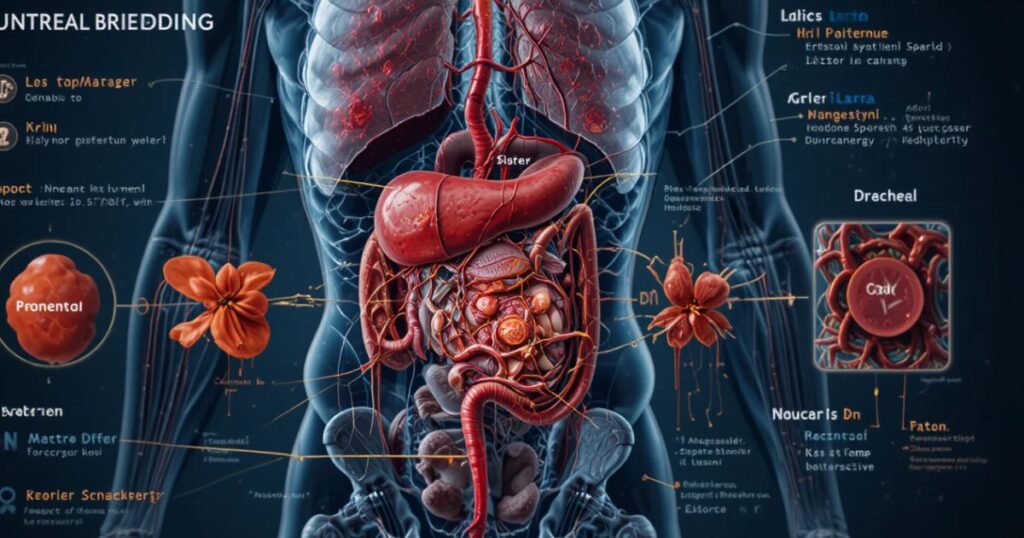
Untreated internal damage triggers dangerous motorcycle crash complications. Bleeding around organs decreases blood flow and oxygen, leading to organ failure or permanent disability. Abdominal infections from leaking hollow organs cause widespread inflammation that spreads quickly. Chest cavity injuries create respiratory issues that make breathing difficult, especially if a collapsed lung develops silently after the crash.
Other complications include widespread bruising, dangerous blood clots, internal pressure buildup, and shock. Riders may also experience neurological problems caused by brain bleeding, which often begins small before escalating into life-threatening emergencies. These conditions highlight why trauma care teams emphasize rapid intervention. Victims who ignore early symptoms risk paralysis, long-term disability, or wrongful death.
Immediate Medical Costs & Emergency Treatment
Emergency medical treatment creates significant financial strain. After a crash, victims often need ambulance transport, ER care, trauma surgery, blood transfusions, and advanced imaging such as CT scans. These procedures add up quickly, forming substantial motorcycle accident medical bills. Riders often require days or weeks of hospital intervention, especially when internal injuries require multiple surgeries or monitoring.
USA riders face steep medical expenses even with health insurance. Bills include operating room fees, specialist consultations, anesthesia costs, ICU stays, prescription medication, and long-term testing. Many victims also need assistive medical devices like breathing equipment, mobility aids, or braces. These expenses highlight the need for a strong compensation claim when victims seek financial recovery.
Long-Term Health, Financial & Emotional Damages
Long-term internal injuries cause ongoing physical and emotional hardship. Riders experience chronic pain, fatigue, nerve damage, and reduced organ function. Many also face emotional distress and anxiety caused by the psychological impact of motorcycle crashes. These long-term consequences affect families as well, especially when the injured rider can no longer work or participate in daily life.
The financial burden grows with time. Victims face lost income compensation, long-term therapy appointments, rehabilitation sessions, medication costs, and home-care support. Some riders suffer permanent disability, creating expenses tied to motorcycle accident disability claims or the need for home modifications. Families may even deal with wrongful death expenses including funeral and burial costs, which create devastating long-term hardship.
How Internal Injuries Affect Your Daily Life and Work Ability
Internal injuries make every daily activity harder. Breathing becomes difficult with chest trauma. Standing or sitting triggers abdominal pain. Simple tasks like walking or lifting objects may cause intense discomfort. These struggles impact work abilities, especially in physical jobs that require lifting, bending, or long shifts. Many riders face self-employment income loss if they cannot operate their business.
Even office workers experience challenges. Concentration declines due to chronic pain or brain injuries. Internal damage also limits mobility, forcing victims into extended leaves or modified work duties. These limitations are a major factor in determining settlement value during compensation claims. The more a crash limits a rider’s life, the higher their financial recovery should be.
How to Protect Your Health After Motorcycle Crash
The first step is seeking prompt medical attention, even if you feel fine. Internal injuries often hide behind mild symptoms. Riders must undergo a full medical diagnosis after crash, with imaging scans, blood tests, and trauma evaluations. Keeping all medical records ensures proper treatment and strengthens motorcycle accident insurance claim submissions.
After medical care, riders should document everything. Collect on-scene evidence, witness statements, accident photographs, and police reports. These records help doctors understand the force of impact and help lawyers build a strong legal case. Focus on rest, follow-up appointments, and avoiding heavy activity until cleared. Taking protective measures early prevents long-term complications and preserves legal rights.
Legal Rights of Motorcycle Accident Victims

USA motorcycle accident victims have the legal right to pursue financial recovery when someone else’s negligence caused the crash. This includes compensation for medical bills, pain and suffering, lost income, and long-term damages. Victims must also protect themselves from unfair insurance company tactics, as insurers often minimize claim value or deny injuries.
Victims maintain the right to hire a personal injury attorney who understands motorcycle crash injuries and complex personal injury law. Legal professionals help secure medical records, evaluate damages, gather evidence, and negotiate better outcomes. Riders injured in the Midwest can seek help from Midwest motorcycle crash attorneys, including Wisconsin attorneys, Illinois attorneys, and Iowa attorneys.
How to File a Motorcycle Accident Injury Claim
Filing a claim requires several steps. First, gather medical records, accident evidence, police reports, and witness statements. These items support your motorcycle accident lawsuit guide and prove the severity of your internal injuries. Next, your lawyer will submit documentation to the insurer and begin insurance settlement negotiations.
In some cases, victims must file a formal motorcycle accident lawsuit if negotiations fail. This begins the legal recovery process, where evidence is analyzed, injuries are documented, and expert testimony is collected. Lawyers work with specialists in accident reconstruction, medical evaluation, and damage valuation to build a strong case.
Compensation You Can Recover for Internal Injuries
Victims of severe internal injuries may recover compensation for various economic and non-economic losses. These include motorcycle accident medical expenses, lost wages, future lost earnings, long-term therapy costs, and household assistance expenses. Emotional damages such as pain and suffering damages and emotional suffering are also recoverable.
Families of deceased riders may pursue wrongful death expenses, including funeral costs and emotional damages. When internal injuries cause permanent disability, victims can recover additional compensation for long-term care, modifications to living spaces, and rehabilitation therapy. Many internal injury claims result in significant payouts because of the serious nature of accident-related organ damage.
How a Motorcycle Accident Lawyer Can Help You

A skilled lawyer protects your rights, handles paperwork, manages insurers, and fights for maximum recovery. An experienced motorcycle accident lawyer understands how internal injuries develop and how insurers try to downplay them. They gather medical documentation, coordinate with specialists, and communicate with insurance adjusters to ensure a fair settlement.
The best lawyers provide trusted legal guidance, negotiate aggressively, and prepare for court litigation when necessary. They aim for proven results and a fair verdict, ensuring riders get the compensation they deserve. Midwest victims can count on Wisconsin motorcycle injury attorneys, Illinois motorcycle injury attorneys, and Iowa motorcycle injury attorneys for regional representation.
What to Do If You Cannot Visit the Law Office (Home & Hospital Visits)
Many riders with internal injuries cannot travel due to pain, limited mobility, or hospitalization. Law firms offer home and hospital visits to help victims begin their legal action without leaving their beds. A lawyer can collect signatures, review documents, and gather details right at the victim’s location.
Teleconferencing options, remote consultations, and mobile legal teams allow victims to start their legal consultation immediately. This ensures no deadlines are missed and that victims receive quick help with insurance claims, documentation, and legal filings. Many firms also offer a free consultation or no-obligation evaluation to injured riders.
About Internal Injuries from Motorcycle Accidents
Victims often wonder how long symptoms take to appear, how dangerous internal injuries are, or whether insurance will cover all costs. Many ask about the link between motorcycle accident head trauma, internal bleeding, and long-term disability. Riders also want to know whether they can file a claim without visible injuries or how a lawyer proves internal damage.
Legal and medical experts explain that motorcycle crash brain injury, abdominal trauma, and chest injuries are among the most severe. Riders should always seek help immediately, even if they feel fine. Internal injuries can take hours or days to show symptoms, so early diagnosis is essential for survival and legal recovery.
FAQs
1. Can a motorcycle accident cause internal bleeding?
Yes, motorcycle accidents can cause severe internal bleeding due to blunt-force trauma, organ damage, or hidden injuries. Internal bleeding often has no immediate symptoms, making emergency medical care essential.
2. What happens to the body after a motorcycle accident?
After a motorcycle crash, the body may experience internal injuries, fractures, soft-tissue damage, or organ trauma. Even if symptoms seem mild, hidden injuries can develop hours later and require urgent evaluation.
3. What are the symptoms of internal injury after an accident?
Common symptoms include abdominal pain, dizziness, vomiting, bruising, shortness of breath, or low blood pressure. Any of these signs after a motorcycle accident may indicate internal bleeding or organ damage.
4. What is the most common injury in a motorcycle crash?
The most common motorcycle accident injuries are fractures, head injuries, and road rash, followed closely by internal injuries due to direct impact or being thrown from the bike.
5. Which part of the body is most affected in motorcycle accidents?
The legs and lower extremities are most affected in motorcycle accidents, including fractures, soft-tissue damage, and crushing injuries. However, chest and abdominal trauma often lead to serious internal injuries.
6. What is the 4-second rule for motorcycles?
The 4-second rule means riders should maintain at least a four-second gap behind the vehicle in front to ensure safe braking distance and avoid collisions, especially at high speeds.
Contact a Personal Injury Attorney for Free Consultation
If you or a loved one suffered injuries from motorcycle accident trauma, contact a personal injury attorney today. You deserve compensation for your medical losses, emotional suffering, and long-term hardships. Skilled lawyers with proven success guide you through every step of the legal recovery after motorcycle accident.
Most firms offer a free consultation, and many work on a contingency fee, meaning you don’t pay unless they win your case. Whether you need help in Wisconsin, Illinois, Iowa, or anywhere in the Midwest, Midwest motorcycle accident lawyers will help you fight for fair compensation recovery and long-term financial support.
Disclaimer
This informational blog is authored by Muhammad Maaz.
All content in this article is provided for educational and informational purposes only. It should not be taken as medical advice, legal advice, or a substitute for professional consultation. Motorcycle accidents, internal injuries, legal claims, and medical conditions vary from case to case, and readers should always seek qualified medical professionals, personal injury attorneys, or motorcycle accident lawyers for accurate diagnosis, legal guidance, and representation.
The author and publisher are not responsible for any actions taken based on the information provided in this blog.
Common Hand and Wrist Injuries from Motorcycle Accidents

Common hand and wrist injuries from motorcycle accidents are among the most frequently treated injuries in emergency rooms across the United States. When a motorcycle crash occurs, riders are often thrown from the bike, and the hands and wrists absorb the initial impact as the rider instinctively tries to brace the fall. This natural reaction…
Neck and Back Injuries From Motorcycle Accidents: Causes, Symptoms, Treatment & Legal Rights
Motorcycle riding gives freedom, speed, and independence, but it also places riders among the most vulnerable road users in the United States. When a crash occurs, the human body absorbs the full force of the impact. Because there is no protective metal frame, motorcycle crash injuries often affect the most delicate and essential parts of…
Shoulder Injury From Motorcycle Accident: Types, Treatment, Recovery & Legal Options
A shoulder injury from motorcycle accident incidents can change everything in a split second. Motorcycles offer speed and freedom, but they provide almost no protection when a crash happens. In the United States, ER doctors treating motorcycle injuries frequently see riders brought in with severe shoulder damage. The shoulder often takes the first and hardest…

Muhammad Maaz, founder of InjuyCrashGuide.com — sharing simple, real-life accident and insurance guidance to help people stay informed and protected.