
A minor injury car accident may seem insignificant at first glance, but even low-impact collisions can leave a person shaken, confused, and dealing with unexpected pain hours or even days later. Many drivers assume that if their vehicle only suffers small dents or scratches, their body must also be unharmed — yet this is often not the case. In fact, injuries such as soft tissue injuries, whiplash, and delayed body pain frequently occur in low-speed crashes because the body absorbs sudden force while the car shows minimal damage. These accidents are extremely common in parking lots, traffic signals, and slow-moving city roads, making them a daily reality for thousands of people. Understanding what qualifies as a minor accident, how symptoms appear, and why medical evaluation matters can help protect both your health and your legal rights.
Even when injuries appear mild, a minor accident can disrupt your routine, limit mobility, and create stress that affects your daily life. Many victims underestimate their symptoms, choosing to “wait it out,” but this often delays proper diagnosis and increases recovery time. Documentation, medical treatment, and awareness of low-impact collision injuries are crucial, especially when symptoms develop slowly. Insurance companies may also downplay these injuries, making it important for individuals to know how to report damage, track symptoms, and seek professional advice when needed. Whether you’re dealing with rear-end collisions, fender benders, or simple parking lot impacts, recognizing the true impact of minor crashes ensures you take the right steps toward recovery and fair compensation.
What Is Considered a Minor Car Accident?

A minor accident usually involves small vehicle damage and injuries that are not life-threatening. These crashes often happen at low speeds and cause minor car accident injuries like bruises, neck stiffness, or soft tissue damage. Even if the crash seems small, the collision impact can still hurt the muscles, ligaments, and spine.
Minor accidents usually include situations where airbags do not deploy and vehicles are still drivable. Despite being small, these crashes may still create physical symptoms that need attention, especially if diagnostic tests (X-ray, MRI, CT scan) show injuries.
Difference Between Minor and Serious Collisions
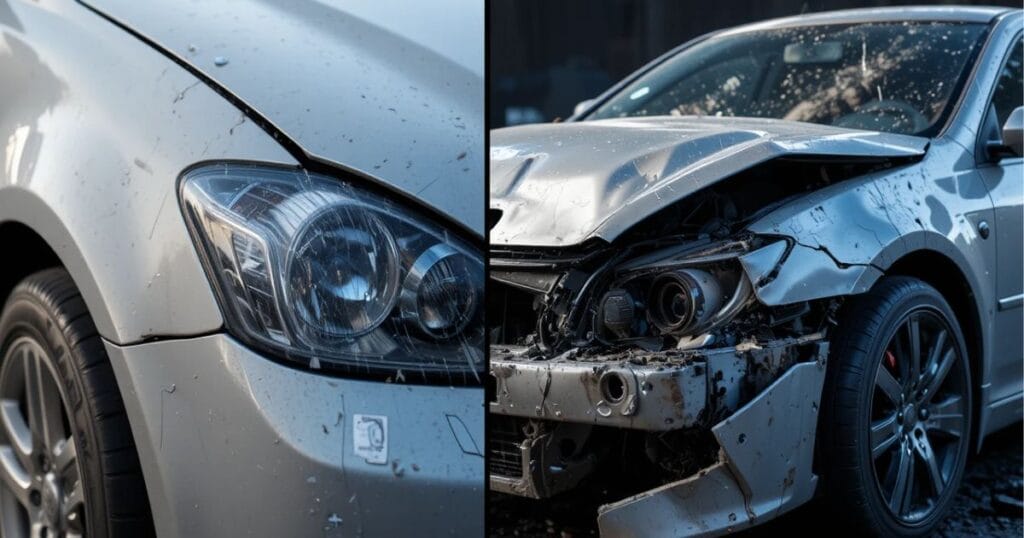
A serious collision involves heavy vehicle damage, major injuries, or emergency medical care. A minor accident usually involves light damage and smaller injuries. However, many victims confuse the two. A crash may look small, but the body absorbs the vehicle impact, which may lead to musculoskeletal injuries and whiplash injury.
The biggest difference is the degree of medical diagnosis, long-term treatment, and legal steps needed. Serious crashes often require surgery or hospital care. Minor crashes may need physical therapy, rehabilitation therapy, or chronic pain management depending on the injury.
Common Examples of Minor Car Accidents
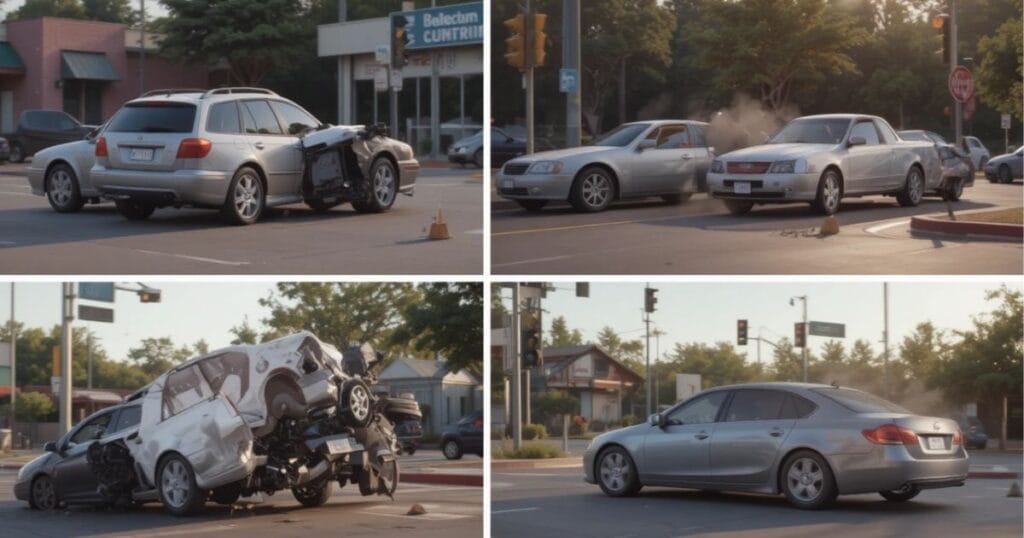
Minor accidents can happen anywhere in the USA. Many happen at traffic lights, in neighborhoods, or in crowded parking areas. Common examples include low-speed rear-end crashes, side scrapes, and small parking lot incidents.
Sometimes the vehicles show only a small scratch or dent, but the people inside may experience minor injuries from car accident such as headaches, swelling, or back pain.
Low-Speed Impacts, Parking Lot Accidents & Fender Benders
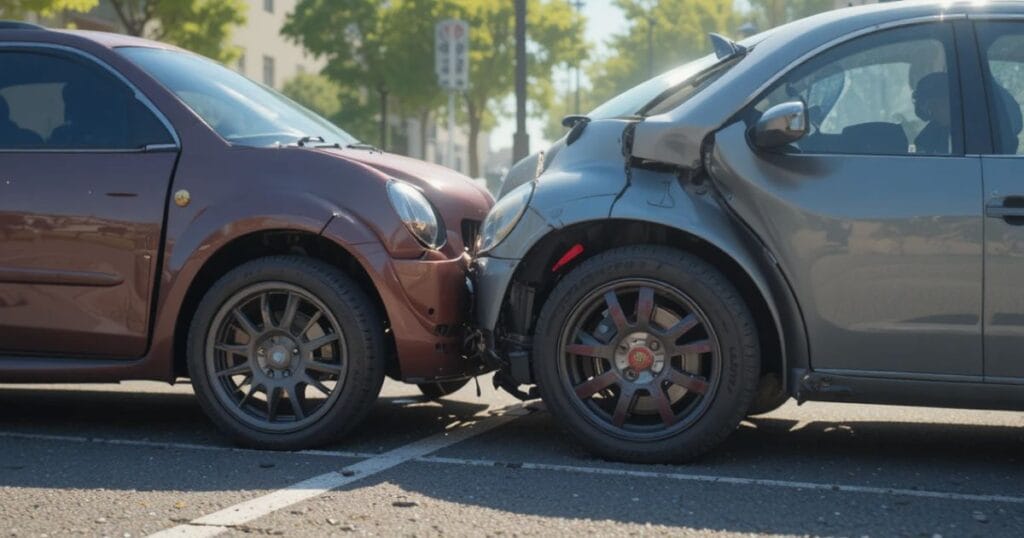
Low-speed impacts usually involve speeds under 15 mph. Parking lot accidents happen when two vehicles reverse or turn in tight spaces. Fender-benders occur in slow traffic or at stop signs. These accidents often cause fender-bender injuries, soreness, and soft tissue damage.
Even if the crash seems small, low-speed impact injuries can include ligament injury after collision, headaches, and stiffness. The body can react strongly to sudden movement, even if the vehicle damage is minor.
Are Low-Speed Accidents Always Minor?
Not always. Even at low speeds, the force transfers through the seat, neck, and spine. The sudden motion may harm internal tissues. Many people feel fine at the scene, but pain appears later due to delayed injury symptoms.
Medical research shows that low-speed crashes often create whiplash injury, shoulder strain, and back pain after minor car accident, even if the vehicle looks almost untouched.
Why Minor Collisions Can Still Cause Hidden Injuries

Hidden injuries happen because the body releases adrenaline after a crash. This hormone blocks pain for hours. Victims may walk away feeling normal but later develop stiffness, headaches, or nerve pain. These hidden injuries after minor collision often require professional medical care and verified injury documentation.
Some hidden injuries include microscopic tears in tissues, mild concussions, and soft tissue strain. These injuries may only appear on MRI for car accident injury or similar diagnostic imaging.
Most Common Minor Car Accident Injuries
Minor crashes often cause soft tissue damage, swelling, or stiffness. Many injuries do not bleed or show external marks but still impact movement. Because of this, doctors recommend medical evaluation even when the accident seems small.
Whiplash, Back Strain & Soft Tissue Injuries
Whiplash is the most common injury in a minor accident. It happens when the head moves quickly forward and backward. This causes soft tissue injuries, whiplash symptoms, and neck stiffness. Many patients report soreness lasting weeks.
Back strain is also common. A sudden twist of the spine can cause swelling, nerve irritation, or disc strain. Many victims need physical therapy or exercises to recover.
Lacerations, Bruises & Minor Concussions
Small cuts and bruises can occur from seatbelts or hitting interior surfaces. Minor concussions happen even without hitting the head. The brain can shake inside the skull during impact. These injuries may require medical diagnosis, rest, and follow-up healthcare professionals.
Hidden or Delayed Injuries After a Minor Crash
Hidden injuries often appear hours or days later. These can include headaches, numbness, dizziness, or emotional distress. Many victims ignore these signs, but ignoring them may delay recovery.
Doctors call these clinical symptoms, and they often need early treatment to prevent long-term treatment needs.
Symptoms That Don’t Appear Immediately

Some symptoms develop slowly. These include neck stiffness, tingling, fatigue, and back pressure. Many of these are signs of soft tissue damage or inflammation. Because of this, doctors recommend emergency evaluation or follow-ups even after a small crash.
Psychological Impacts of Minor Car Accidents
A minor crash can also affect the mind. Many victims experience fear while driving, sleeping problems, or anxiety. Even a small accident may cause psychological trauma or emotional shock.
Some victims develop accident-related anxiety, fear of roads, or stress in traffic. These reactions are normal unless they interfere with daily life.
Anxiety, Shock & PTSD Risks
Some people develop PTSD after minor crash. They may relive the moment, feel scared at intersections, or avoid driving. Psychological injuries are real and often require counseling or evaluation by licensed professionals.
Should You Seek Medical Attention After a Minor Accident?
Yes. Doctors recommend medical care for every crash, even if injuries feel small. Many injuries are internal and may worsen over time. A complete medical examination helps identify problems early.
A record from certified physicians also becomes important during insurance claims or legal cases.
The Role of Medical Evaluation in Small Crashes

A minor crash medical evaluation often includes X-rays, MRIs, or physical tests. Doctors look for swelling, nerve issues, fractures, and soft tissue strain. Sometimes telemedicine services are used for follow-ups.
Having early medical evidence helps with the personal injury claim, especially if symptoms grow worse later.
Why You Should Report Even a Minor Car Accident
Reporting helps protect your legal rights. Police reports document what happened, who was involved, and who may be responsible. This report becomes important when filing an insurance claim or seeking compensation.
A report also helps prove your injuries came from the accident and not another incident.
Police Report as Crucial Evidence
Police reports serve as verified sources. Insurance companies rely heavily on them. They help establish fault and support your compensation claim if needed. Reports also help your personal injury attorney understand the case better.
Do I Need to Inform My Insurance Company After a Minor Accident?
Yes. Almost all US insurance companies require reporting a collision, even if it is small. Delaying can lead to denial of your insurance claim for minor accident. Reporting early protects you from unexpected financial problems.
Most Common Causes of Minor Car Accidents
Minor accidents happen due to distraction, tailgating, low visibility, speeding in neighborhoods, or reversing without checking. The accident cause may seem small, but it still creates legal responsibility.
Statistics from Arizona Department of Transportation (ADOT) show many minor crashes happen at intersections, parking lots, and highways during slow traffic.
What To Do Immediately After a Minor Accident
First, stay calm and check for injuries. Then move to a safe area if possible. Exchange information, take photos, and call the police if needed. This protects your health and legal rights.
After the scene, seek medical help and contact your insurance company.
Step-by-Step Action Plan at the Scene

At the scene, gather names, vehicle numbers, and insurance details. Take photos of the vehicles, injuries, road conditions, and license plates. These steps help build strong evidence for car accident claim.
How to Document a Minor Car Accident Properly
Proper documentation is critical. Good records help with insurance and legal matters. Always save photos, videos, and medical records. These items help with accident documentation and claim verification.
Photos, Videos, Evidence & Witness Statements
Photos of damage, injuries, and location support your accident report. Witness statements help determine liability determination. Keep all receipts for treatment, medication, and travel.
Filing a Personal Injury Claim for a Minor Accident

A personal injury claim helps recover medical bills, lost income, and compensation for pain. Even minor injuries can disrupt work and daily life. The claim ensures you receive support to recover fully.
Medical Bills, Lost Income & Pain and Suffering
These claims include compensation for bills, therapy, suffering, and emotional stress. Many victims also include pain and suffering damages due to long-term issues.
Can I Claim Compensation for Minor Injuries?
Yes. You can receive compensation for injuries, medical care, and lost income. The amount depends on the injury, fault, and evidence. Proper documentation increases the chance of a successful claim.
How Much Are Minor Car Accident Settlements?

A settlement for minor injuries varies widely. It depends on injury type, treatment duration, and impact on daily life. Some victims receive a few thousand dollars, while others receive more depending on the case.
Factors That Affect Compensation Amount
Compensation depends on medical bills, injury severity, long-term pain, and the quality of evidence documentation. Insurance negotiations and lawyer involvement also affect the final result.
Do I Need an Attorney for a Minor Injury Car Accident?
A lawyer helps when injuries last long, fault is unclear, or insurance companies deny fair payment. Many cases benefit from early advice from a personal injury attorney.
When Hiring a Lawyer Makes a Difference
A lawyer helps with evidence, filing deadlines, and insurance negotiations. They also guide you through the settlement process and ensure you understand your legal rights after accident.
Minor vs. Serious Car Accident Injuries — Key Differences
Minor injuries heal faster and require short-term care. Serious injuries need extended treatment, surgery, or long-term therapy. The difference affects compensation, insurance claims, and legal steps.
Medical, Legal & Financial Comparison
Minor injuries may cost less but still require professional injury assessment. Serious injuries require long-term care, more evidence, and larger claims.
Insurance Considerations After a Minor Collision
Insurance companies examine fault, damage, and medical records. Quick reporting and strong documentation help protect your rights and improve claim success.
Preventative Measures to Reduce Minor Car Accidents
Safe driving habits, proper distance from other vehicles, and checking mirrors reduce minor crashes. Regular vehicle maintenance also reduces risk.
FAQS
What is the most common minor accident injury?
Whiplash is the most common. It affects the neck and upper back and often needs therapy.
Why do I feel sore after a small collision?
The body absorbs impact, causing inflammation and soft tissue strain.
Should I call the police after a minor accident?
Yes. A police report helps with insurance and legal protection.
Local Resources for Accident Victims
Hospitals, Police Stations, Fire Departments & Legal Aid
Local hospitals provide professional medical care and injury assessment. Police stations help with accident reporting. Legal aid services assist with claims, rights, and settlements.
When to Request a Free Case Evaluation
You should request an evaluation if injuries worsen, medical bills rise, or insurance refuses fair payment. A lawyer helps clarify options and protect your rights.
Final Thoughts — Minor Accidents Can Still Have Major Consequences
A minor injury car accident may seem small, but its effects can last for weeks or months. Treating injuries early, documenting everything, and understanding your rights helps protect your health and future. Even minor crashes can create minor collision consequences, long-term pain, and financial stress. Getting proper care and professional guidance ensures a smoother recovery and fair compensation.
Disclaimer
This informational blog post is created for general educational purposes only and does not provide legal or medical advice. Every accident situation is different, and readers should consult qualified licensed professionals, certified physicians, or a personal injury attorney for advice related to their specific case. The information shared in this article reflects general knowledge available at the time of writing and should not be used as a substitute for professional medical care, medical evaluation, or legal guidance.
The author, Muhammad Maaz, is not responsible for any actions taken based on the content of this article. Always seek expert consultation or emergency help when dealing with car accident injuries, insurance matters, or legal claims.
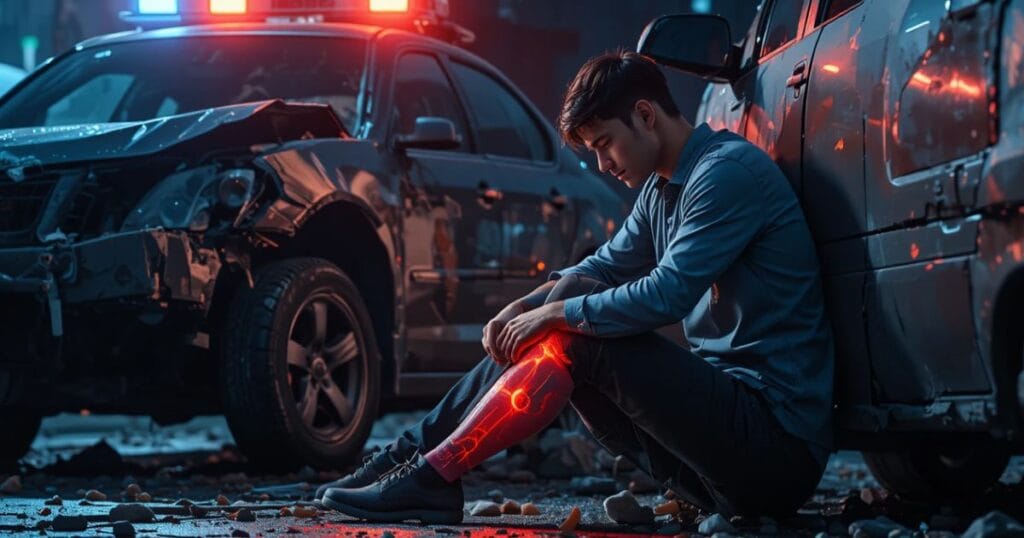
Leg Injuries From Car Accident
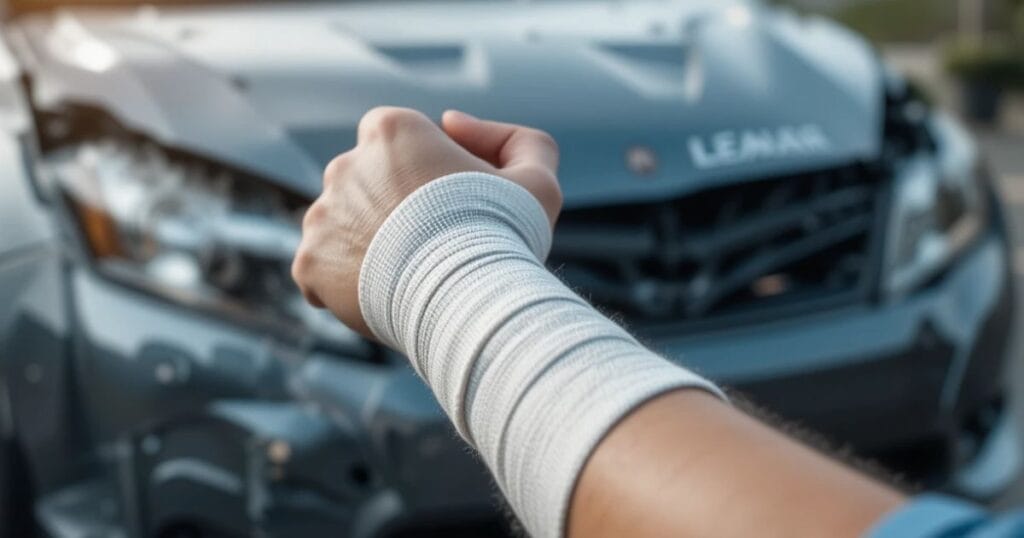
Wrist Injury from Car Accident

Muhammad Maaz, founder of InjuyCrashGuide.com — sharing simple, real-life accident and insurance guidance to help people stay informed and protected.