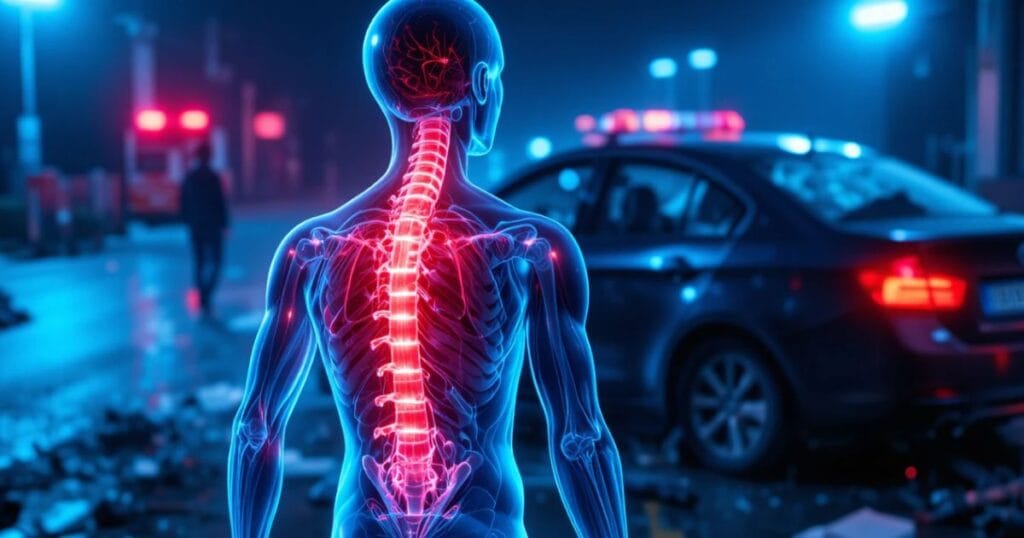
A car crash can happen in just a second, but the effects on the body can last for weeks, months, or even years. Many people believe that only high-speed collisions cause harm, but even slow impacts can lead to possible injuries, pain, and long-term problems. After a car accident, the human body absorbs sudden force that can strain muscles, damage soft tissues, and affect the spine or joints. Sometimes the pain appears immediately, but in many cases, it shows up hours or days later, making it difficult to understand how serious the injury truly is. This delay often leads people to ignore important warning signs, which can make recovery slower and more difficult.
Understanding the back injuries, hidden damage, and internal injuries that can happen after a crash is important for early treatment. Common problems like whiplash may seem minor at first, but without proper care they can turn into chronic pain, restricted movement, or nerve issues. Doctors often recommend medical imaging such as X-rays or MRI scans to detect issues that cannot be seen from the outside. Knowing the full range of possible injuries helps victims make better decisions about seeking treatment, tracking symptoms, and protecting their health. It also helps when dealing with insurance claims, medical reports, or legal support if compensation is needed.
Why Car Accident Injuries Are More Serious Than They Seem
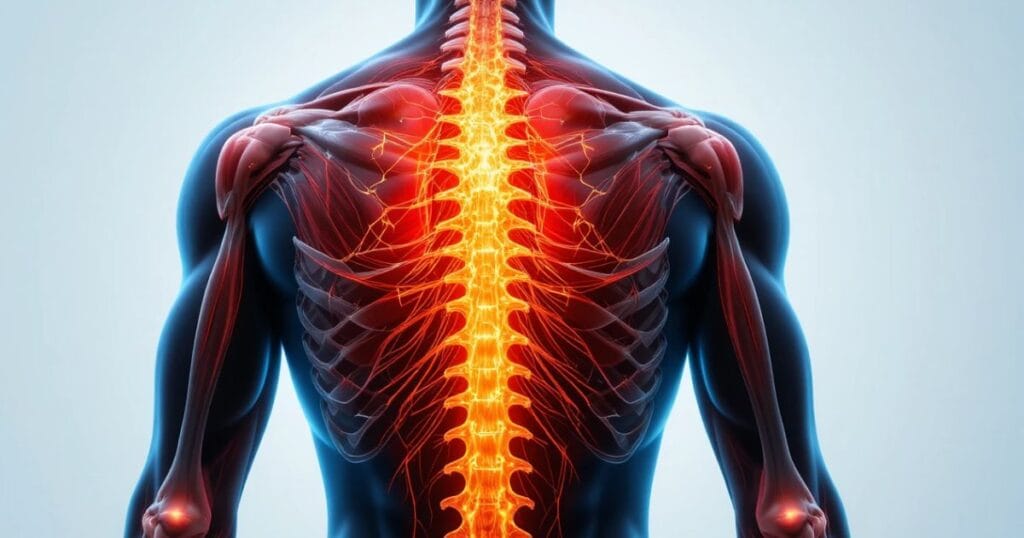
Car accidents create sudden energy transfer inside the body. When a vehicle stops instantly, the body keeps moving due to momentum. This is the moment when Trauma from sudden impact occurs, and this force can lead to neck injury, back injuries, hip injury, or even a severe possible head injury. Many victims underestimate their injuries because adrenaline hides pain during the first hours. This delay in pain can cause people to return to daily activities too soon, which increases the risk of Muscle tears and ligament damage, Joint instability, or long-term disability.
Doctors often warn patients about hidden internal injuries. These injuries may not show bruises or cuts, but they can be worse than visible wounds. Conditions like internal injuries, Nerve compression, or Spinal cord pressure can slowly progress and become dangerous if ignored. Understanding these risks helps patients seek urgent medical help and prevents future complications like chronic pain or mobility loss.
Hidden vs. Visible Injuries
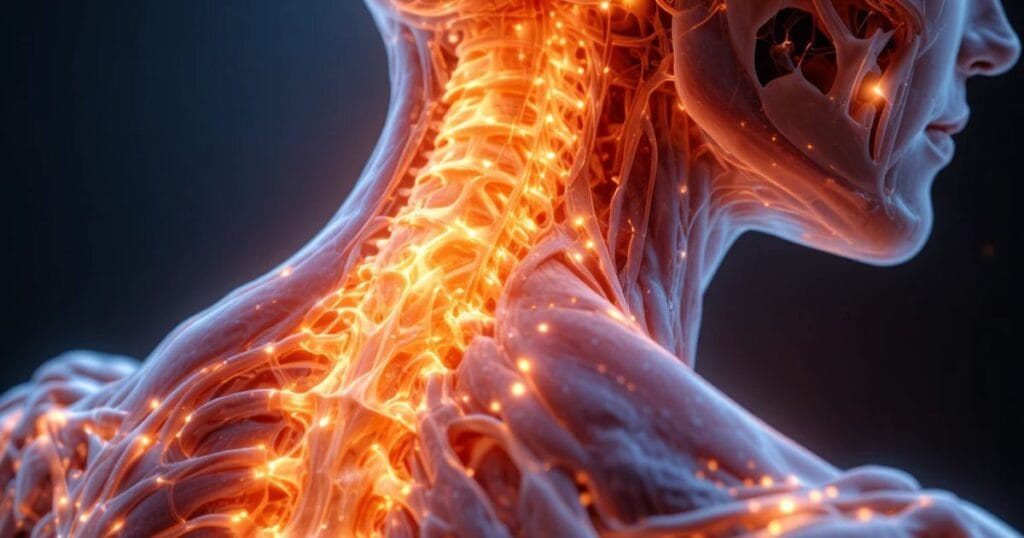
Visible injuries such as cuts, road rash abrasions, swelling, or contusions are easier to identify. However, hidden injuries like pinched nerve, Intervertebral disc damage, or Traumatic brain injury can be far more dangerous. These injuries happen deep inside the body and require Professional diagnosis through tests like plainfelid ct, ultrasound, or MRI. Many victims report feeling fine right after the crash but later develop headaches, dizziness, memory issues, or weakness. These delayed symptoms can indicate hidden damage that needs immediate care from specialized car accident injury care teams.
Hidden injuries often affect soft tissues, nerves, and organs. Without treatment, they may lead to Chronic back pain, numbness, balance issues, or long-term disability. Early testing prevents complications and supports a healthy Healing and recovery timeline.
Why Early Medical Evaluation Is Critical
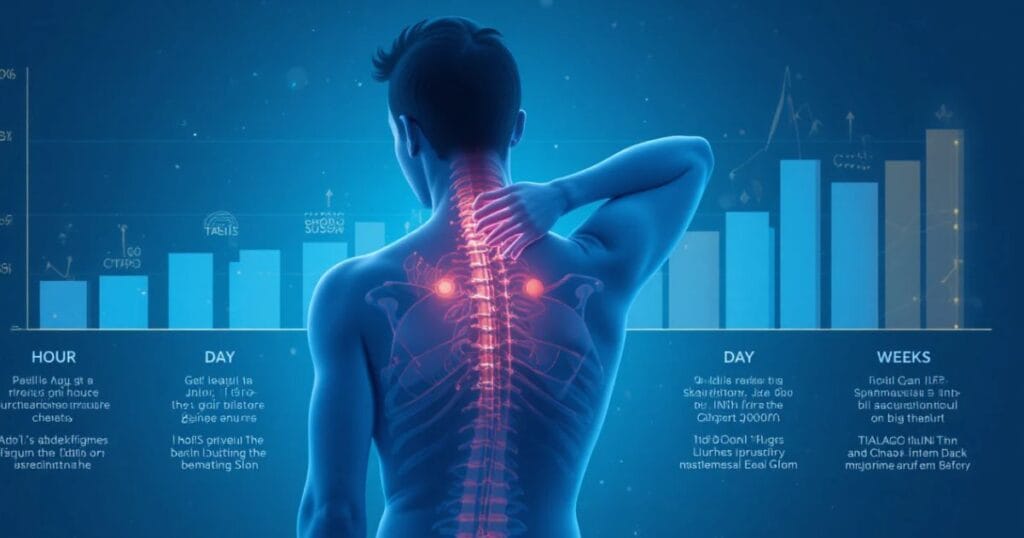
A prompt clinical evaluation helps doctors detect early signs of bodily injury, broken bones, nerve issues, or internal bleeding. Early testing also prevents wound infection risk, especially if the victim has car crash wound care needs such as deep cuts, lacerations, or bruising. Early diagnosis also supports legal cases by documenting all injuries suffered, which is useful for personal injury claims or personal injury settlements.
Patients who delay treatment risk worsening their condition. A mild Whiplash can turn into long-term shoulder and neck strain. A simple bruise can hide a fracture underneath. A small bump on the head can mask a Traumatic brain injury. Early testing with certified professionals ensures quick treatment and prevents serious health risks.
Most Common Injuries After a Car Accident

Car accidents can cause different injuries depending on speed, angle of the crash, and the condition of the victim. The most frequent injuries in the USA include soft tissue injury, bruising, fractures, and rear end car accident injuries such as Whiplash. Some victims suffer severe trauma like t bone injuries, Spinal cord injury, or organ damage. Doctors often classify these injuries from mild to severe depending on the body part affected, because the impact of collision on the body varies from case to case.
These injuries may require rest, medication, immobilization cast, or long-term physical therapy. Some patients need surgery such as Discectomy, Laminectomy, Vertebroplasty, or orthopedic surgery if the damage is severe. Understanding the most common injuries helps victims take proper action.
Traumatic Brain Injuries (TBI)

A Traumatic brain injury happens when the brain hits the inside of the skull. This can occur even without a direct blow to the head. Sudden vehicle stops create force that moves the brain rapidly, leading to swelling, memory problems, dizziness, or confusion. In severe cases, patients may lose consciousness or suffer long-term issues such as difficulty concentrating or emotional changes. Early testing with CT scans helps doctors detect bleeding or swelling inside the skull.
TBI can be life-threatening if untreated. Even a mild injury can slowly worsen, creating pressure on brain tissues. Patients must seek immediate evaluation if they experience headaches, vomiting, or blurred vision.
Concussions & Mild Head Trauma
A concussion is a form of possible head injury that affects brain function. Victims may feel foggy, tired, or sensitive to light. Many concussions occur during low-speed crashes because the head whips forward and backward rapidly. This rapid movement causes the brain to shake inside the skull. Even without visible injuries, concussions can create memory problems, sleep issues, or concentration difficulties.
Doctors may order neurological tests or CT scans to monitor the condition. Rest, hydration, and avoiding physical strain help the brain heal. Untreated concussions can lead to long-term emotional or cognitive problems.
Facial Injuries & Dental Damage
The face is one of the most exposed body parts during a crash. Victims may hit the steering wheel, dashboard, or airbag, leading to cuts, fractures, or broken teeth. Airbag injuries are common because airbags deploy with strong force. Facial injuries may cause swelling, bruising, bleeding, and difficulty chewing or speaking.
Dental injuries like cracked or knocked-out teeth often require emergency dental care. These injuries can impact appearance and daily function, making early treatment important.
Skull Fractures
A skull fracture happens when a strong blow to the head cracks the bone. This can occur from hitting the dashboard, window, or road surface. Skull fractures are serious because they may lead to internal bleeding, brain swelling, or infection. Symptoms include dizziness, loss of consciousness, or fluid leaking from the nose or ears.
Doctors often treat skull fractures with monitoring, medication, or surgery depending on severity. Immediate medical attention reduces long-term complications.
Neck Injuries and Whiplash
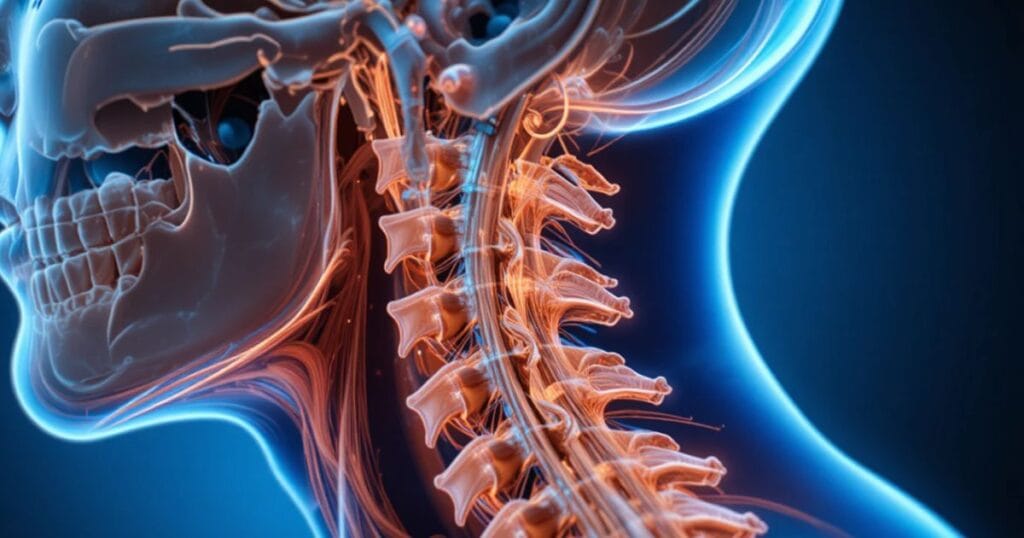
Neck injuries are extremely common in sudden impacts. When a car stops suddenly, the neck snaps forward and backward, causing Whiplash. This injury stretches neck muscles, ligaments, and nerves. Even in low-speed accidents, rear end car accident injuries can cause severe neck strain, stiffness, headaches, or dizziness. Many patients feel symptoms hours after the crash due to delayed swelling.
Whiplash can lead to long-term pain if untreated. Patients may experience shoulder and neck strain, numbness, or difficulty turning the head. Early evaluation helps prevent these issues.
Symptoms of Serious Whiplash
Whiplash symptoms include neck stiffness, headaches, shoulder pain, dizziness, or tingling in the arms. Some victims also experience memory issues or difficulty sleeping. These symptoms may indicate serious nerve stretching or Spinal cord pressure. Doctors may order imaging tests to check for dislocated vertebra, pinched nerve, or fractures.
Without treatment, symptoms can worsen and affect daily life.
What Happens if Whiplash Goes Untreated?
Untreated whiplash may lead to chronic pain and stiffness. Muscles become weak, and ligaments stay stretched, creating Joint instability. Some patients develop chronic headaches or nerve issues that affect arm movement. Long-term inflammation can also cause arthritis in the neck.
Early physical therapy helps prevent long-lasting damage.
Delayed Neck Pain After a Crash
Neck pain often appears hours or days later due to swelling. This is why delayed symptoms should never be ignored. Delayed pain may indicate serious issues like herniated discs, nerve compression, or ligament tears. Early diagnosis helps prevent permanent injury.
Spinal Cord Injuries
The spine is highly vulnerable during car accidents because of sudden twisting, bending, or compression. A Spinal cord injury can affect movement, sensation, or organ function. Even minor crashes can damage spinal discs or nerves. The spine may suffer from Vertebral compression, dislocated vertebra, or internal swelling.
These injuries require immediate medical care and often long-term rehabilitation.
Herniated & Slipped Disc
A herniated disc occurs when the soft inner portion of a spinal disc pushes out through its outer layer. This can press on nerves and cause severe pain, numbness, or weakness. Car accidents often create pressure on the lower back, causing discs to slip. Victims may feel pain while sitting, walking, or bending.
Treatment may include physical therapy, pain management, or procedures like Discectomy.
Pinched Nerves
A pinched nerve happens when tissues press against the nerve. This leads to tingling, numbness, or burning sensations. Spinal swelling or disc injuries often cause nerve compression. Without treatment, nerve damage can become permanent, affecting mobility or strength.
Doctors provide medications, rest, or therapy based on severity.
Partial or Complete Paralysis
Severe spinal cord injuries may cause loss of movement or sensation. Paralysis can affect one area of the body or spread depending on where the spinal cord is damaged. Early emergency care reduces long-term disability. Some patients require surgery or long-term rehabilitation to regain mobility.
Back Injuries
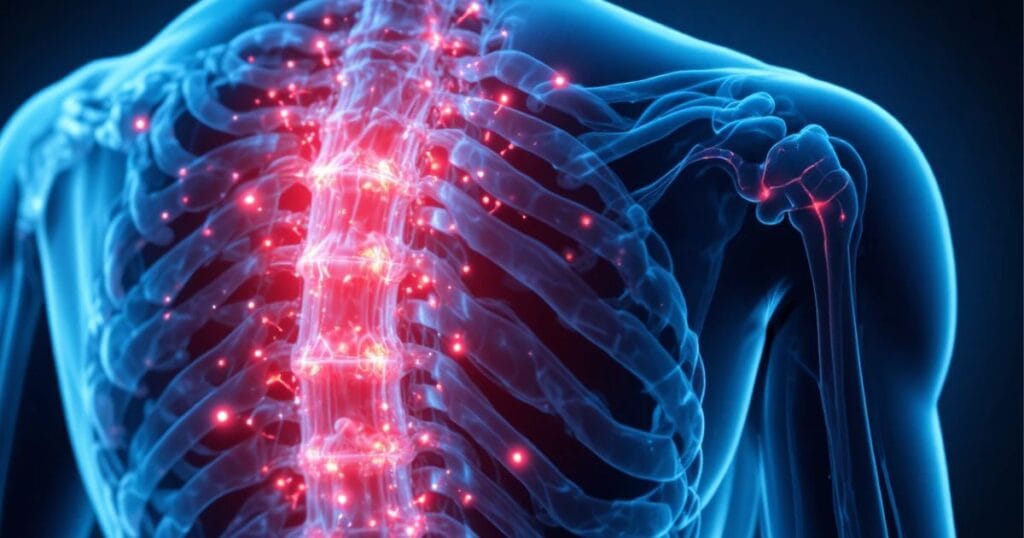
Back injuries are among the most common possible injuries from car accident events. The sudden force of a crash can strain muscles, tear ligaments, or damage spinal bones. Many victims experience Chronic back pain, stiffness, or mobility issues. Some injuries heal with rest, while others require surgery.
Lower back injuries often come from hit from behind car accident injuries or twisting motions during impact.
Sprains, Strains & Muscle Spasms
Back sprains and strains affect muscles and ligaments. These injuries cause pain, swelling, and difficulty moving. Victims may experience muscle spasms that last days or weeks. These injuries usually improve with rest and therapy, but some may require medication for pain relief.
Thoracic or Lumbar Vertebrae Fractures
High-impact crashes can cause broken vertebrae. These fractures may be stable or unstable. Unstable fractures can damage the spinal cord and cause paralysis. Treatments include bracing, rest, or surgeries like spinal fusion, Vertebroplasty, or Laminectomy.
Chronic Back Pain After car Accidents
Some victims develop long-term back pain due to nerve damage, disc problems, or untreated injuries. Chronic pain affects daily life, work, and sleep. Early treatment helps prevent permanent disability.
Soft Tissue Injuries

Soft tissue injuries affect muscles, ligaments, and tendons. These injuries are common in all types of accidents. They may cause swelling, stiffness, or bruising. Soft tissue damage includes torn ligaments after car crash, strains, and tendon injuries.
These injuries may not appear on X-rays, so proper diagnosis is important.
Bruising, Swelling & Inflammation
Bruises form when small blood vessels break under the skin. Swelling and inflammation follow, causing tenderness and stiffness. Contusions and bruising may hide deeper damage like fractures or ligament tears.
Tendon and Ligament Damage
Tendons attach muscles to bones, while ligaments connect bones to each other. Sudden force from a crash can tear or stretch them. These injuries cause instability and pain. Healing may take weeks or months.
Road Rash and Skin Abrasions
Skin injuries happen when the body rubs against rough surfaces. Road rash abrasions can be painful and may lead to infection if not cleaned properly. Proper wound care prevents complications.
Chest Injuries
Chest injuries are common in high-speed crashes. Victims may suffer bruising, fractures, or lung damage. These injuries occur when the chest hits the steering wheel, dashboard, or seatbelt.
Rib Fractures
Broken ribs are painful and make it hard to breathe. They usually heal with rest but may take weeks. Severe fractures can puncture organs and require urgent care.
Lung Injuries (Collapsed Lung, Contusions)
A collapsed lung happens when air leaks into the chest space. Lung contusions occur when lung tissues bruise. These injuries require emergency care and monitoring.
Seat Belt Injuries
Seatbelts save lives but can cause bruising or internal damage. Seat belt injuries or seat belt injury may appear as chest bruises or abdominal pain. These symptoms need evaluation to rule out internal bleeding.
Internal Injuries
Internal injuries are serious because they may not show immediately. They include organ damage, bleeding, and internal pressure. These injuries may cause dizziness, weakness, or abdominal pain.
Internal Bleeding
Internal bleeding occurs when organs or blood vessels break. Symptoms may appear slowly, making it a dangerous condition. Doctors use imaging tests to detect bleeding.
Organ Damage
Organs like the liver, kidneys, or spleen may get damaged during a crash. These injuries require hospitalization and monitoring.
Life-Threatening Hidden Symptoms
Hidden symptoms like dizziness, confusion, or fainting may indicate serious internal issues. Victims should seek emergency care immediately.
Arm, Wrist, and Hand Injuries
Hands and arms often absorb force during a crash. Victims may suffer fractures, cuts, or nerve damage. These injuries affect daily activities and require proper treatment.
Fractures & Dislocations
Bones in the arms and hands can break easily during collisions. Dislocations may occur when joints move out of place. Treatment includes casting or surgery.
Nerve Damage
Nerve damage causes numbness, burning, or weakness. It may take months to heal fully.
Wrist Sprains From Airbag Deployment
Airbags can cause wrist sprains when the hands are on the steering wheel during impact. Swelling and pain usually follow.
Shoulder Injuries
Shoulder injuries occur from seatbelts, sudden force, or impact against car surfaces. They cause pain, stiffness, or limited movement.
Rotator Cuff Tears
The rotator cuff helps lift and rotate the arm. Tears happen when the shoulder experiences sudden force.
Dislocations
Shoulders may pop out of place during impact. These injuries require medical realignment and rest.
Joint Trauma from Seatbelts
Seatbelts can create strong pressure on the shoulder joint, leading to bruising or ligament injury.
Leg and Knee Injuries
Leg and knee injuries are extremely common after a car accident because the lower body absorbs a large amount of force during impact. When the knees hit the dashboard, victims may suffer dashboard knee trauma, deep bruising, or lacerations on the knee. These injuries often cause pain, swelling, and difficulty walking. Some injuries may appear mild at first but worsen over time, especially if there is hidden ligament or tendon damage. Many patients require imaging like X-rays or MRIs to check for bone fractures, torn tissues, or nerve issues. Early treatment helps prevent long-term mobility problems and supports a better Healing and recovery timeline.
These injuries can also include serious internal damage within the knee joint. The force of collision can twist the knee abnormally, causing torn ligaments after car crash, swelling, and instability. Damage to the meniscus is also common, especially when the joint rotates suddenly. Without early medical care, these injuries can turn into chronic conditions that make walking, bending, or standing painful.
ACL/MCL Tears
The ACL and MCL are major ligaments in the knee. Sudden twisting or strong frontal impact can tear these ligaments and cause severe pain. Many accident victims suffer an ACL injury, MCL tear, or both, resulting in immediate instability. A meniscus tear from accident often occurs at the same time. Doctors may recommend bracing, physical therapy, or surgery depending on the severity of the tear.
Knee Dislocation
Knee dislocation is a medical emergency. This happens when the thigh bone and shin bone move out of alignment. It often results from strong frontal collisions where the knee hits the dashboard. Dislocations can damage nerves and blood vessels, making urgent medical attention necessary.
Tibia/Femur Fractures
The tibia and femur are strong bones, but a severe crash can still fracture them. These fractures are painful and often require an immobilization cast or orthopedic surgery. Healing time depends on the severity of the break and the patient’s overall health.
Foot and Ankle Injuries
During a crash, the feet and ankles often get trapped or twisted, causing sprains, fractures, or tendon injuries. These injuries affect balance, walking, and mobility, especially when swelling increases after the crash. Victims may struggle to put weight on the injured foot and need proper evaluation to prevent complications.
Ankle Sprains
Ankle sprains occur when the foot twists suddenly. Ligaments stretch or tear, causing pain, swelling, or bruising. Even mild sprains may take weeks to heal.
Heel and Toe Fractures
Direct impact or crushing force can fracture small bones in the toes and heels. These injuries require X-rays and careful wound care to prevent infection.
Long-Term Mobility Issues
Untreated foot or ankle injuries may lead to chronic stiffness, balance problems, or difficulty walking. Proper therapy helps restore strength and flexibility.
Crush Injuries
Crush injuries happen when a body part gets trapped between metal parts of a vehicle during an accident. These injuries can be extremely serious because they involve multiple layers of tissue, including muscle, nerves, and bones. Victims may experience severe pain, swelling, bleeding, or loss of sensation. Immediate medical attention is necessary to prevent complications like infection or permanent disability.
Muscle, Nerve, and Tissue Damage
Crush injuries damage muscles, nerves, and soft tissue. This damage can cause numbness, weakness, or long-term mobility issues. Deep injuries may require surgery to repair tissue damage.
Risk of Amputation
Severe crush injuries may cut off blood supply to the limb, leading to tissue death. In extreme cases, doctors may need to amputate the affected area to save the patient’s life. Early emergency care reduces this risk.
Compartment Syndrome
Compartment syndrome happens when swelling increases pressure within muscle compartments. This condition is extremely dangerous and requires immediate surgery to prevent permanent damage.
Burns from Car Accidents
Burn injuries occur when victims are exposed to fire, hot metal, chemicals, or electricity during a car crash. Burns can damage skin layers, nerves, and tissues, causing long-term pain or scarring. Proper car crash wound care is necessary to prevent infection and improve healing.
Thermal Burns
Thermal burns come from fire, hot vehicle parts, or steam. These burns can range from mild to severe, often requiring hospitalization and wound treatment.
Chemical Burns from Airbags
Airbags protect passengers but sometimes cause chemical burns when the powder or gas irritates the skin. These burns may appear as redness, irritation, or blistering.
Electrical Burns After Collisions
Electrical burns occur when damaged wires inside the vehicle come into contact with skin. These burns can be deep and require urgent medical care.
Psychological Injuries After Car Crashes

Car accidents affect mental health just as much as physical health. Many victims experience emotional trauma, anxiety, or fear after a crash. These symptoms may develop immediately or appear weeks later, affecting daily life and relationships.
PTSD
Post-traumatic stress disorder causes flashbacks, nightmares, or fear triggered by memories of the accident. Victims may avoid driving or riding in cars because of fear.
Anxiety & Panic Attacks
Anxiety may develop due to constant worry about injuries, medical bills, or driving. Panic attacks can occur when victims remember the crash or travel on similar roads.
Fear of Driving (Vehophobia)
Some victims develop a phobia of driving caused by trauma from the crash. Therapy and counseling help overcome this fear.
Delayed Injuries to Watch Out For
Many injuries do not show immediate symptoms. Swelling, internal bleeding, or nerve damage may develop slowly. Ignoring these signs can lead to long-term complications.
Symptoms That Appear Days Later
Symptoms like headaches, dizziness, abdominal pain, or numbness may appear days after the accident. These symptoms can indicate brain injury, organ damage, or nerve compression.
Neuro Damage Without Head Impact
Victims may suffer nerve damage even without hitting their head. Rapid movement during the crash can stretch nerves and cause long-lasting symptoms.
Slow Internal Bleeds
Internal bleeding can develop slowly and become life-threatening if untreated. Symptoms include fatigue, pale skin, or abdominal pain.
Factors That Influence Injury Severity
The severity of accident injuries depends on speed, position in the vehicle, and the use of safety features. Understanding these factors helps doctors assess potential damage more accurately.
Speed of Impact
High-speed crashes create stronger forces, leading to severe injuries. Even at low speeds, sudden stops can cause soft tissue injuries or Whiplash.
Seat Belt Use
Seatbelts reduce the risk of death but may cause bruising or internal injuries. Wearing seatbelts properly helps prevent severe trauma.
Vehicle Type & Safety Features
Modern vehicles with safety features like airbags, crumple zones, and strong frames reduce injury severity.
How Doctors Diagnose Car Accident Injuries

Accurate diagnosis is essential for successful recovery. Doctors use advanced imaging tools and physical exams to identify injuries early. Proper evaluation ensures victims receive the right treatment.
X-rays, MRIs, and CT Scans
X-rays show fractures, CT scans detect internal bleeding, and MRIs reveal soft tissue injuries. These tools help doctors find hidden injuries that physical exams cannot detect.
Physical Examination
Doctors check for swelling, tenderness, weakness, or visible injuries. They also evaluate mobility and sensation to find nerve or muscle damage.
Neurological Tests
Neurological tests check reflexes, sensitivity, memory, and cognitive function. These tests help diagnose brain injuries or nerve damage.
Treatment Options for Car Accident Injuries
Treatment depends on the type and severity of the injury. Early care improves recovery and prevents long-term problems.
Emergency Care
Emergency medical attention helps stabilize fractures, bleeding, or life-threatening symptoms. Doctors also clean wounds to prevent infection.
Physical Therapy
Physical therapy helps restore strength, flexibility, and mobility. Certified physical therapists guide patients through exercises that support healing.
Surgery & Long-Term Recovery
Some injuries require surgery such as minimally invasive procedures, spinal fusion, Vertebroplasty, Laminectomy, or orthopedic surgery. Recovery may take months and require follow-up care.
When to Contact a Car Accident Lawyer
Victims should contact a lawyer if they struggle with insurance claims or long-term injuries. Legal support helps secure compensation for medical bills, lost wages, or pain and suffering.
If Injuries Become Chronic
Chronic pain or mobility issues may require long-term treatment. A lawyer helps victims receive fair compensation.
If Insurance Delays Claims
Insurance companies may delay or deny claims. A lawyer ensures victims get the support they deserve.
If Fault Is Disputed
Legal help is important when drivers disagree on who caused the crash. Lawyers protect victims’ rights.
FAQs
About Car Accident Injuries
Can minor accidents still cause serious injuries?
Yes, even minor accidents can cause hidden injuries like whiplash, soft-tissue damage, or back injuries that appear hours or days later. Always seek medical evaluation after any crash.
How long does pain last after a car crash?
Pain after a car crash can last from a few days to several months depending on the severity of soft-tissue injuries, inflammation, or spinal issues. Early treatment speeds up recovery.
What red flags should I watch for?
Watch for symptoms like headaches, dizziness, numbness, chest pain, swelling, or worsening neck/back pain. These may indicate delayed injuries or internal trauma requiring urgent care.
Can I claim compensation for delayed injuries?
Yes, delayed injuries can still qualify for compensation if documented by a doctor and reported quickly. Insurance companies accept claims for late-appearing car accident injuries.
What is the most common injury from a car crash?
Whiplash is the most common car crash injury, often affecting the neck, shoulders, and spine due to sudden impact. It may cause pain, stiffness, and headaches.
What injuries would you get from being hit by a car?
Being hit by a car can lead to fractures, head injuries, internal injuries, road rash, or soft-tissue damage. The severity depends on speed and point of impact.
What are delayed symptoms after a car accident?
Delayed symptoms include headaches, back pain, numbness, abdominal pain, mood changes, and stiffness. They may appear hours, days, or even weeks after the accident.
What are the injuries in a road accident?
Road accidents often cause whiplash, fractures, head trauma, soft-tissue injuries, spinal injuries, bruising, or internal bleeding. Severity varies from minor to life-threatening depending on impact.
Final Thoughts – Protecting Your Health After a Crash
Car accidents are frightening and unpredictable. Even when injuries seem minor, the body may hide serious damage that appears later. Early medical care, proper diagnosis, and follow-up treatment protect your health and prevent long-term problems. If symptoms appear days or weeks later, never ignore them. Your safety and recovery should always come first.
Disclaimer
This information is provided for general educational purposes only and is not intended to replace professional medical, legal, or financial advice. Every accident, injury, and recovery situation is different, and readers should always seek guidance from board-certified doctors, licensed healthcare providers, or qualified legal professionals for their specific case. The author, Muhammad Maaz, has created this blog to share informative content, but makes no guarantees regarding completeness, accuracy, or outcomes based on the information provided. Any actions taken by the reader based on this blog are at their own risk.

Car Accident Bodily Injury

DUI Accident Injury

Muhammad Maaz, founder of InjuyCrashGuide.com — sharing simple, real-life accident and insurance guidance to help people stay informed and protected.